Explore the Map
Caballo Muerto
-8.0712° N, -78.9104° E
About
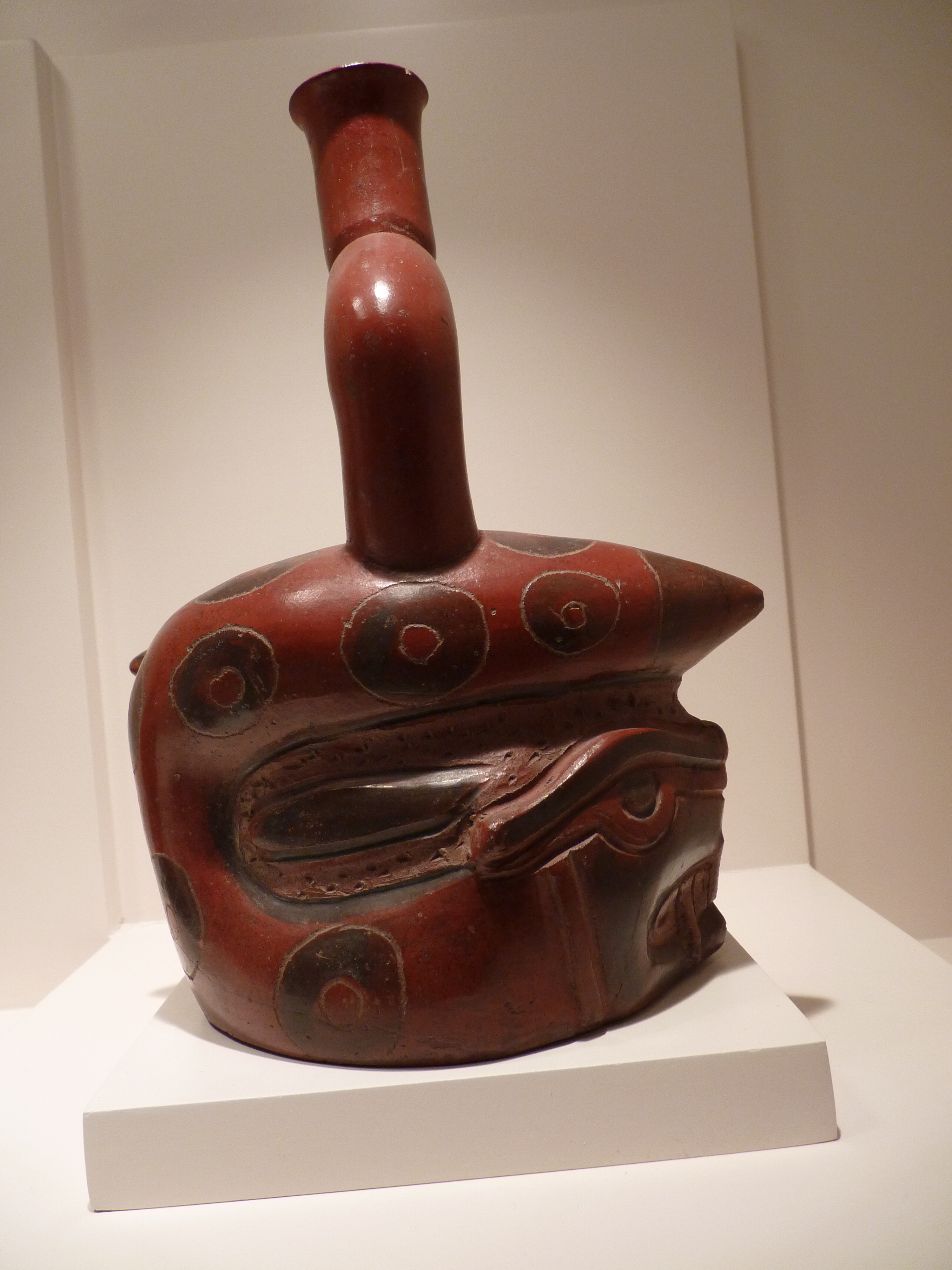
Caballo Muerto is a significant archaeological complex located in the Moche Valley of northern Peru. Occupied from 1500 BCE to 400 BCE, it is associated with the Late Bronze Age and Early Iron Age periods. The site features a series of artificial mounds and ceremonial platforms, most notably the Huaca de los Reyes, which exhibits a characteristic U-shaped layout typical of Cupisnique culture architecture. Notable for its intricate reliefs depicting animals such as snakes and felines, the site also showcases early forms of irrigation canals, reflecting the inhabitants' adaptation to the arid environment. The Cupisnique culture, prominent during this period, laid foundations for the later Moche civilization, highlighting the site's significance in the cultural and historical narrative of pre-Columbian Peru.
Gallery
Explore photographs of ancient structures, artifacts, and archaeological excavations
Historical Timeline
Journey through time and discover key events in this site's history
Initial Period occupation
1500 BCE
Huaca Herederos abandonment
1200 BCE
Cupisnique culture prominence
900 BCE
Huaca Herederos reoccupation
400 BCE
Archaeological Features
Unique architectural and cultural elements found at this historical site
Water Management Features
Religious and Ritual Structures
Artistic and Decorative Features
Environmental and Natural Features
Frequently Asked Questions
Plan Your Visit
Tours, travel arrangements, and practical information


More Sites in Peru
Paraccra (archaeological site)
Mountainous site with towers and houses.
Buena Vista, Peru
Ancient temple complex with observatory in Peru
Tunanmarca
Hilltop archaeological site with ancient structures
Taqrachullu
Rocky confluence site with cultural heritage.
Machu Pirqa
Ancient Chachapoyas wall in Peru.
Tinyaq
Inca period storehouses on a mountain