Explore the Map
El Brujo
-7.9150° N, -79.3055° E
About
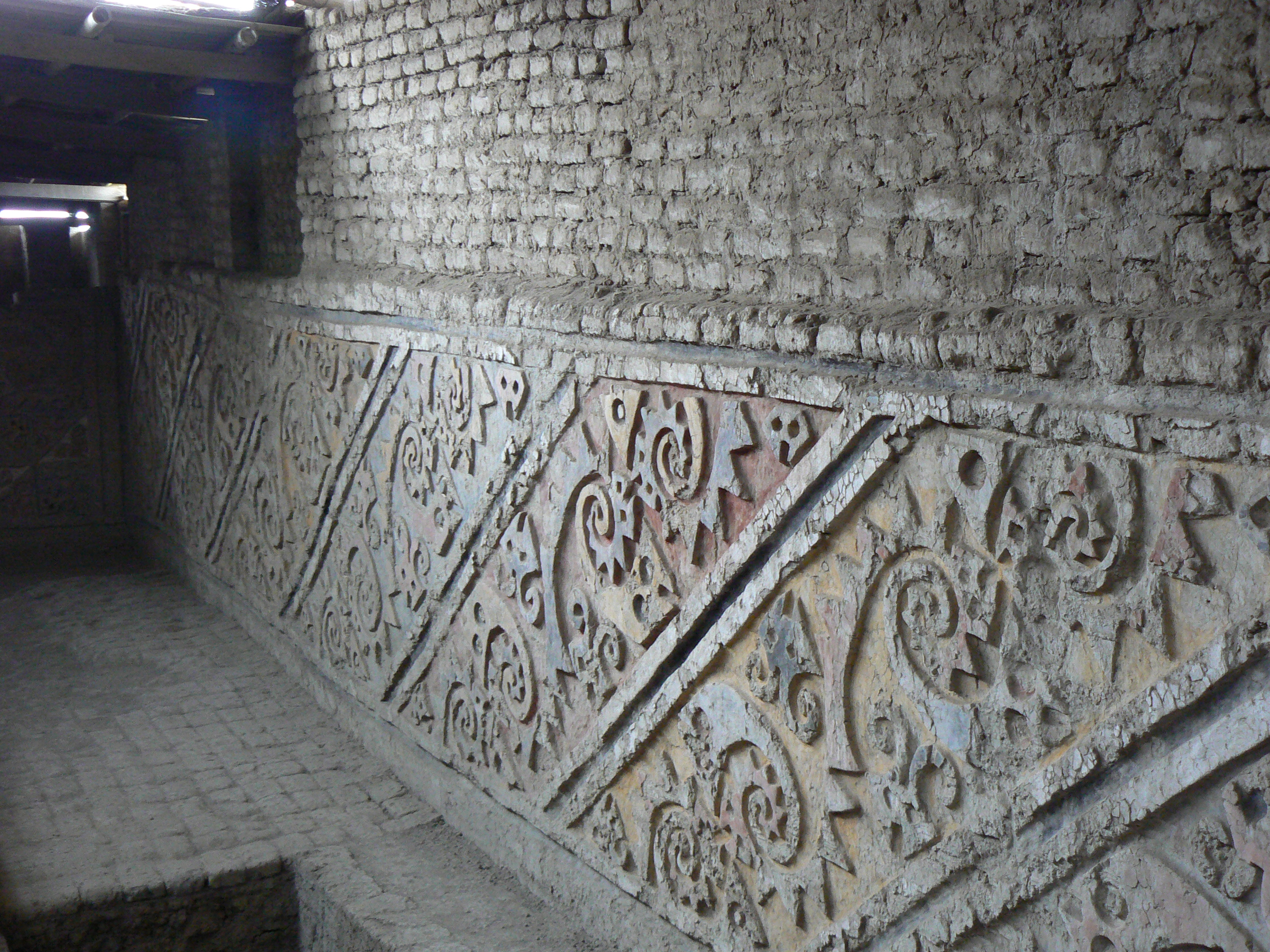
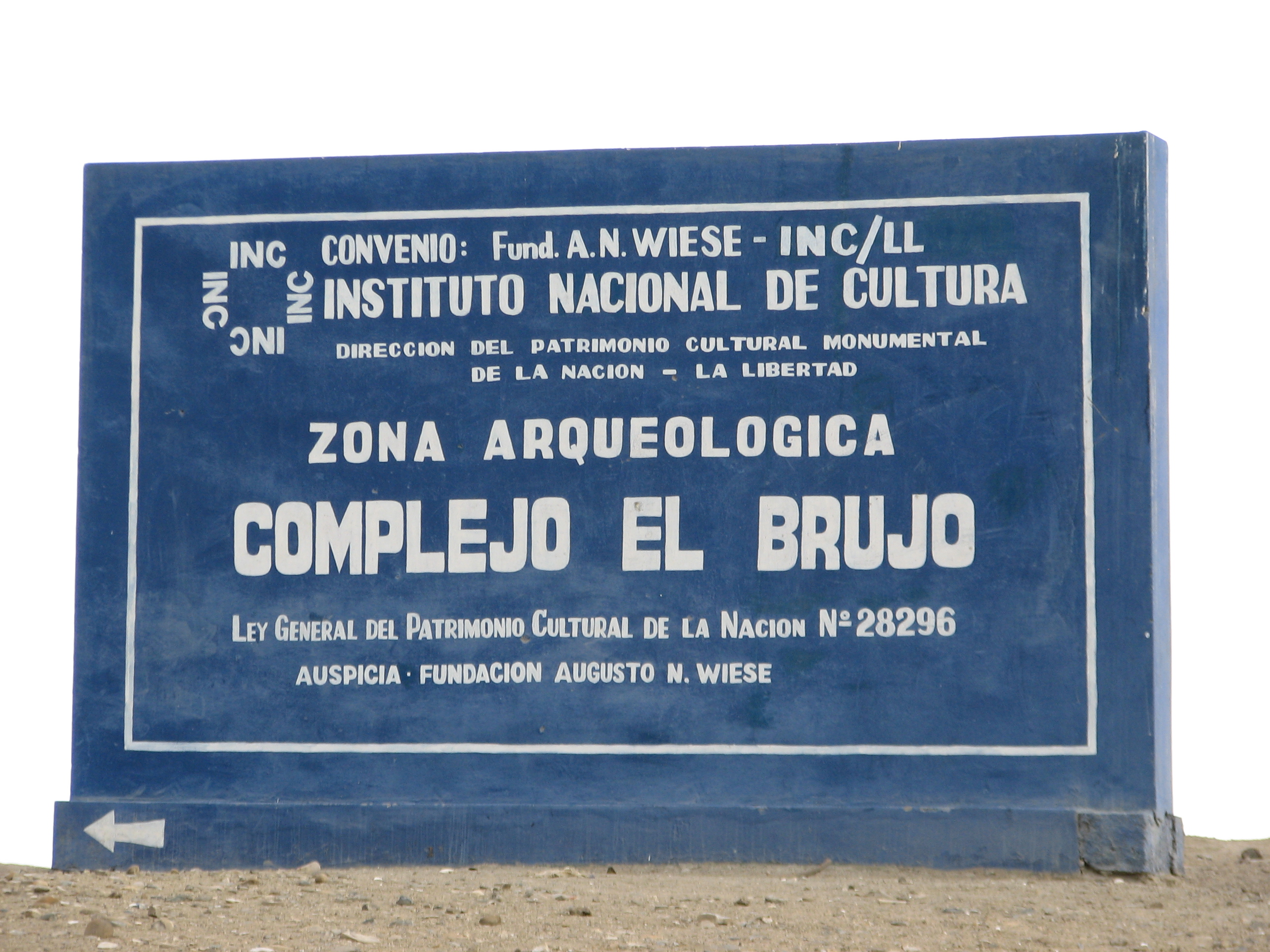
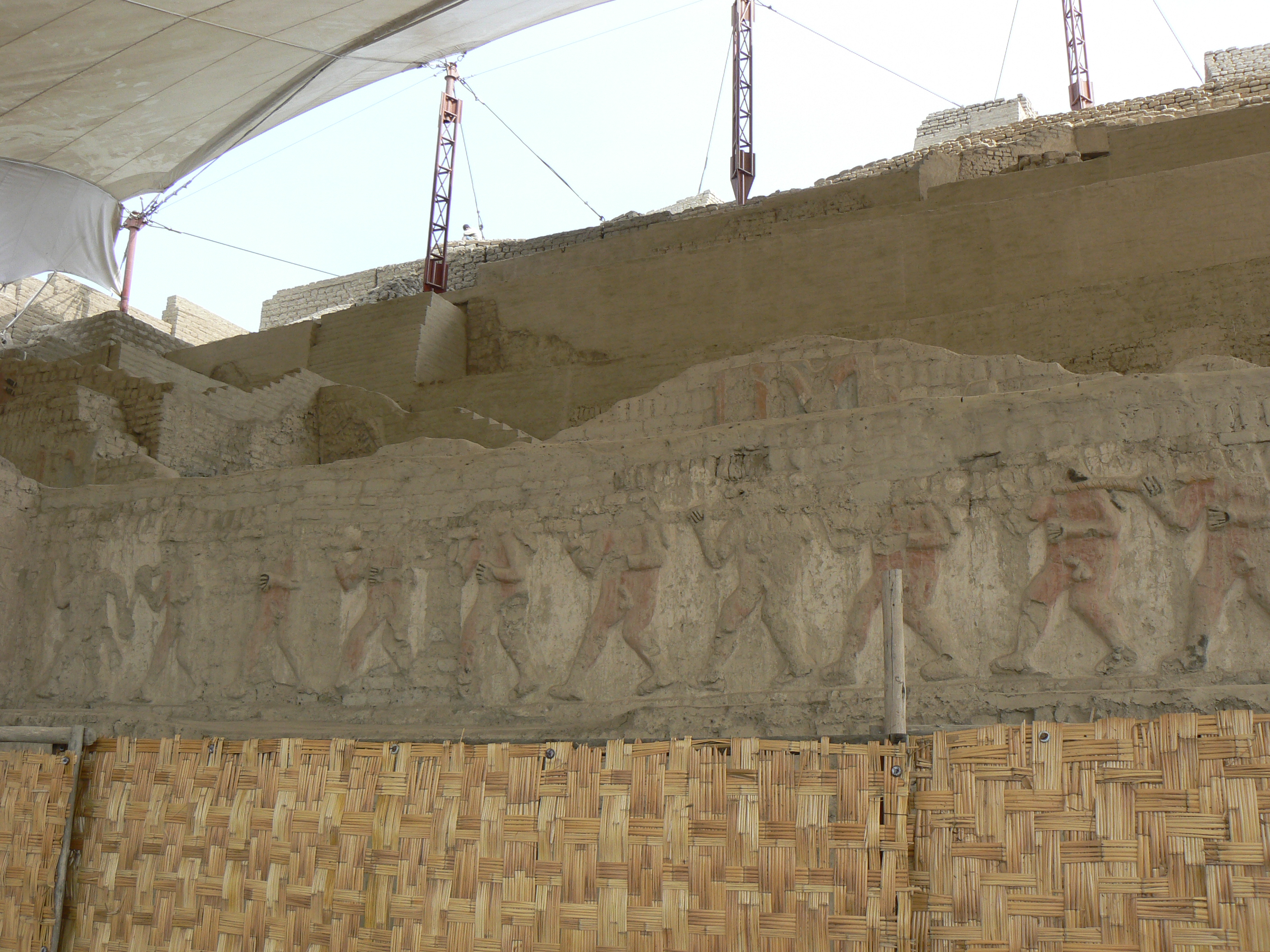
The El Brujo Archaeological Complex, located in the Chicama Valley of Peru, is a significant site showcasing the evolution of ancient cultures from preceramic times through the Moche period and beyond. The complex features monumental stepped pyramids, known as huacas, including Huaca Prieta, Huaca Cao Viejo, and Huaca Cortada, which served religious and ceremonial purposes. Notably, the site is renowned for the discovery of the Señora de Cao, providing evidence of a female ruler during the Moche era. The site's rich polychrome reliefs and murals depict the artistic achievements of the Moche culture. Although the site experienced decline post-Moche, it remained a ceremonial and funerary area through subsequent cultural phases. The discovery of a 17th-century letter reveals linguistic connections to the Quingnam language, offering insights into historical communication practices.
Gallery
Explore photographs of ancient structures, artifacts, and archaeological excavations
Historical Timeline
Journey through time and discover key events in this site's history
Moche Era Construction
200 BCE - 600 CE
Huaca Prieta Construction
Neolithic
Señora de Cao Burial
300 CE
Post-Moche Decline
600 CE
Lambayeque Culture Emergence
900 CE
17th-century Letter Discovery
1600s CE
Archaeological Features
Unique architectural and cultural elements found at this historical site
Burial and Funerary Structures
Religious and Ritual Structures
Artistic and Decorative Features
Frequently Asked Questions
Plan Your Visit
Tours, travel arrangements, and practical information


More Sites in Peru
Huaca del Sol
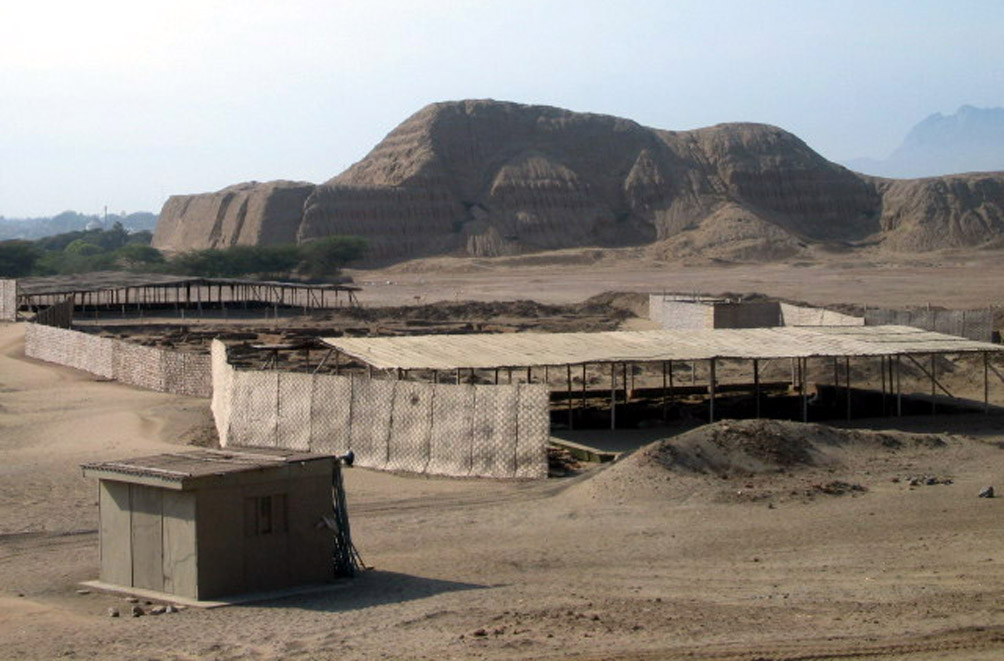
Largest pre-Columbian adobe pyramid in Peru
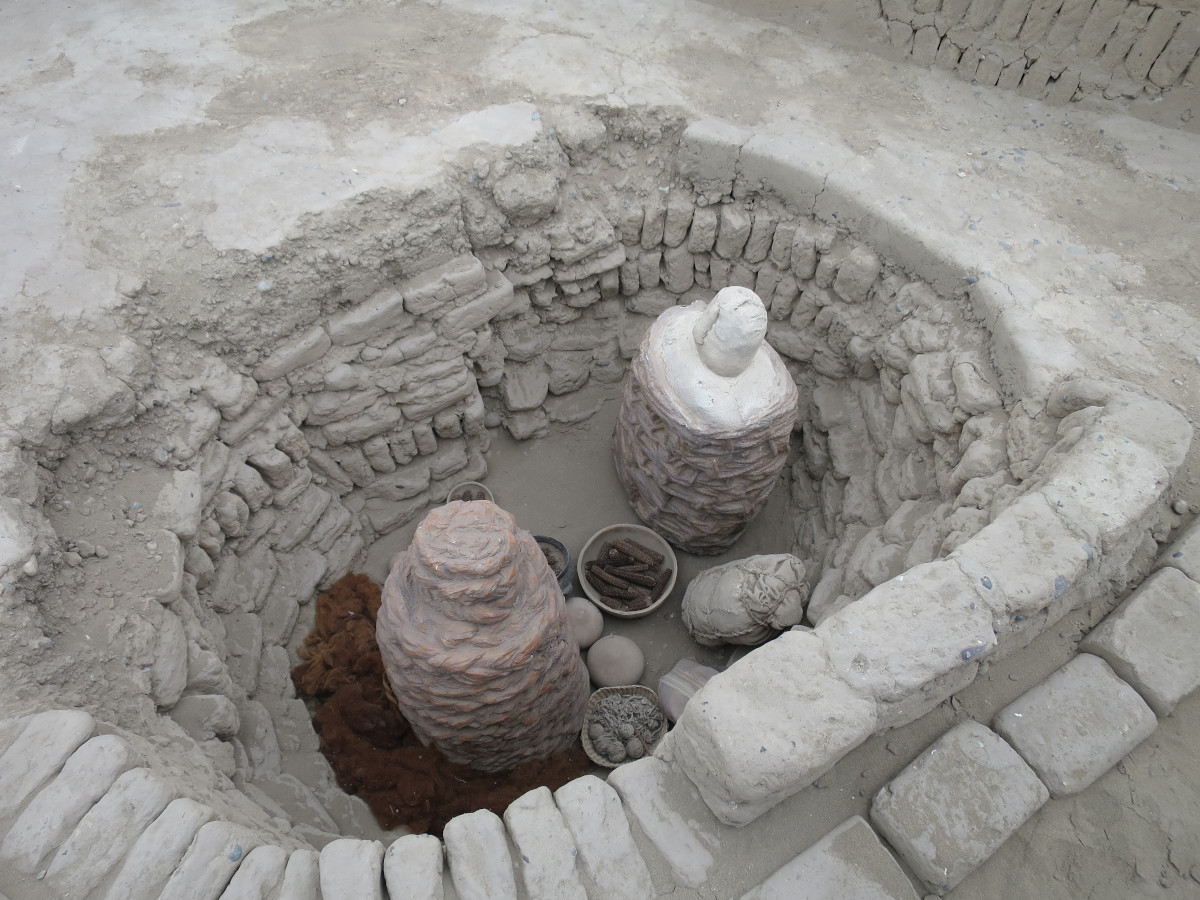
Huaca Pucllana
Adobe pyramid with ceremonial and administrative areas
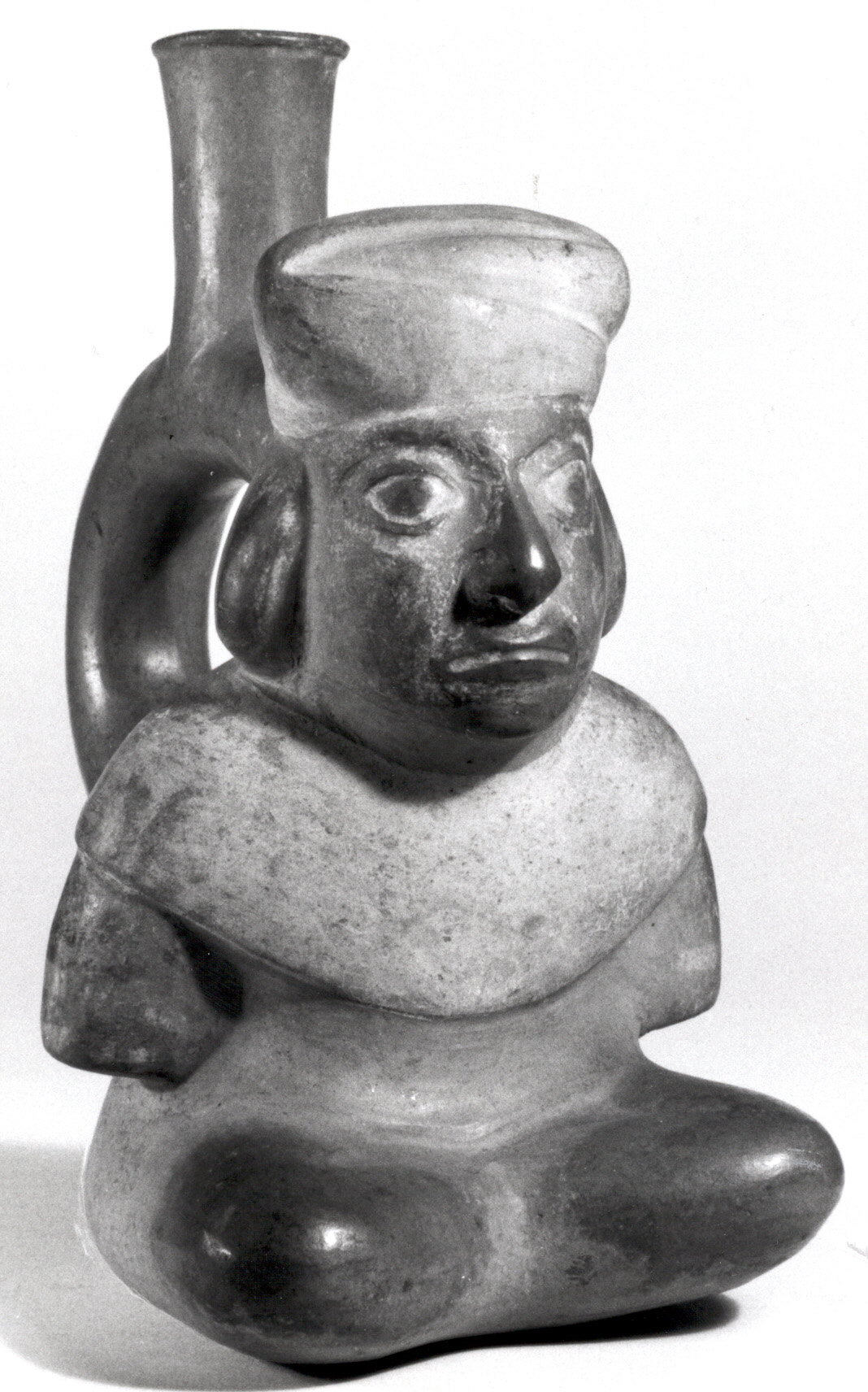
Tikra
Circular buildings and burial towers in Peru
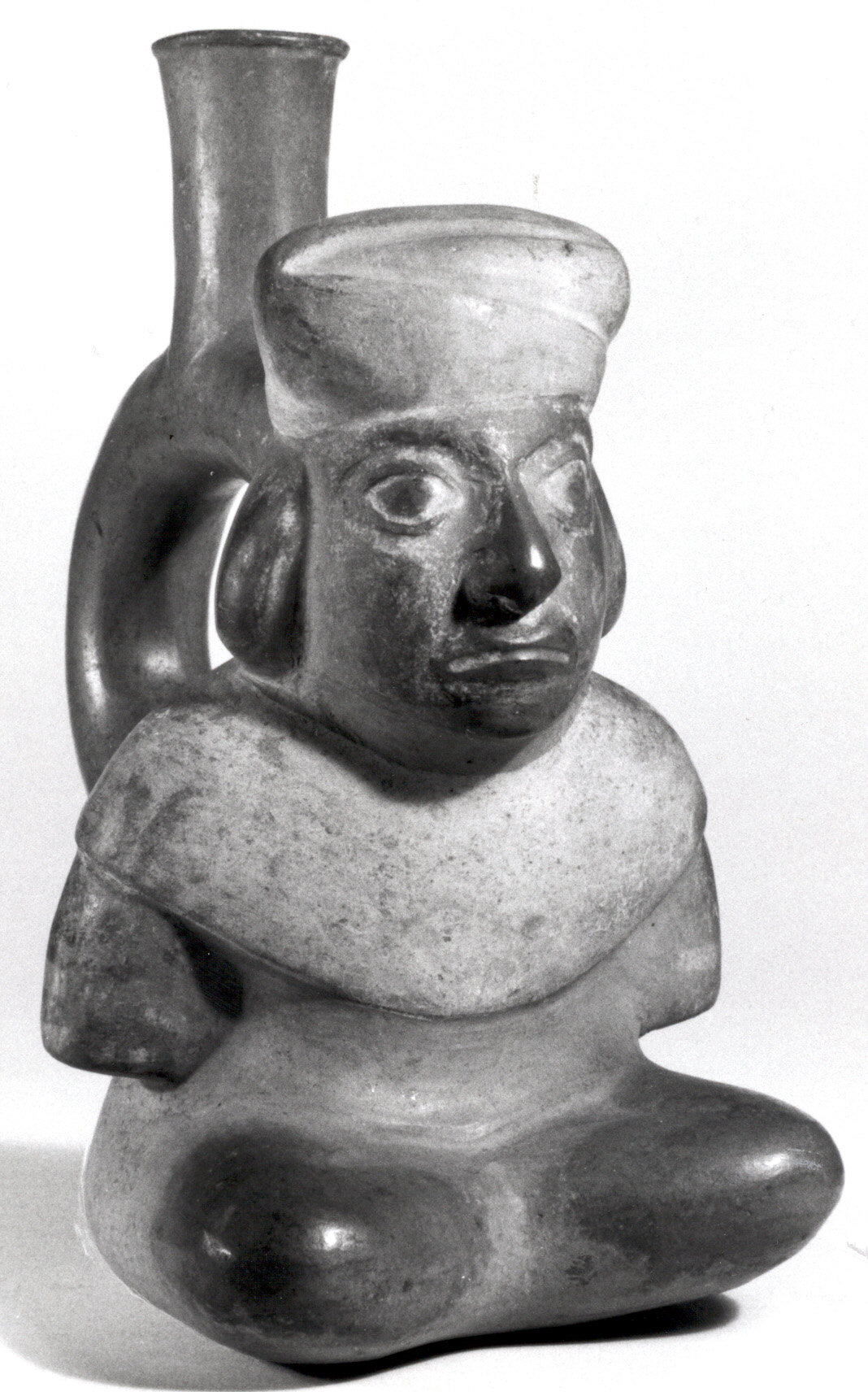
Machu Pirqa
Ancient Chachapoyas wall in Peru.
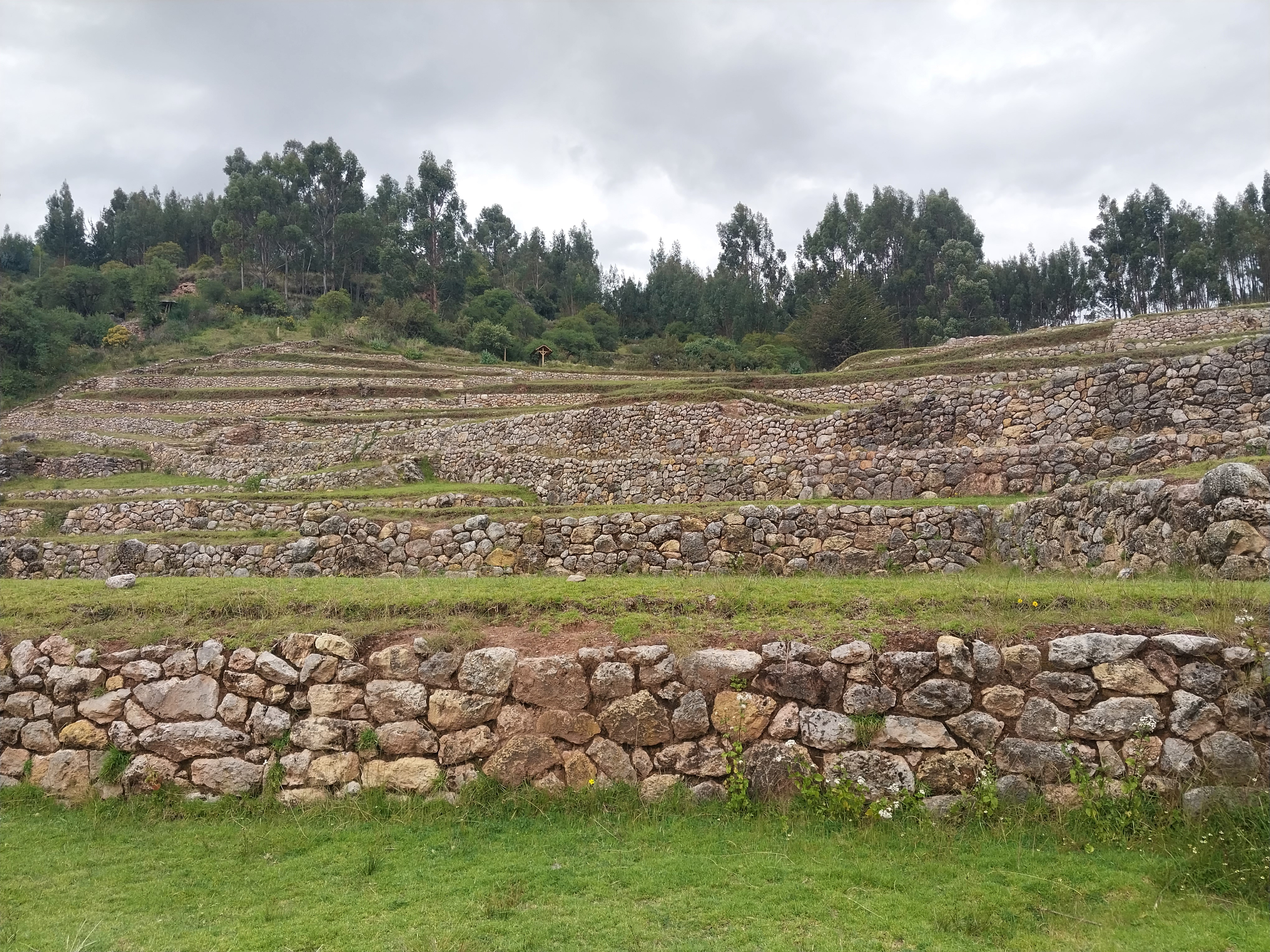
Inkilltambo
Ancient Peruvian site with cultivated terrain.
Markapukyu
Peruvian high-altitude archaeological site.