Explore the Map
Huari (archaeological site)
-13.0606° N, -74.1989° E
About
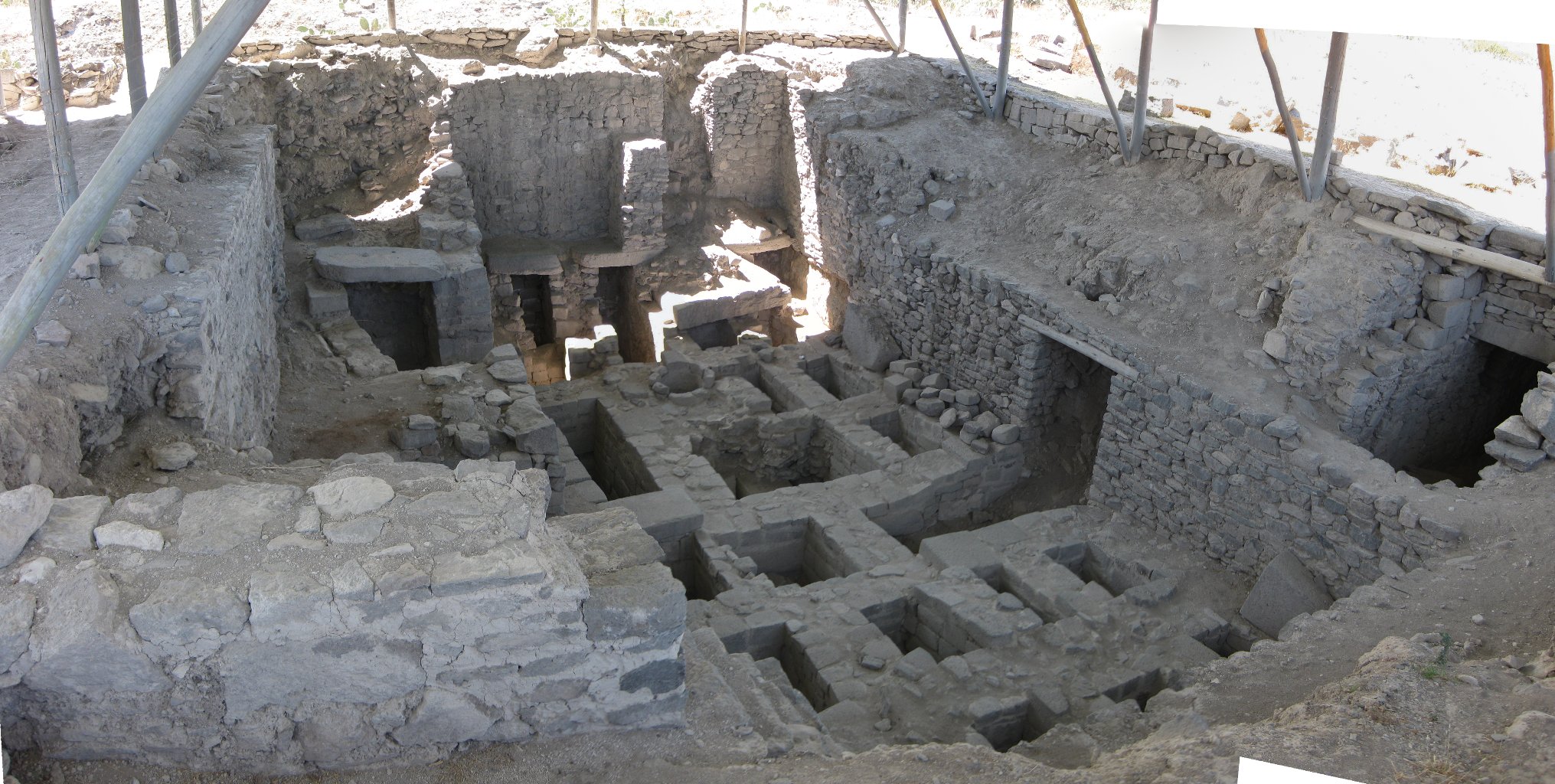
The Huari archaeological site, located near Quinua in the Ayacucho Region of Peru, stands as a testament to the Huari Empire's significant urban and cultural developments. Established around 400 CE and reaching its zenith by 550 CE, Huari became a major urban center in ancient Peru, housing approximately 70,000 inhabitants from various cultural backgrounds. This convergence of diverse peoples fostered the emergence of a new religion and a vibrant community. The site covers a sprawling 2000 hectares, featuring stone and mudbrick structures painted in red and white, with buildings serving residential, administrative, and religious functions. The site was ultimately abandoned around 1000 CE. Huari's archaeological significance lies in its role as a major urban and cultural hub during the Late Classical and Early Post-Classical periods.
Gallery
Explore photographs of ancient structures, artifacts, and archaeological excavations
Historical Timeline
Journey through time and discover key events in this site's history
Huari foundation
400 CE
Huari prominence
550 CE
Huari abandonment
1000 CE
Archaeological Features
Unique architectural and cultural elements found at this historical site
Public and Civic Structures
Religious and Ritual Structures
Domestic and Habitation Structures
Frequently Asked Questions
Plan Your Visit
Tours, travel arrangements, and practical information
More Sites in Peru
Huaca Pucllana
Adobe pyramid with ceremonial and administrative areas
Huaca del Sol
Largest pre-Columbian adobe pyramid in Peru
Tinyaq
Inca period storehouses on a mountain
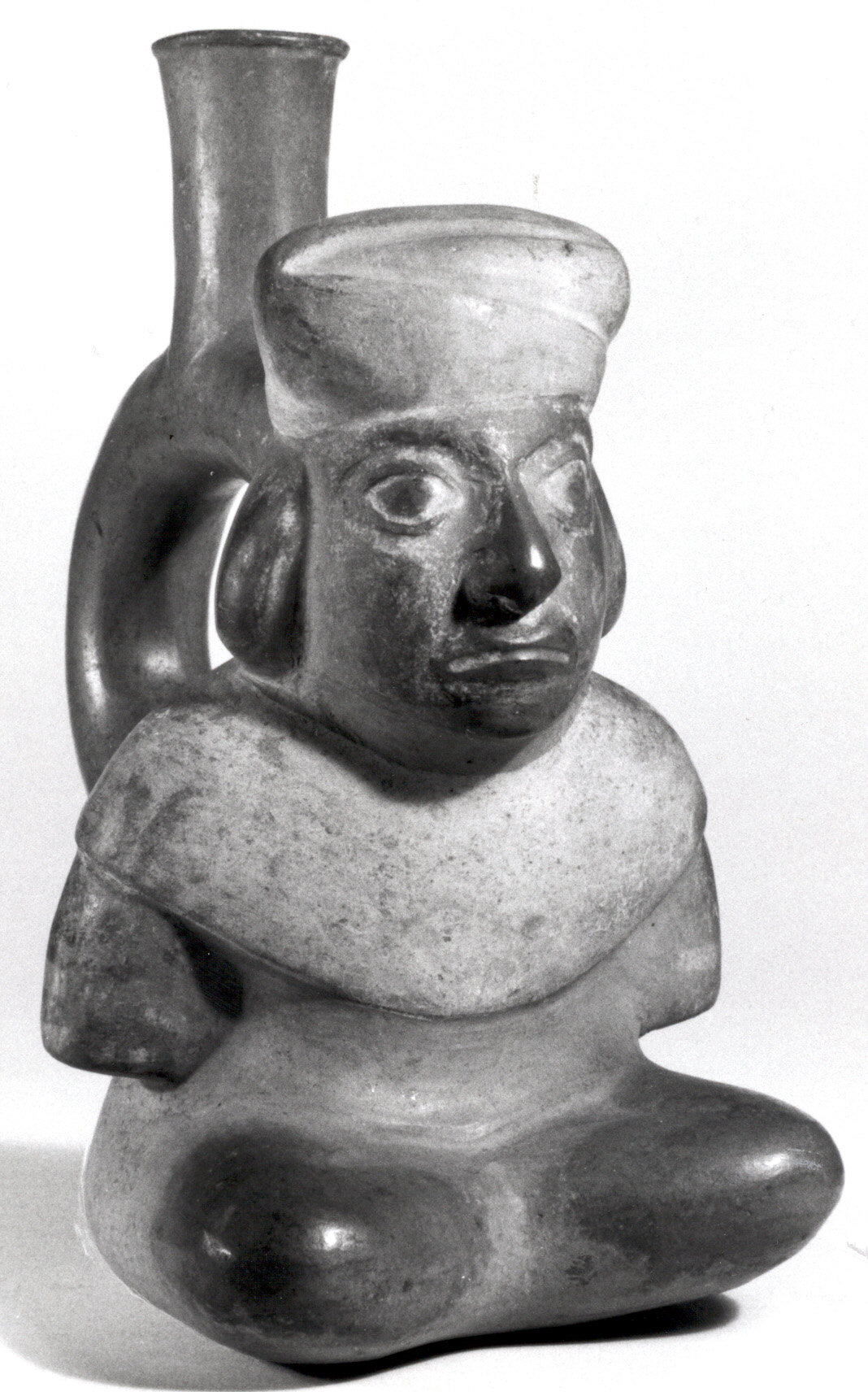
Machu Pirqa
Ancient Chachapoyas wall in Peru.
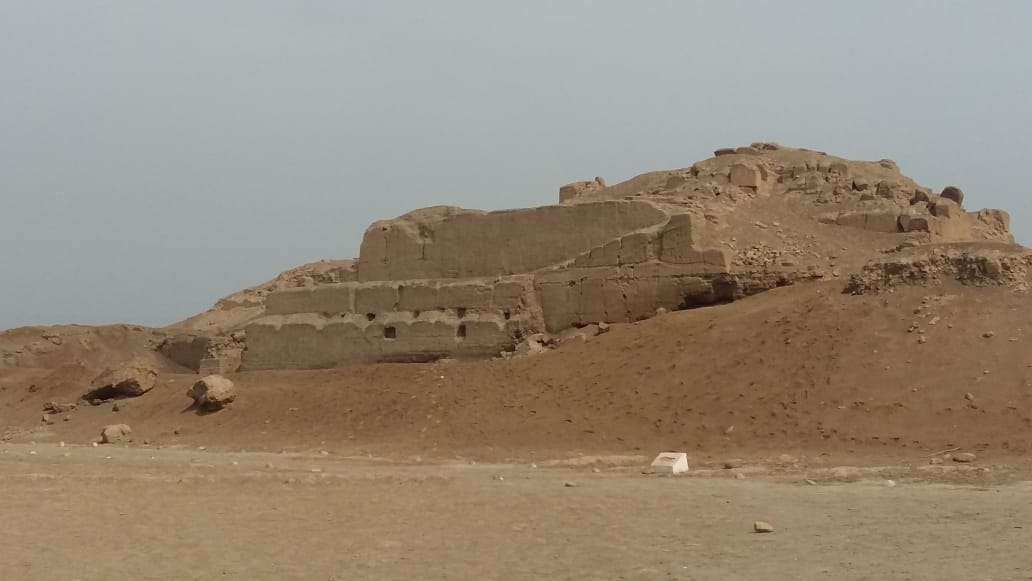
La Centinela
Adobe pyramids in Chincha Valley, Peru.
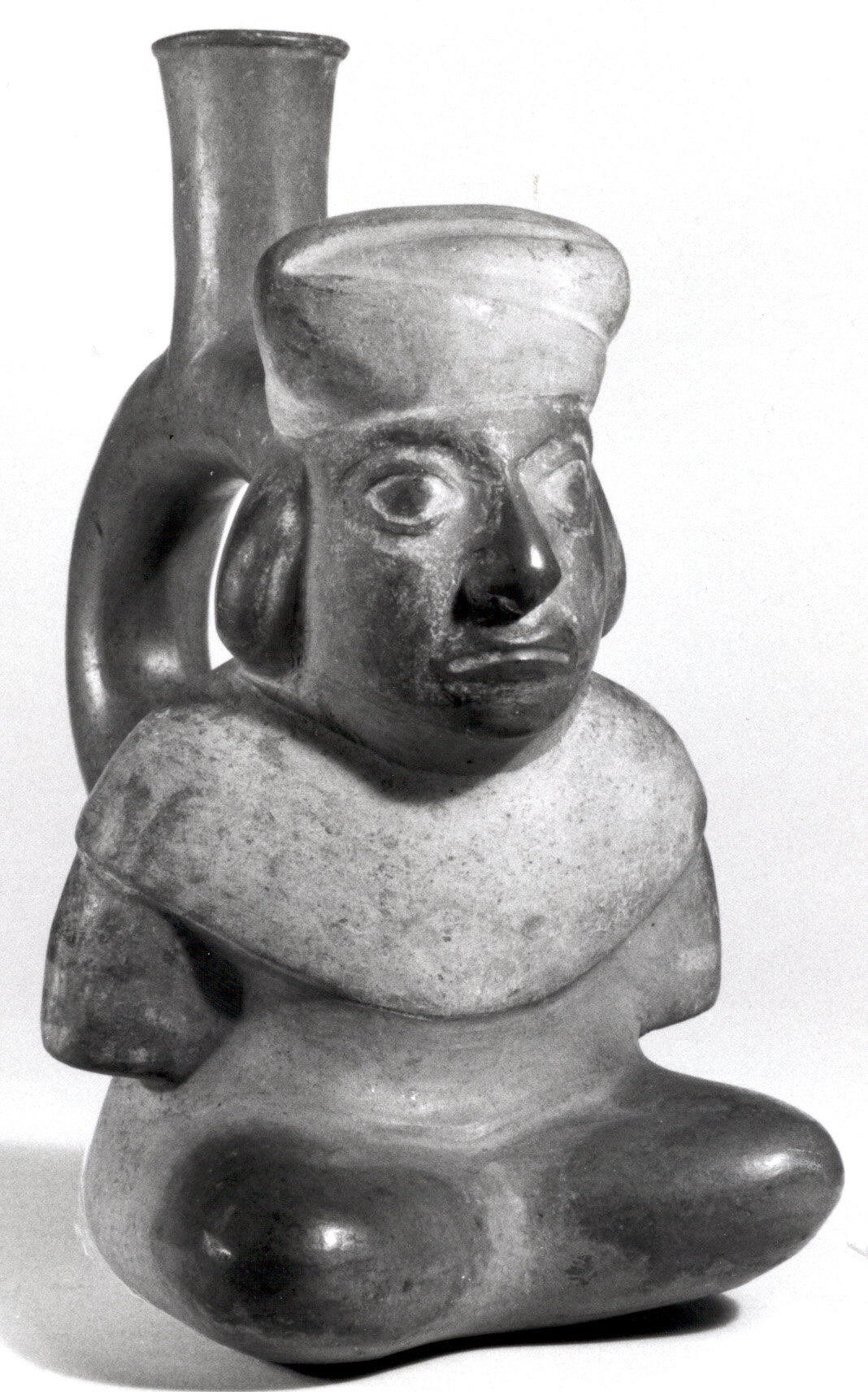
Markapukyu
Peruvian high-altitude archaeological site.