Explore the Map
Kotosh
-9.9308° N, -76.2794° E
About
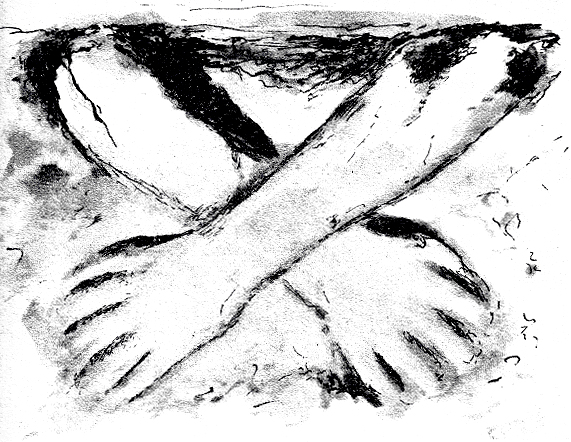
Kotosh is an archaeological site located near Huánuco, Peru, notable for its continuous occupation over six distinct cultural periods. Significant for its preceramic Mito period, the site showcases the construction of the Temple of the Crossed Hands, an iconic symbol of Kotosh's religious and ritual activities. The subsequent Wairajirca period marks the emergence of pottery, characterized by polished brown and black styles with incised and painted designs. The Kotosh period introduces maize cultivation and exhibits strong cultural links with the Chavin culture, particularly in ceramic styles. Kotosh provides valuable insights into early Andean civilizations, illustrating the development of agriculture, religious practices, and pottery, crucial for understanding the region's pre-Columbian history.
Gallery
Explore photographs of ancient structures, artifacts, and archaeological excavations
Historical Timeline
Journey through time and discover key events in this site's history
Mito Period: Temple construction
1750 BCE
Wairajirca Period: Pottery emergence
1750 BCE
Kotosh Period: Maize cultivation
1150 BCE
Archaeological Features
Unique architectural and cultural elements found at this historical site
Religious and Ritual Structures
Artistic and Decorative Features
Frequently Asked Questions
Plan Your Visit
Tours, travel arrangements, and practical information
More Sites in Peru
Buena Vista, Peru
Ancient temple complex with observatory in Peru
Paraccra (archaeological site)
Mountainous site with towers and houses.
Kuntuyuq
Mountain site with rock paintings
Tinyaq
Inca period storehouses on a mountain
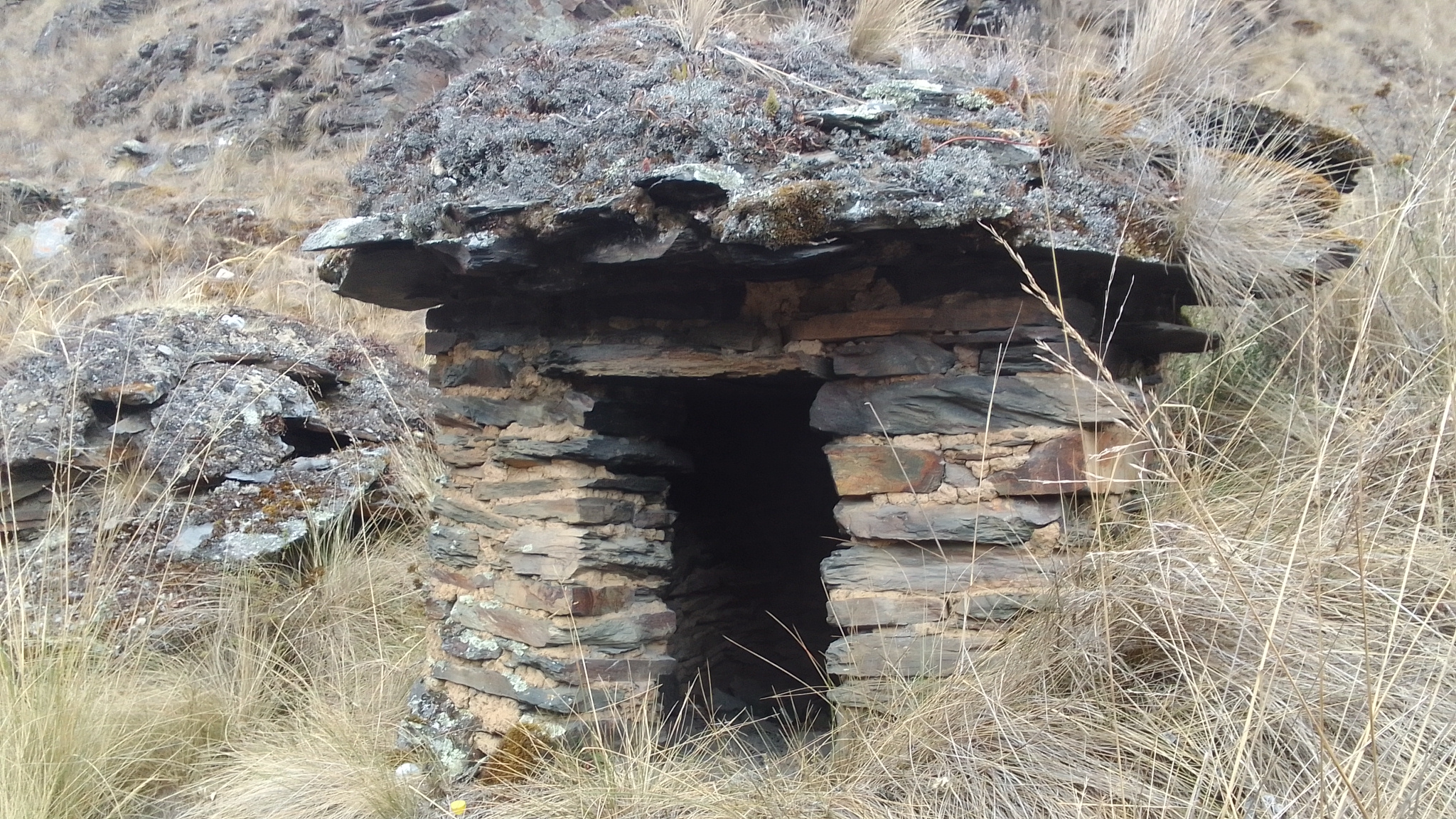
Qulu Qulu
Complex of humps in Puno Region
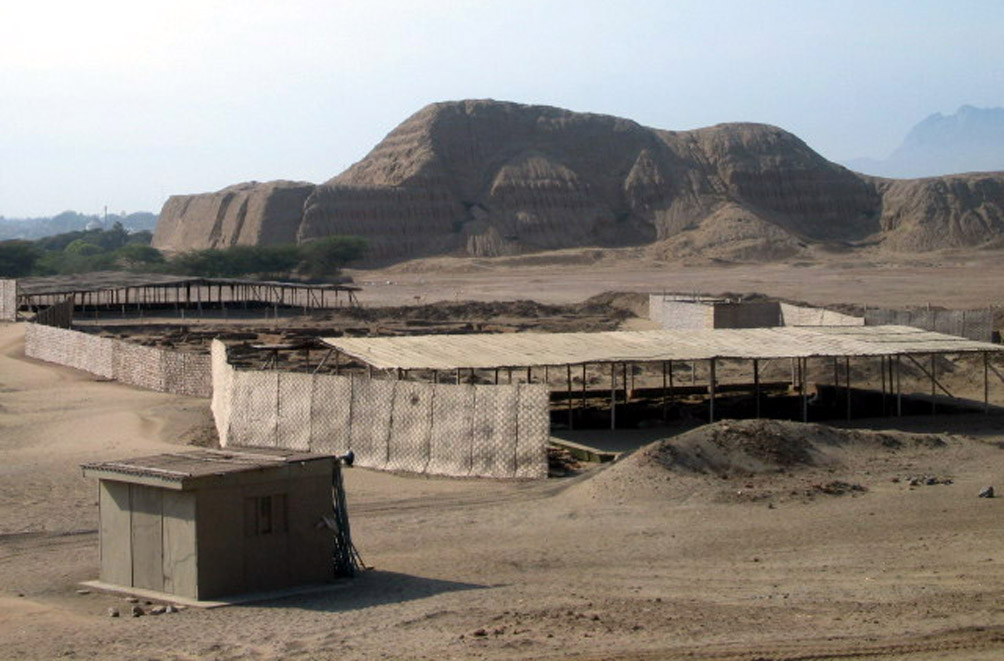
Huaca del Sol
Largest pre-Columbian adobe pyramid in Peru