Explore the Map
Pampa Grande
-6.7622° N, -79.4743° E
About
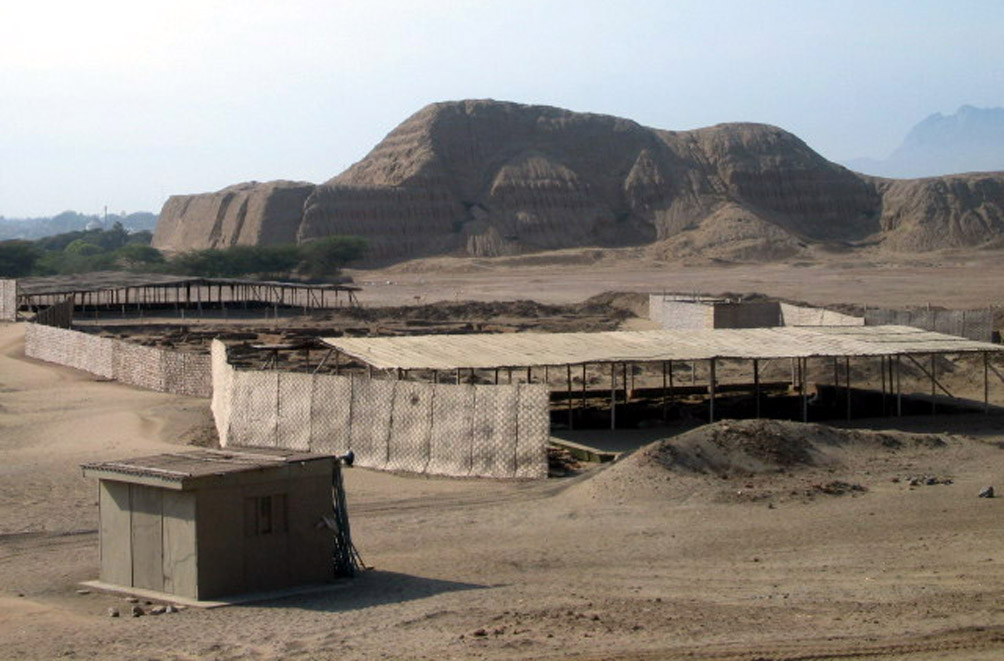
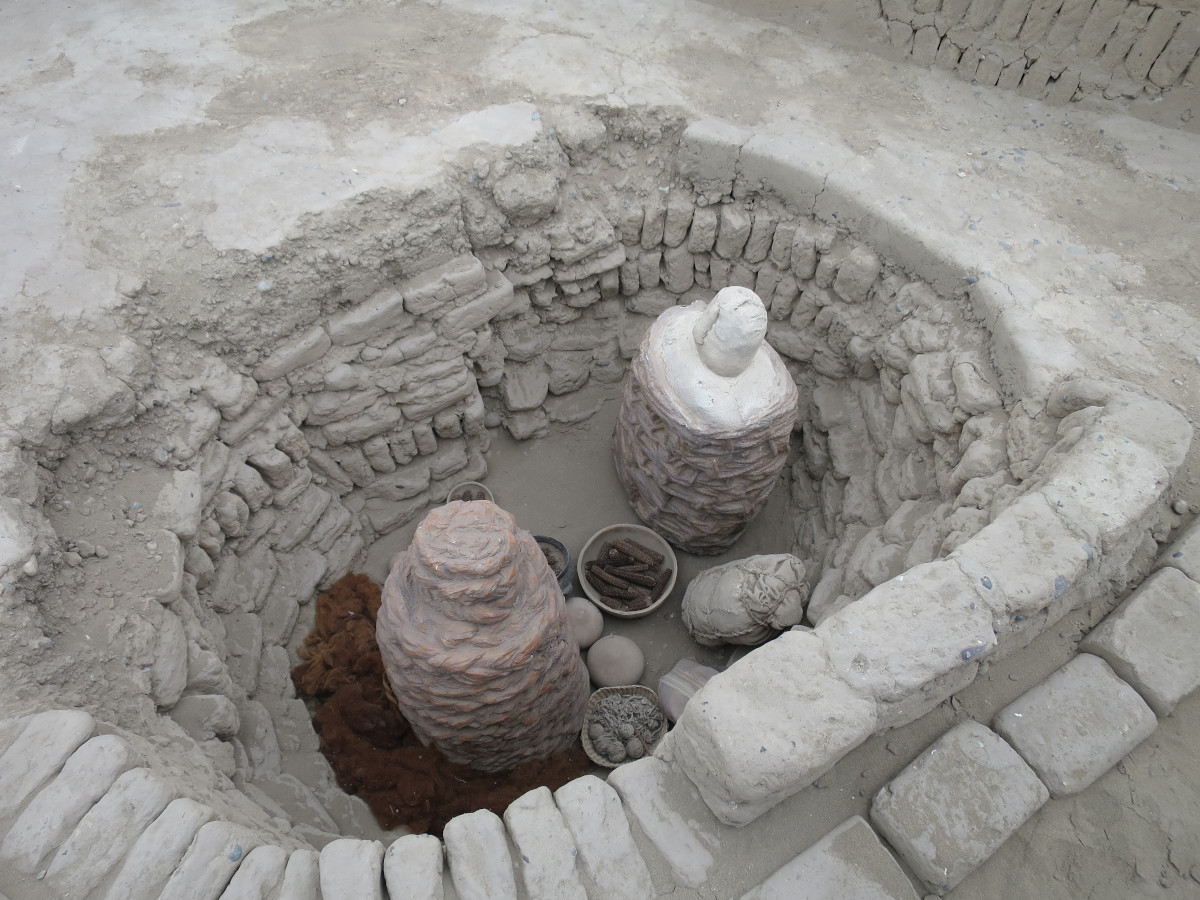
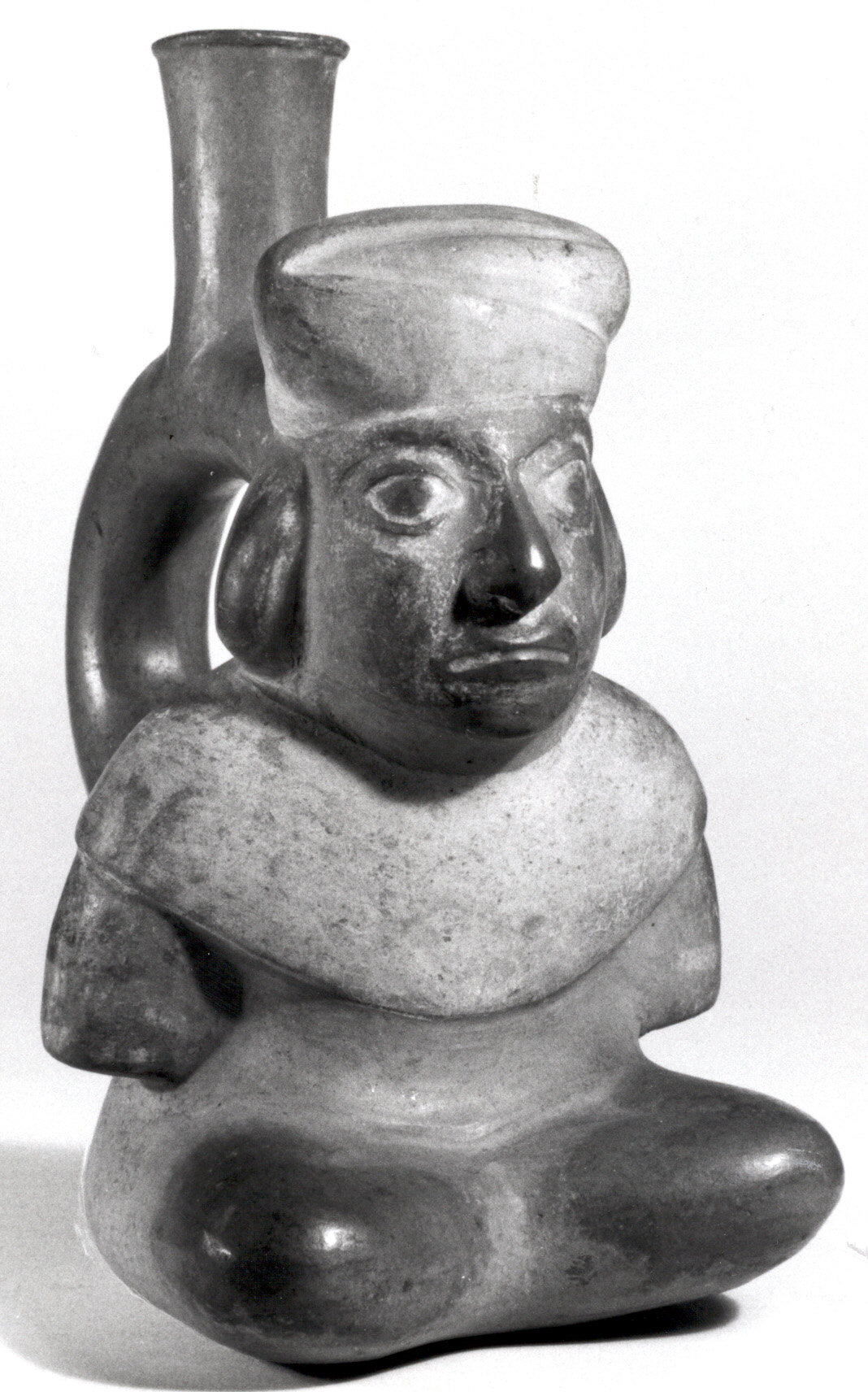
Pampa Grande is an archaeological site located in the Lambayeque Valley of northern Peru, significant for its association with the Cupisnique, Chavin, and Moche cultures. The site functioned as a major Moche regional capital during the 7th century CE, featuring extensive urban development and monumental architecture, including the grand ceremonial platform known as Huaca Grande. The city was a hub of agricultural innovation, with sophisticated irrigation systems supporting its economy. Archaeological findings include various domestic, ceremonial, and industrial structures, pointing to a complex society with distinct social hierarchies and specialized production. Artifacts such as ceramics and murals suggest a rich cultural and religious life, with iconography reflecting Moche deities and practices. The site was abandoned around 700 CE, possibly due to environmental or social upheaval.
Historical Timeline
Journey through time and discover key events in this site's history
Early Horizon Period
600 BCE
Moche Capital
600 CE
Late Moche Construction
600 CE
Abandonment
700 CE
Archaeological Features
Unique architectural and cultural elements found at this historical site
Storage Structures
Water Management Features
Burial and Funerary Structures
Industrial and Craft Structures
Religious and Ritual Structures
Artistic and Decorative Features
Agricultural and Land Use Features
Domestic and Habitation Structures
Frequently Asked Questions
Plan Your Visit
Tours, travel arrangements, and practical information
More Sites in Peru
Huaca del Sol
Largest pre-Columbian adobe pyramid in Peru
Huaca Pucllana
Adobe pyramid with ceremonial and administrative areas
Machu Pirqa
Ancient Chachapoyas wall in Peru.
Tinyaq
Inca period storehouses on a mountain
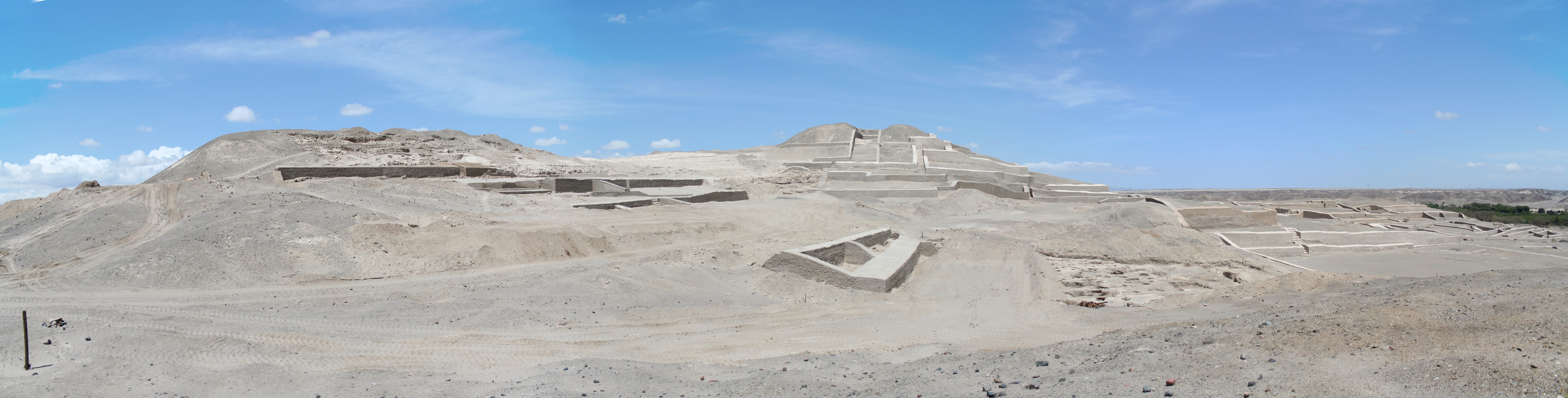
Cahuachi
Nasca ceremonial center with adobe mounds
Tikra
Circular buildings and burial towers in Peru