Explore the Map
Wichqana
-13.1333° N, -74.2111° E
About
Wichqana, located in the Ayacucho Region of Peru, is an archaeological site active during the Kishka Pata Period, around 1200-800 BCE. The site served as a ceremonial center on the central highlands of Peru, notable for its U-shaped arrangement of stones and Chavinoid cultural influences. The presence of semicircular temple structures on artificial mounds suggests the site was used for religious activities, possibly involving priestly figures. The discovery of five skulls of women, accompanied by cobblestones in semi-circles, indicates the importance of sacrificial practices. Pottery found at the site is basic, with little decoration. The economy of the Wichqana people was based on agriculture, pastoralism, and hunting, with trade initially focused on the northern territory before shifting towards coastal areas.
Gallery
Explore photographs of ancient structures, artifacts, and archaeological excavations
Historical Timeline
Journey through time and discover key events in this site's history
Ceremonial center construction
1200 BCE
Sacrificial practices
1100 BCE
Archaeological Features
Unique architectural and cultural elements found at this historical site
Burial and Funerary Structures
Religious and Ritual Structures
Environmental and Natural Features
Frequently Asked Questions
Plan Your Visit
Tours, travel arrangements, and practical information
More Sites in Peru
Paraccra (archaeological site)
Mountainous site with towers and houses.
Buena Vista, Peru
Ancient temple complex with observatory in Peru
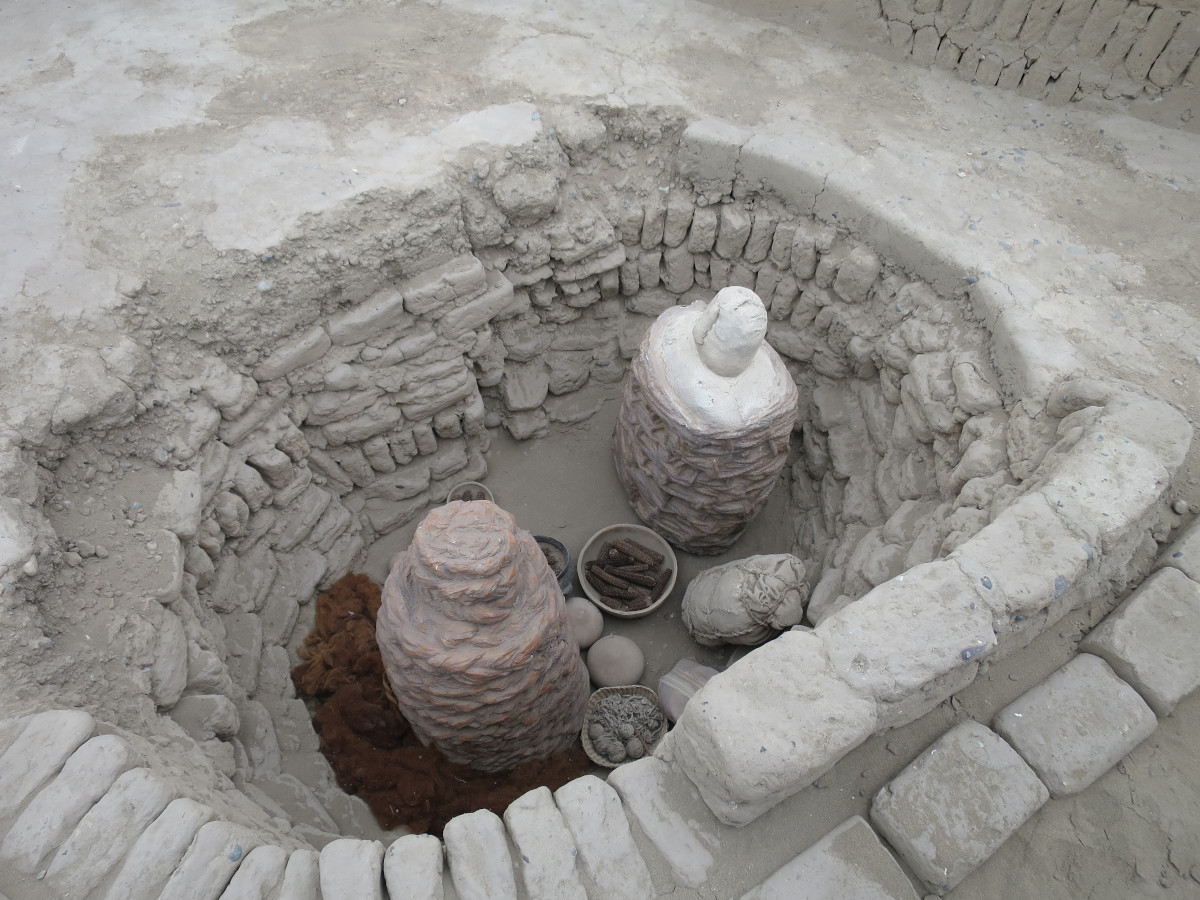
Huaca Pucllana
Adobe pyramid with ceremonial and administrative areas
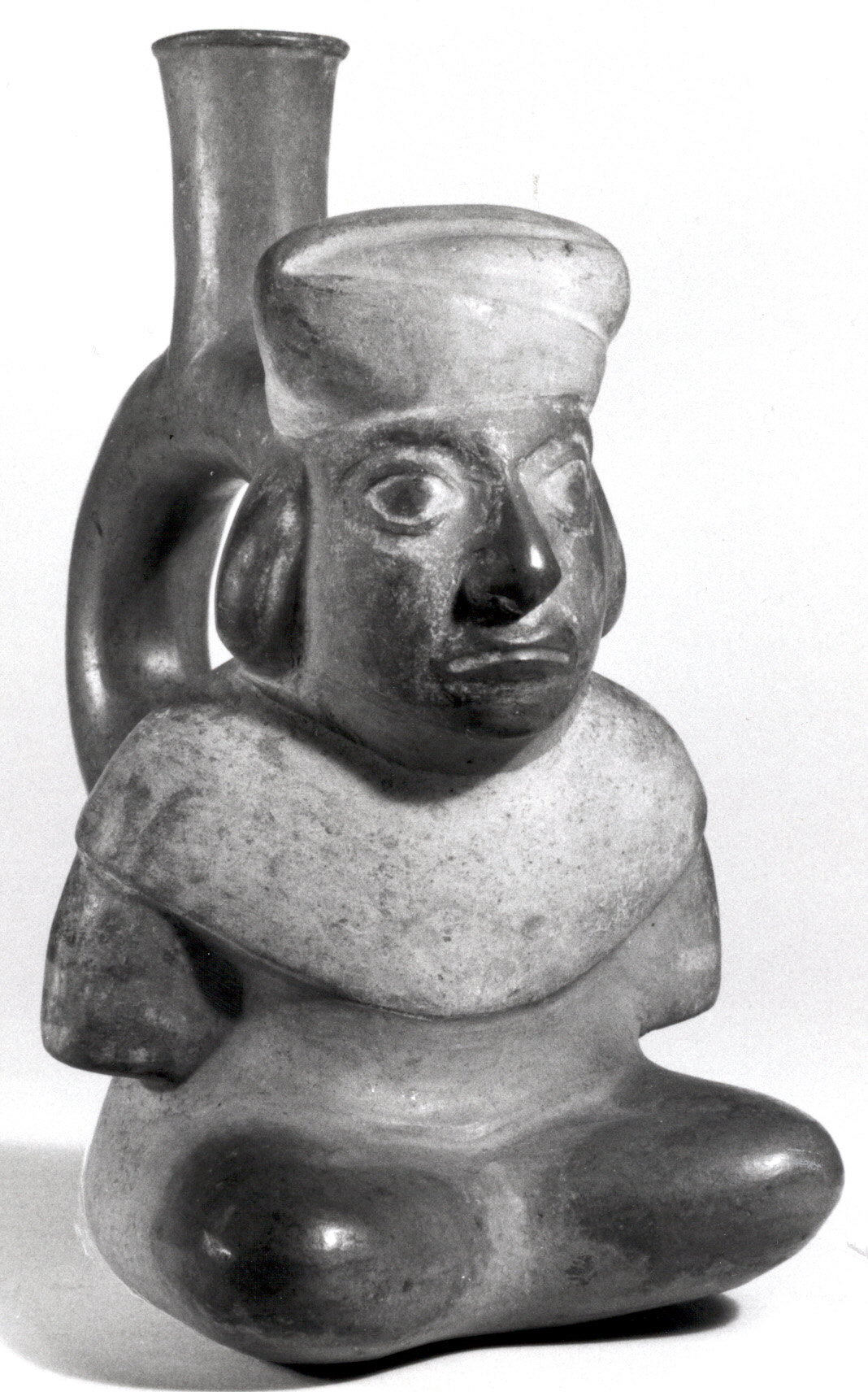
Taqrachullu
Rocky confluence site with cultural heritage.
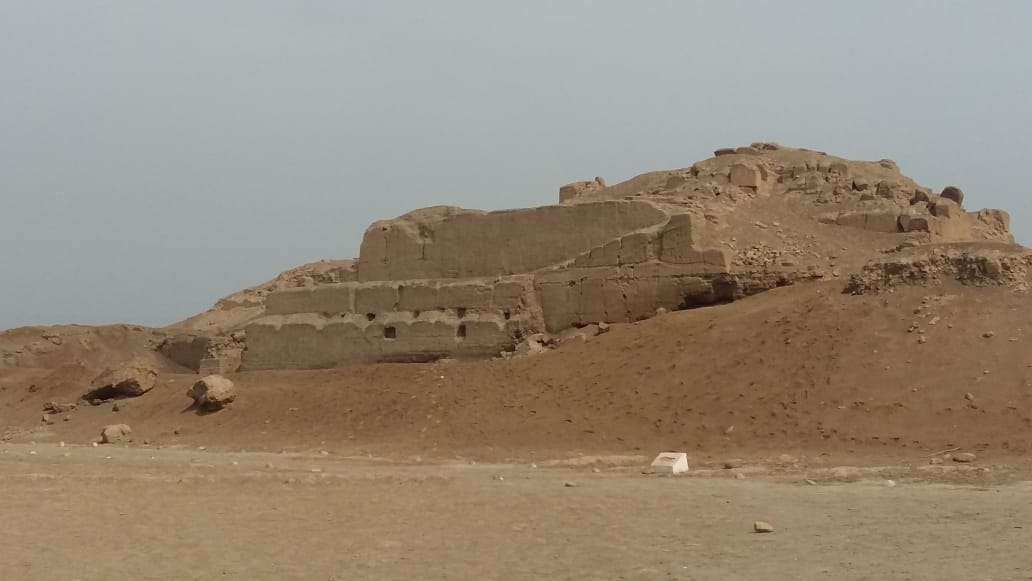
La Centinela
Adobe pyramids in Chincha Valley, Peru.
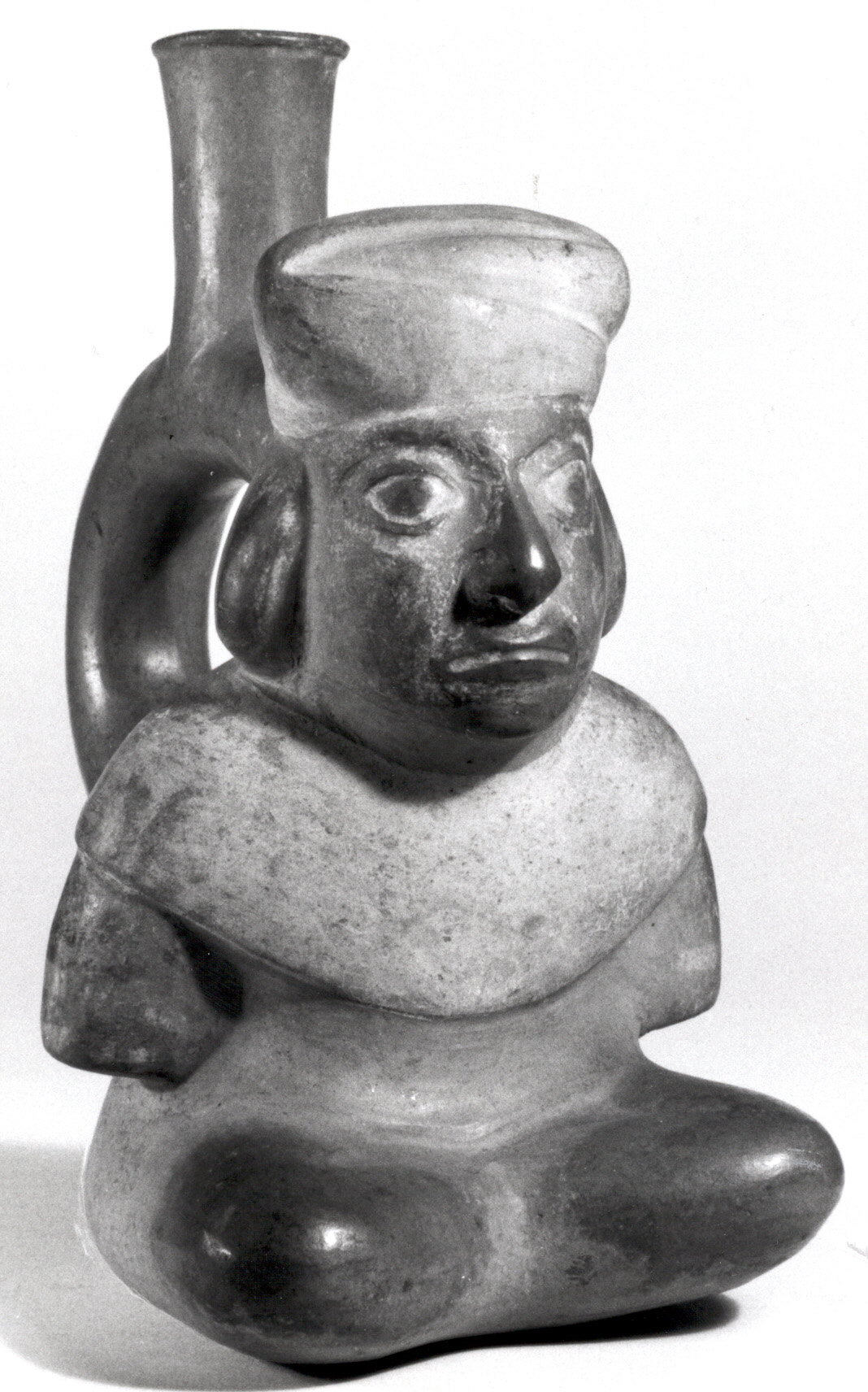
Tikra
Circular buildings and burial towers in Peru