Time Periods
Paleolithic
Mesolithic
Neolithic
Chalcolithic
Bronze Age
Iron Age
Classical Period
Post-Classical Period
Early Modern Period
Industrial Period
Contemporary Period
Time Periods
Paleolithic
Mesolithic
Neolithic
Chalcolithic
Bronze Age
Iron Age
Classical Period
Post-Classical Period
Early Modern Period
Industrial Period
Contemporary Period
Location
About
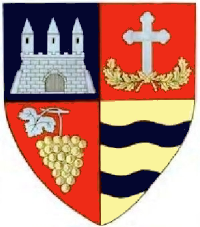
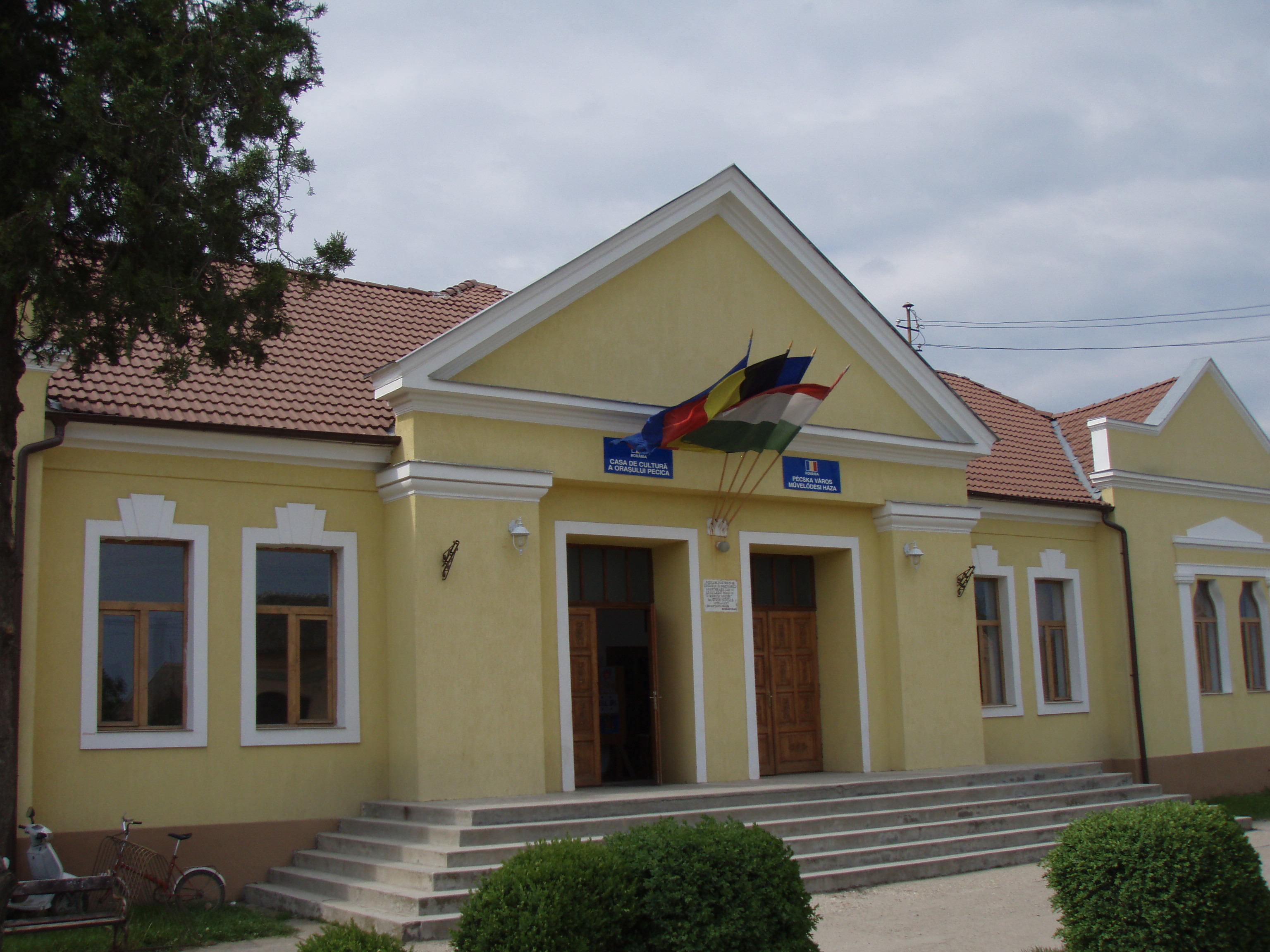
Pecica, located in Arad County, western Romania, is an archaeological site of significant historical importance. Originally known as Ziridava, it was a Dacian fortress during the Late Iron Age, reflecting its strategic importance in ancient times. Over the centuries, the site witnessed various cultural influences, including Ottoman, Habsburg, and Hungarian, before becoming part of Romania. This rich tapestry of historical layers is evidenced by the Periam-Pecica culture, named for the region's archaeological findings. The town's contemporary features include its Roman Catholic Church and Pecica Cultural Center, providing insight into its ongoing development. Pecica's archaeological significance lies in its ability to offer insights into the Dacian period and subsequent cultural transformations, making it a valuable site for understanding the region's complex history.
Gallery
Explore photographs of ancient structures, artifacts, and archaeological excavations at Pecica

Archaeological Features
Explore the unique architectural and cultural elements found at this historical site
Defensive Structures
Public and Civic Structures
Religious and Ritual Structures
Historical Timeline
Journey through time and discover key events in this site's archaeological history
Plan Your Visit
Details
- Country
- Romania
- Source
- Wikipedia
More Sites in Romania
Isaccea
Ancient settlement with Roman and Byzantine influences
Limanu
Village with historical cave site
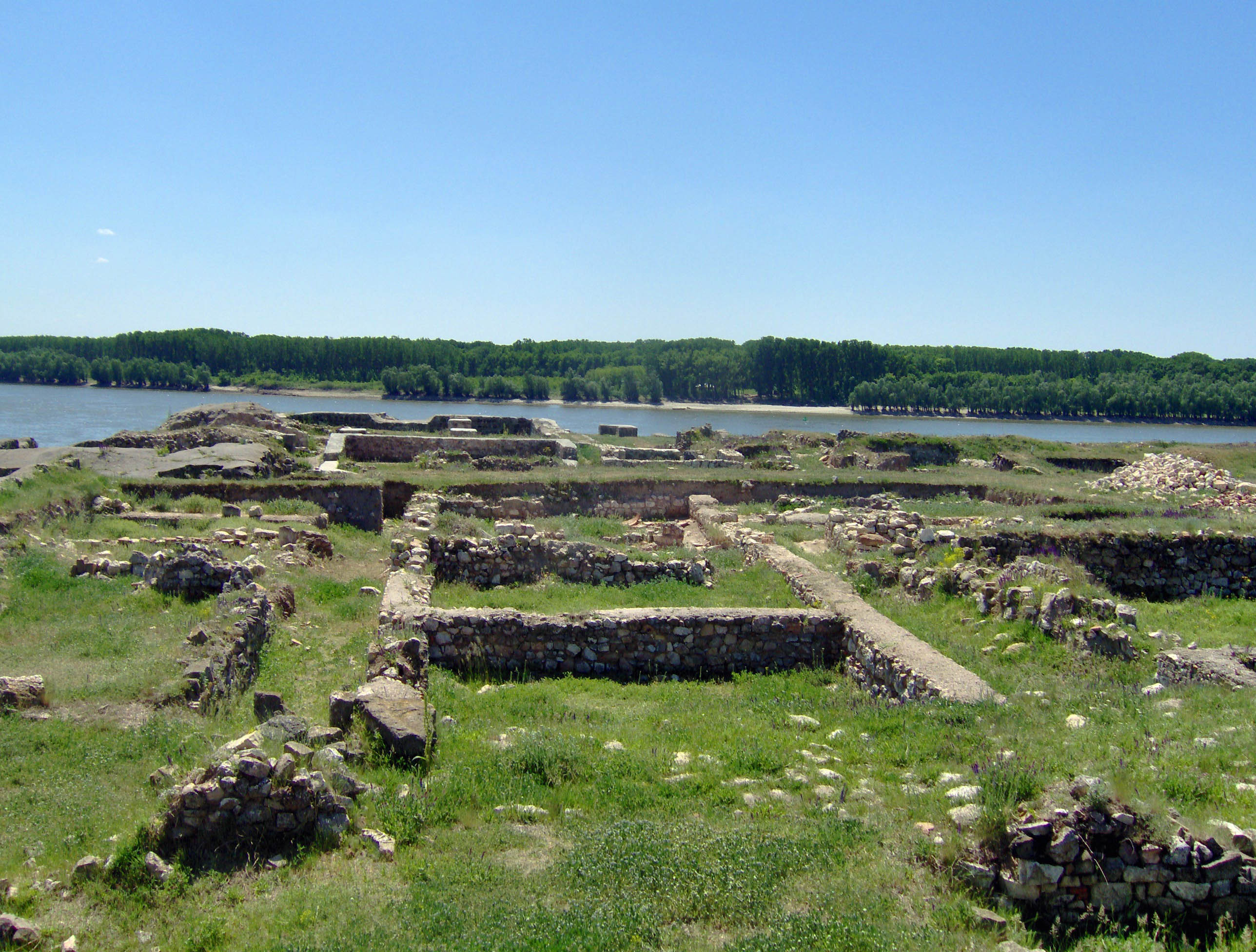
Topalu
Roman and Geto-Dacian fortified settlement
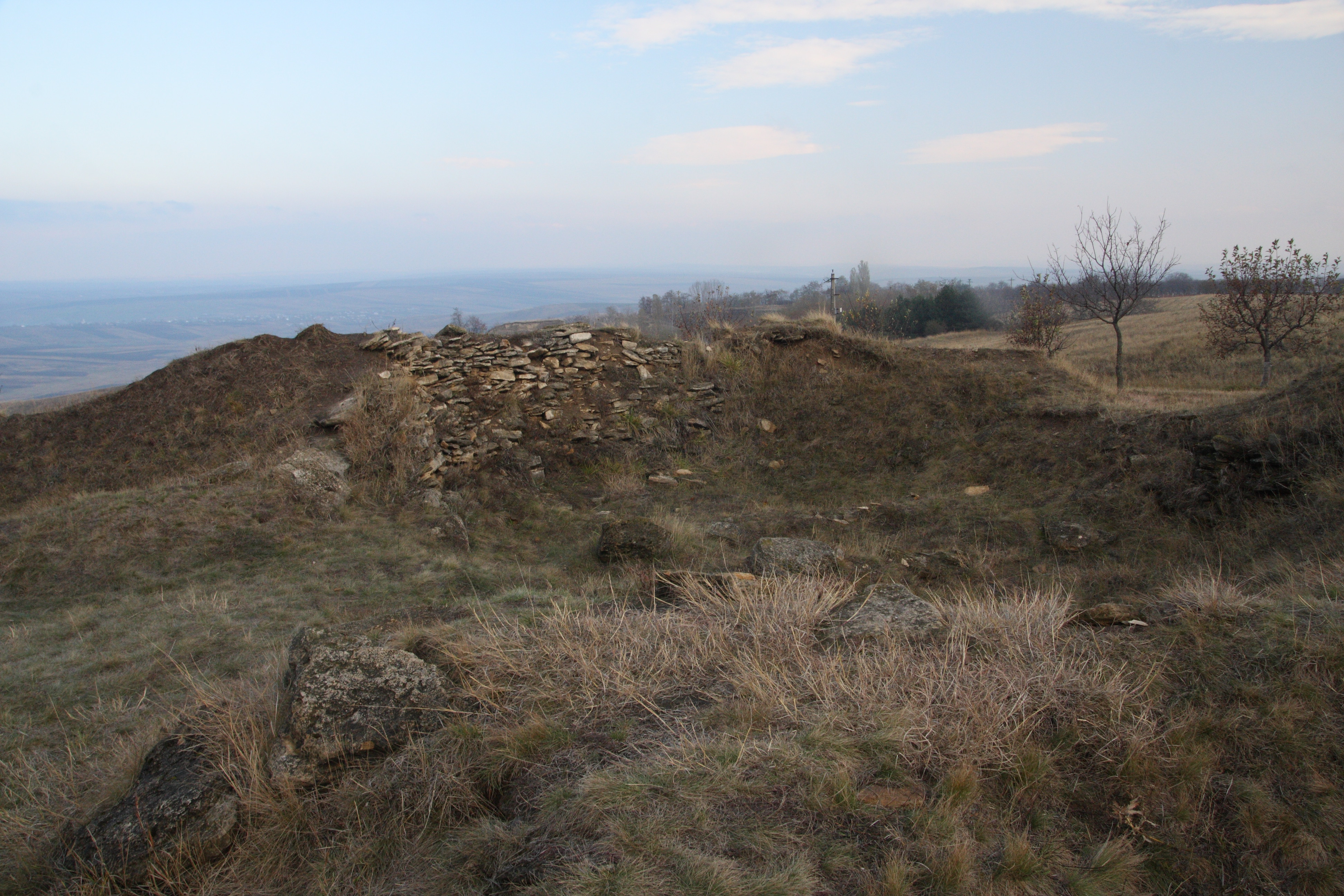
Cucuteni
Neolithic site of Cucuteni culture artifacts
Tropaeum Traiani
Explore this archaeological site.
Dacidava
Explore this archaeological site.