Time Periods
Paleolithic
Mesolithic
Neolithic
Chalcolithic
Bronze Age
Iron Age
Classical Period
Post-Classical Period
Early Modern Period
Industrial Period
Contemporary Period
Time Periods
Paleolithic
Mesolithic
Neolithic
Chalcolithic
Bronze Age
Iron Age
Classical Period
Post-Classical Period
Early Modern Period
Industrial Period
Contemporary Period
Location
About
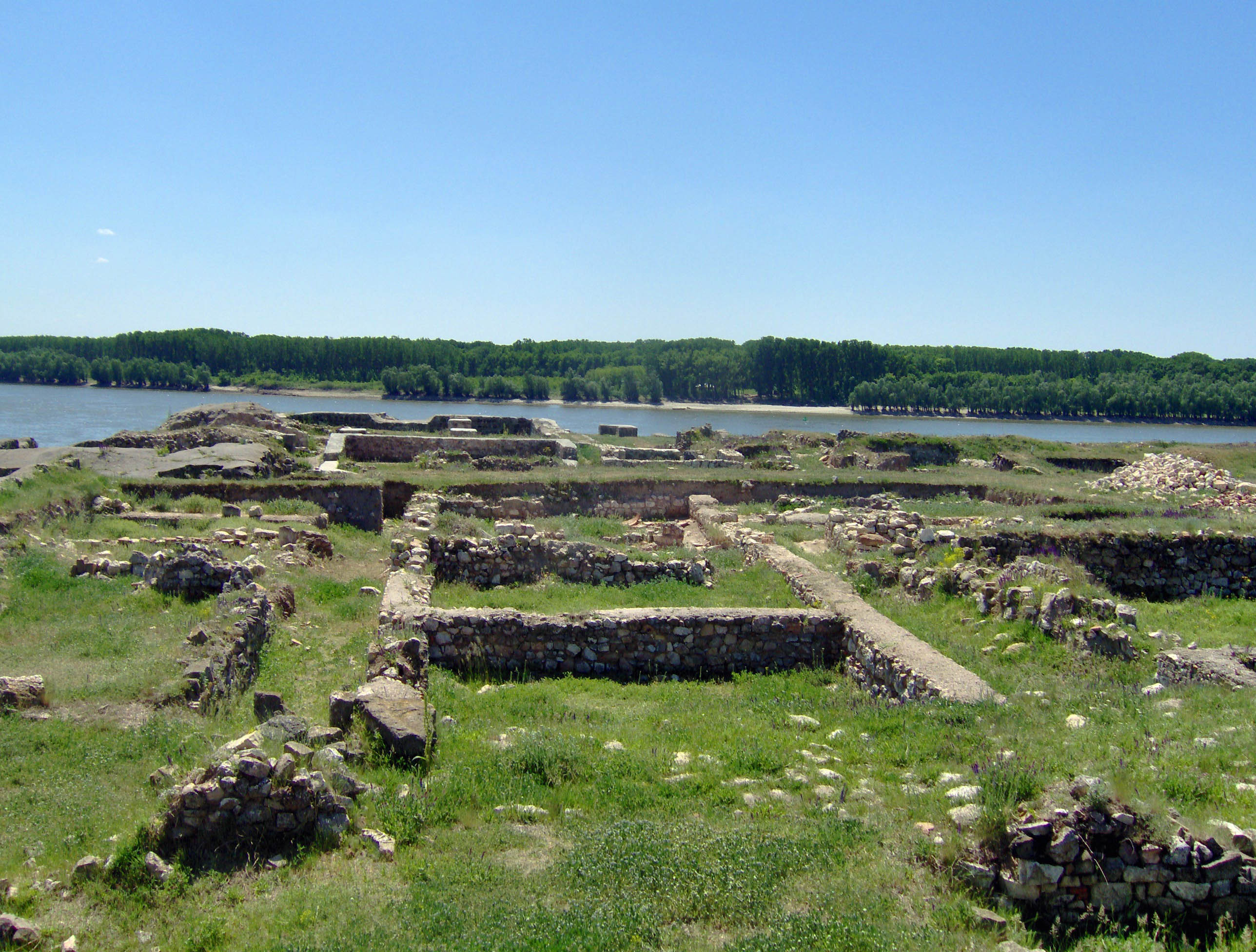
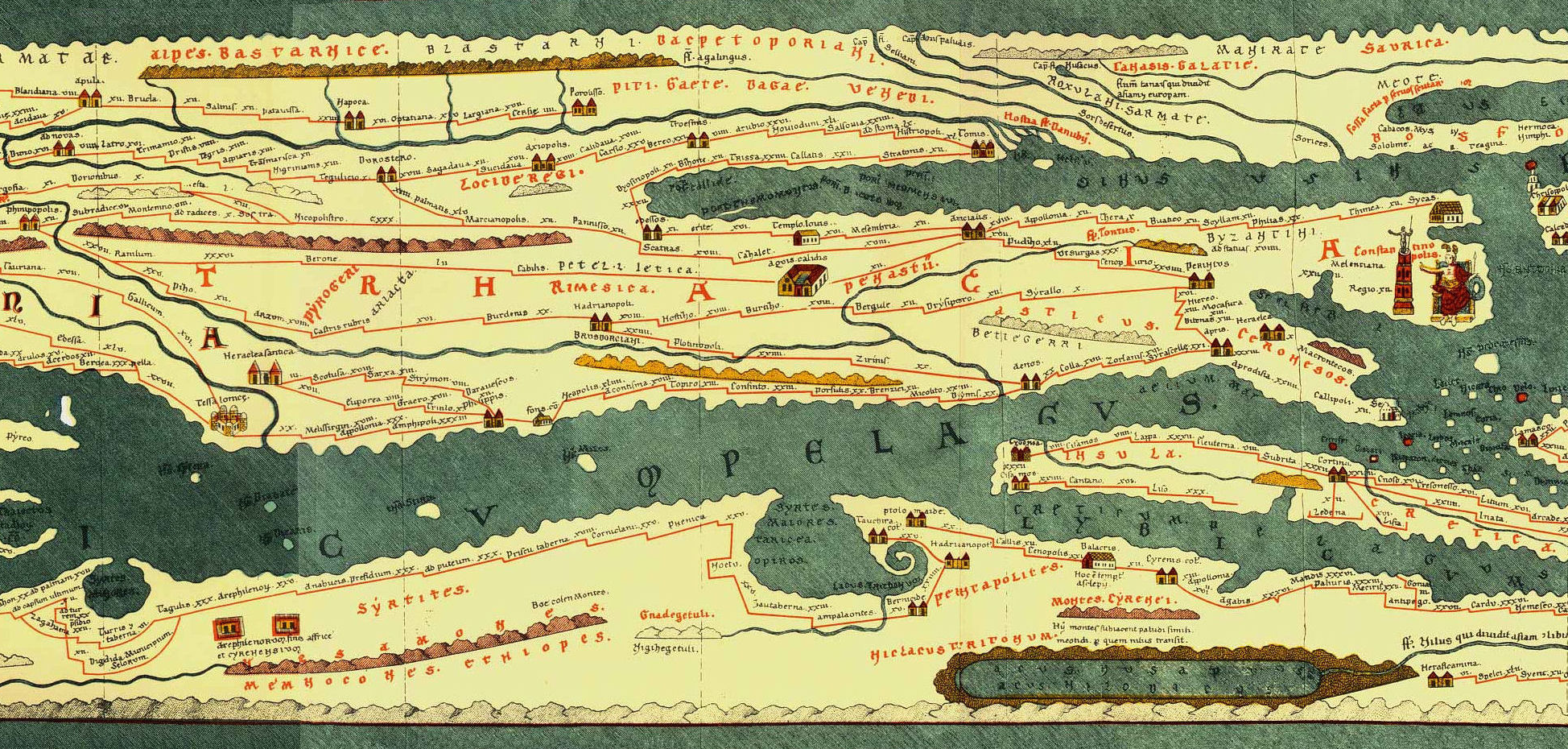
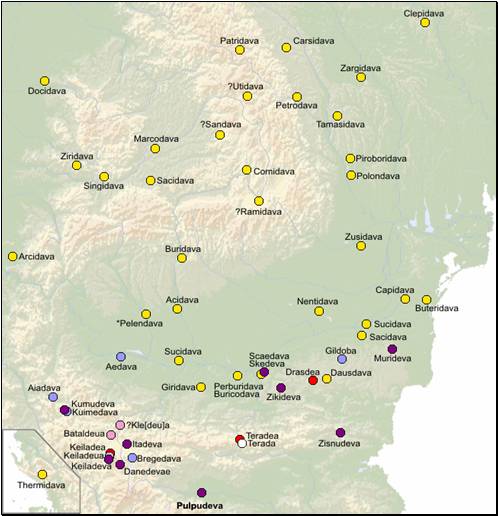
Capidava, located near the modern commune of Topalu in Romania, is an archaeological site of significant historical importance. Initially a fortified center for the Geto-Dacians, it showcases the strategic military architecture of the era. Following the Roman conquest of Dacia, Capidava transformed into a Roman city and military camp (castra) within the province of Scythia Minor. This site is depicted on the Tabula Peutingeriana, a Roman map dating from the 1st to the 4th century CE, highlighting its role in regional transportation and military logistics. Archaeological findings, such as a military marking pillar, confirm the accuracy of the ancient map's distances between Capidava and neighboring Roman settlements, underscoring its importance as a hub in the Roman road network.
Gallery
Explore photographs of ancient structures, artifacts, and archaeological excavations at Topalu
Archaeological Features
Explore the unique architectural and cultural elements found at this historical site
Defensive Structures
Transportation and Communication Structures
Historical Timeline
Journey through time and discover key events in this site's archaeological history
Plan Your Visit
Details
- Country
- Romania
- Source
- Wikipedia
More Sites in Romania
Pecica
Ancient Dacian fortress turned archaeological site.
Isaccea
Ancient settlement with Roman and Byzantine influences
Limanu
Village with historical cave site
Măgura Uroiului
Explore this archaeological site.
Rusidava
Explore this archaeological site.
Dacidava
Explore this archaeological site.