Explore the Map
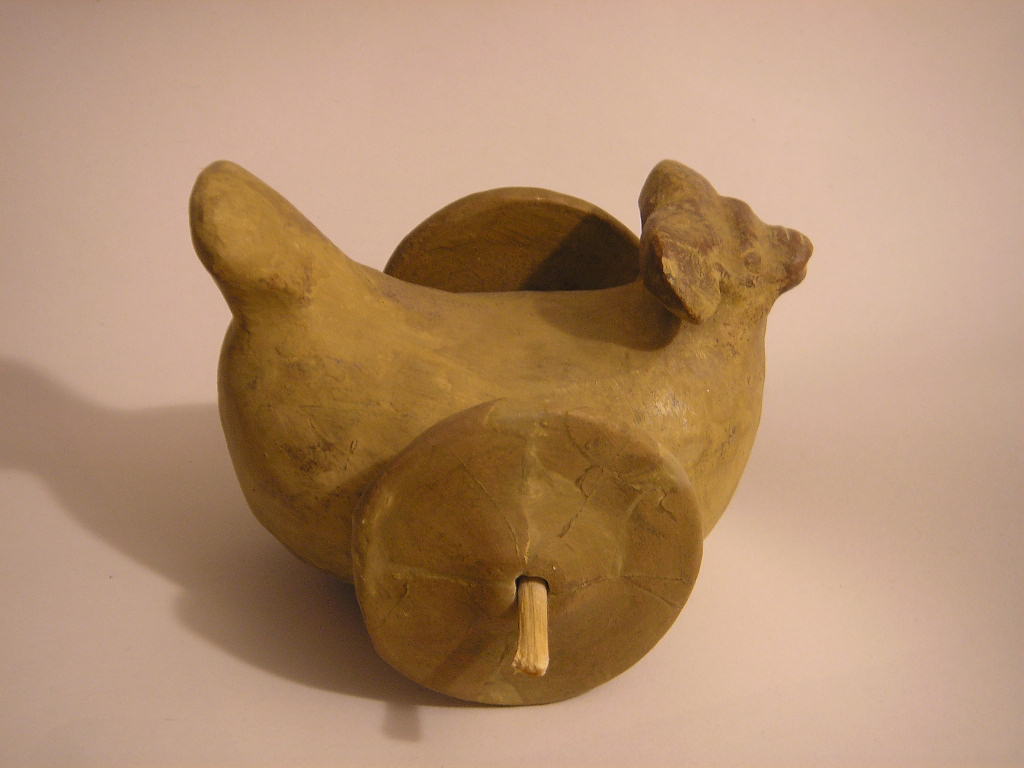
Ivolga archaeological site
51.7507° N, 109.1442° E
About
The Ivolga archaeological site, located in the Selenga Highlands near Ulan-Ude, Russia, is a significant remnant of a fortified city built by the Xiongnu people. Established in the 3rd century BCE, this city served as a crucial habitation and defense hub for the Xiongnu culture during the Middle and Late Iron Age. The site is characterized by its fortified structures, indicative of the socio-political dynamics of the Xiongnu era. The city met its demise in the 1st century BCE, leaving behind a rich tapestry of historical narratives. Positioned in Buryatia, the site is intertwined with local folklore, often being associated with the Huns. Its archaeological and cultural significance lies in its ability to provide insight into the life, defense strategies, and eventual decline of a prominent ancient civilization in this region.
Gallery
Explore photographs of ancient structures, artifacts, and archaeological excavations
Historical Timeline
Journey through time and discover key events in this site's history
Founding of Xiongnu City
3rd century BCE
Destruction of Xiongnu City
1st century BCE
Archaeological Features
Unique architectural and cultural elements found at this historical site
Defensive Structures
Domestic and Habitation Structures
Frequently Asked Questions
Plan Your Visit
Tours, travel arrangements, and practical information


More Sites in Russia
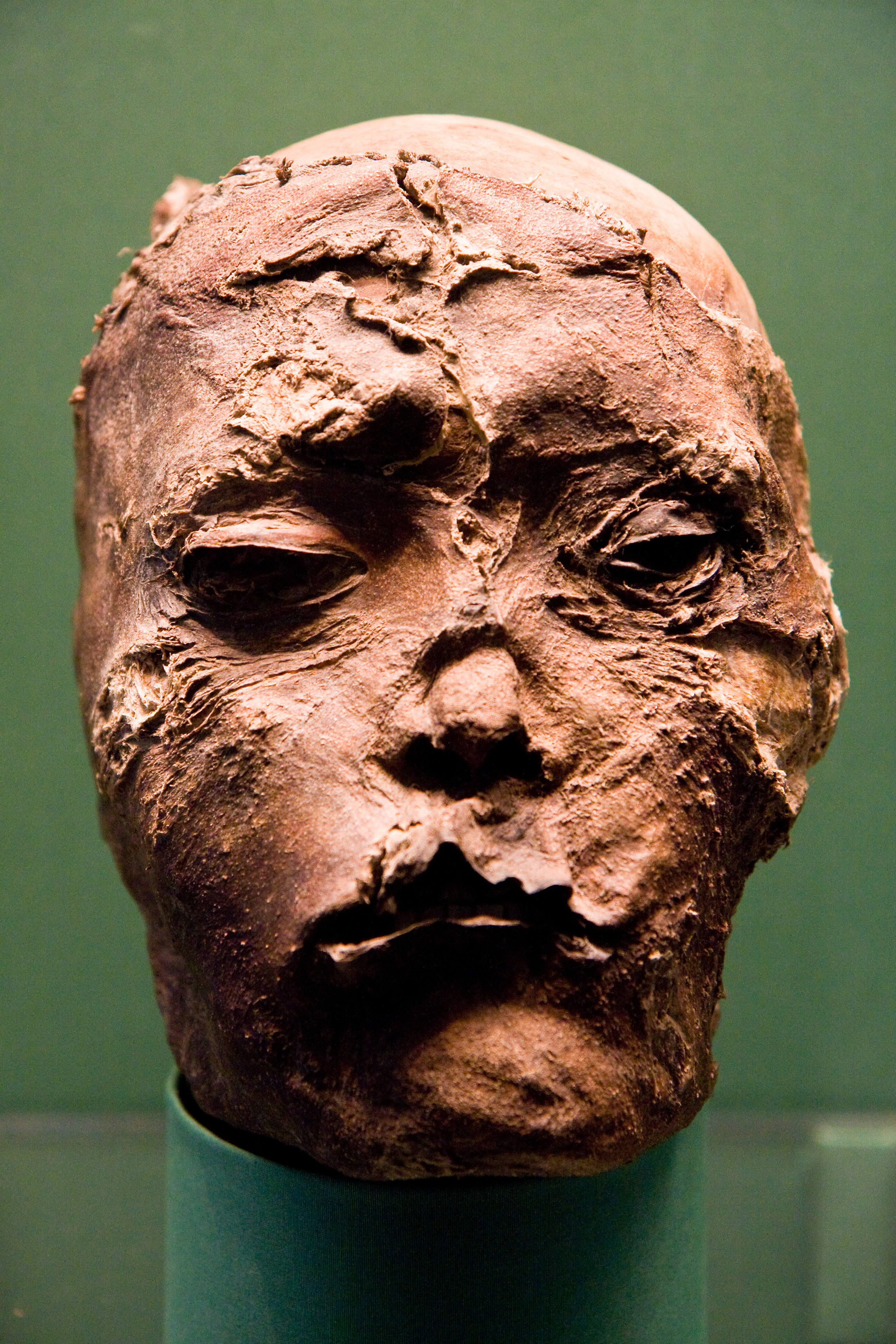
Pazyryk burials
Iron Age Scythian burial mounds
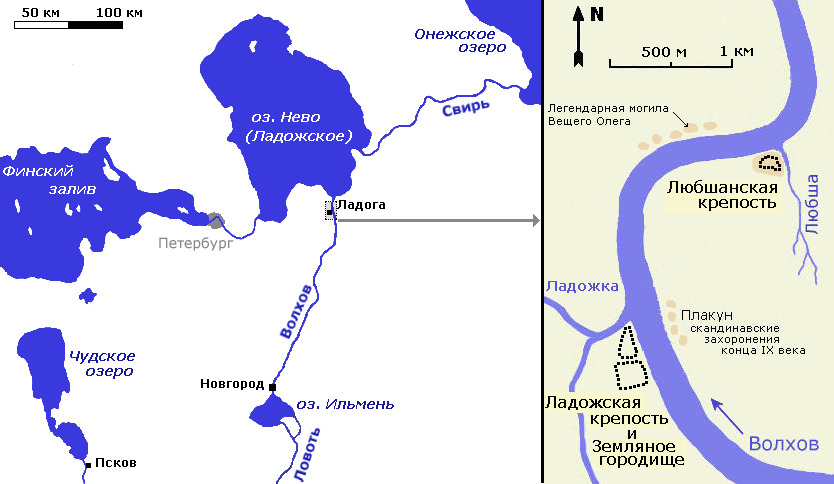
Lyubsha
Early Slavic fortification predating Staraya Ladoga.
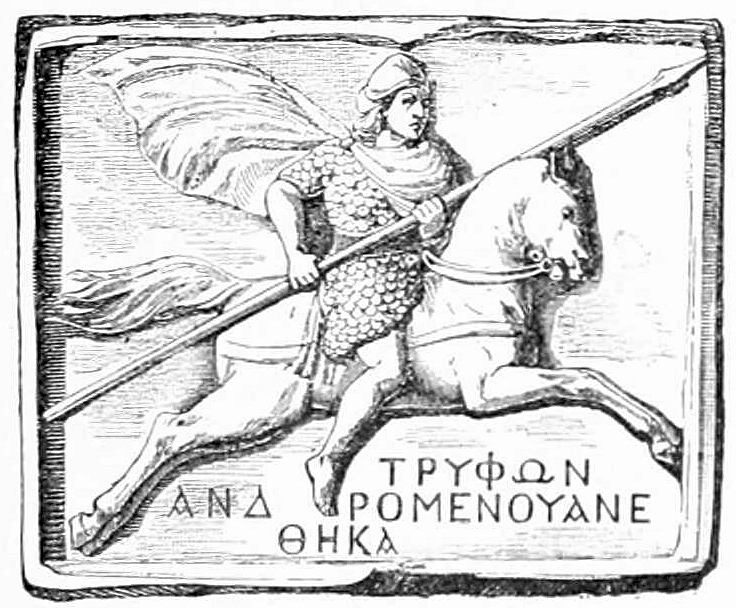
Tanais
Ancient Greek city in Don River delta
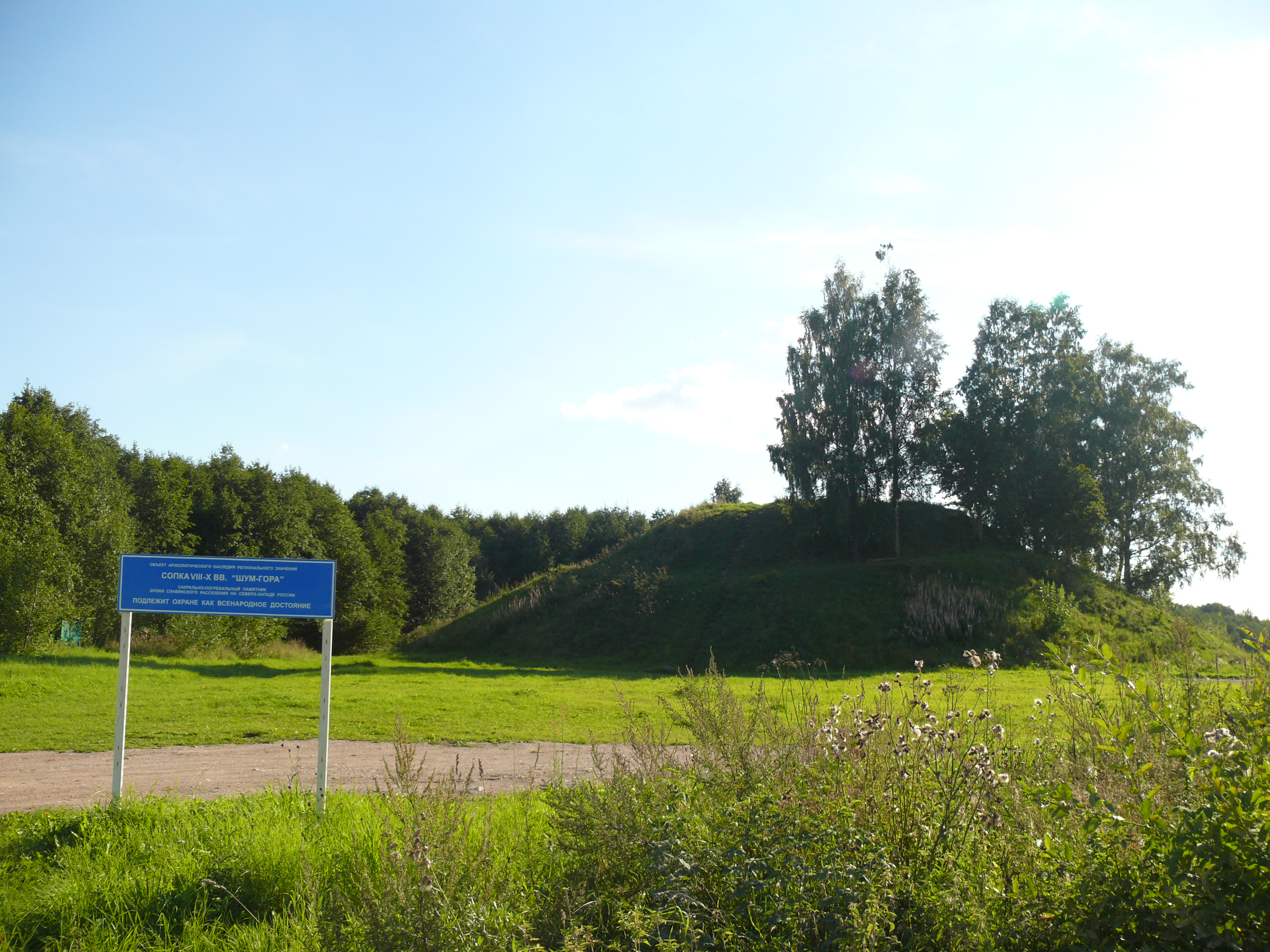
Shum-gora
Massive kurgan with ritual significance.
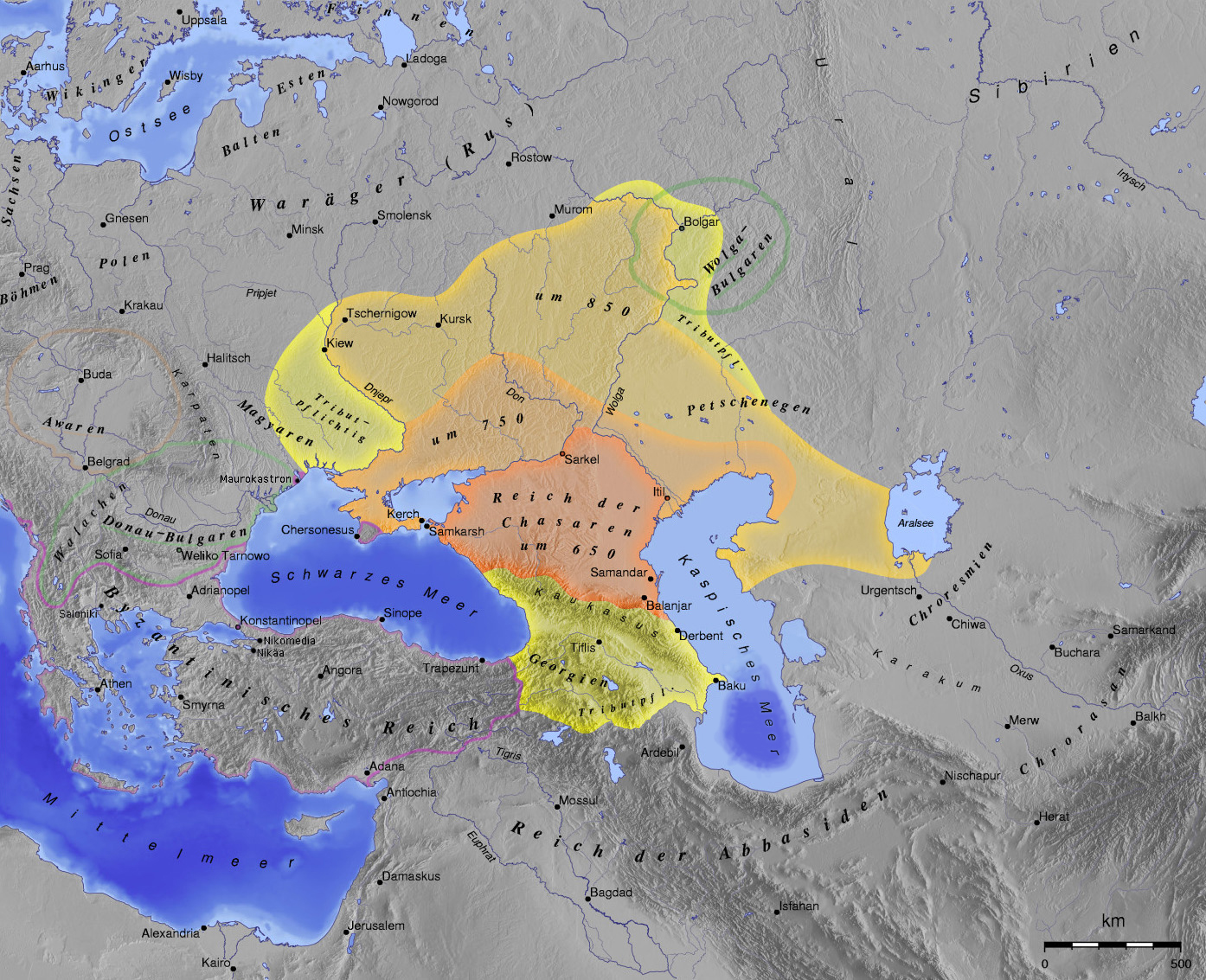
Semikarakorsk Fortress
Early medieval Khazar fortress on island hill.
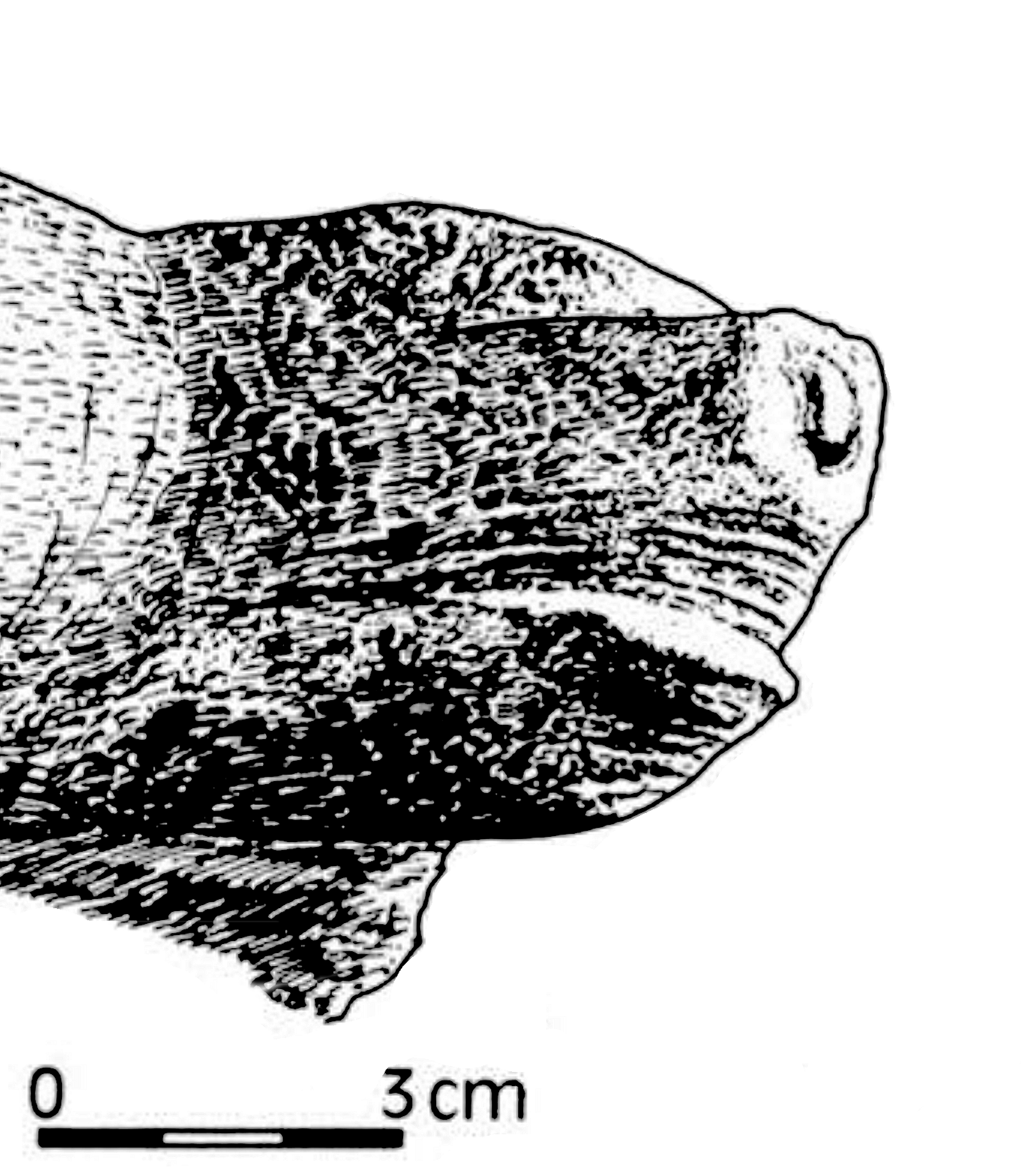
Tolbaga
Upper Paleolithic site with animal sculpture.