Time Periods
Paleolithic
Mesolithic
Neolithic
Chalcolithic
Bronze Age
Iron Age
Classical Period
Post-Classical Period
Early Modern Period
Industrial Period
Contemporary Period
Time Periods
Paleolithic
Mesolithic
Neolithic
Chalcolithic
Bronze Age
Iron Age
Classical Period
Post-Classical Period
Early Modern Period
Industrial Period
Contemporary Period
Location
About
Čataj, a village in western Slovakia, offers a rich tapestry of archaeological and historical significance. Initial settlement traces back to the Neolithic period around 5000 BCE, marking it as an area of early human habitation. The village's documented history begins in the 13th century, with subsequent centuries witnessing German colonization and architectural developments, including the construction of a Catholic rectory in 1397 and a church by 1721, later replaced by a Neoclassical structure in 1845. Historically, Čataj was predominantly German until the 18th century and remains a site of cultural heritage with its noted embroidery and folk traditions. The archaeological and historical features reflect its dynamic past and its ongoing cultural significance in the region.
Archaeological Features
Explore the unique architectural and cultural elements found at this historical site
Religious and Ritual Structures
Domestic and Habitation Structures
Historical Timeline
Journey through time and discover key events in this site's archaeological history
Plan Your Visit
Details
- Country
- Slovakia
- Source
- Wikipedia
More Sites in Slovakia
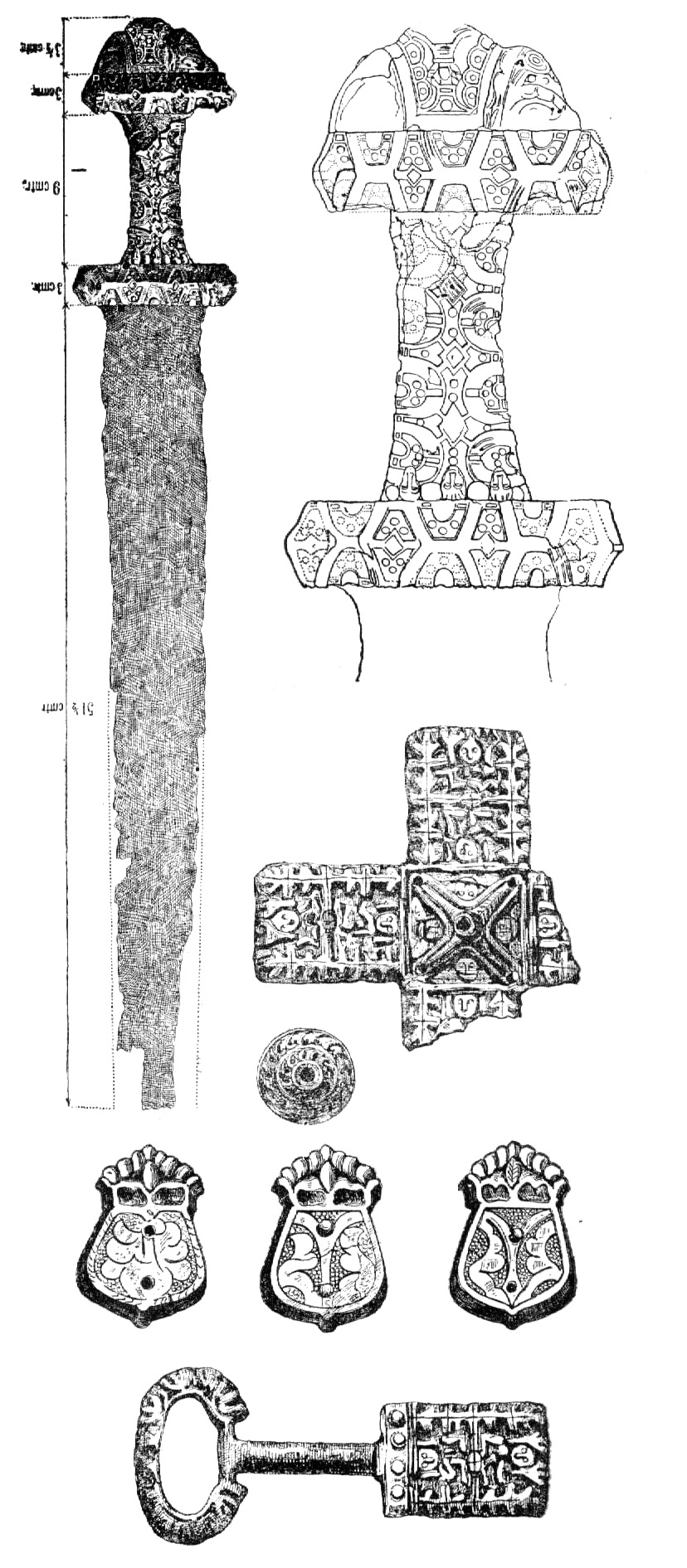
Blatnica, Slovakia
Slavic tumuli with 8th-9th century artifacts
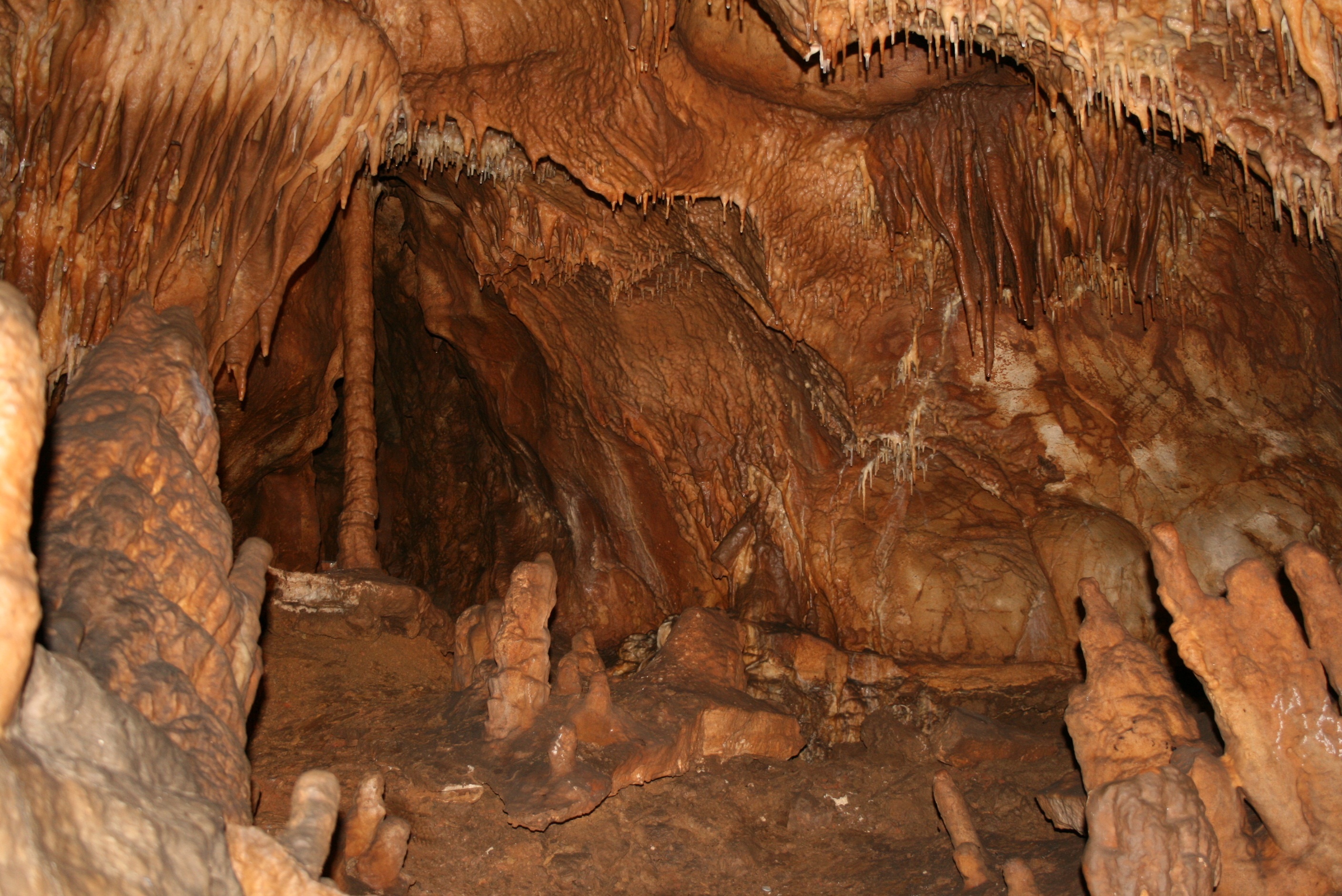
Jasov Cave
Limestone cave with Paleolithic artifacts
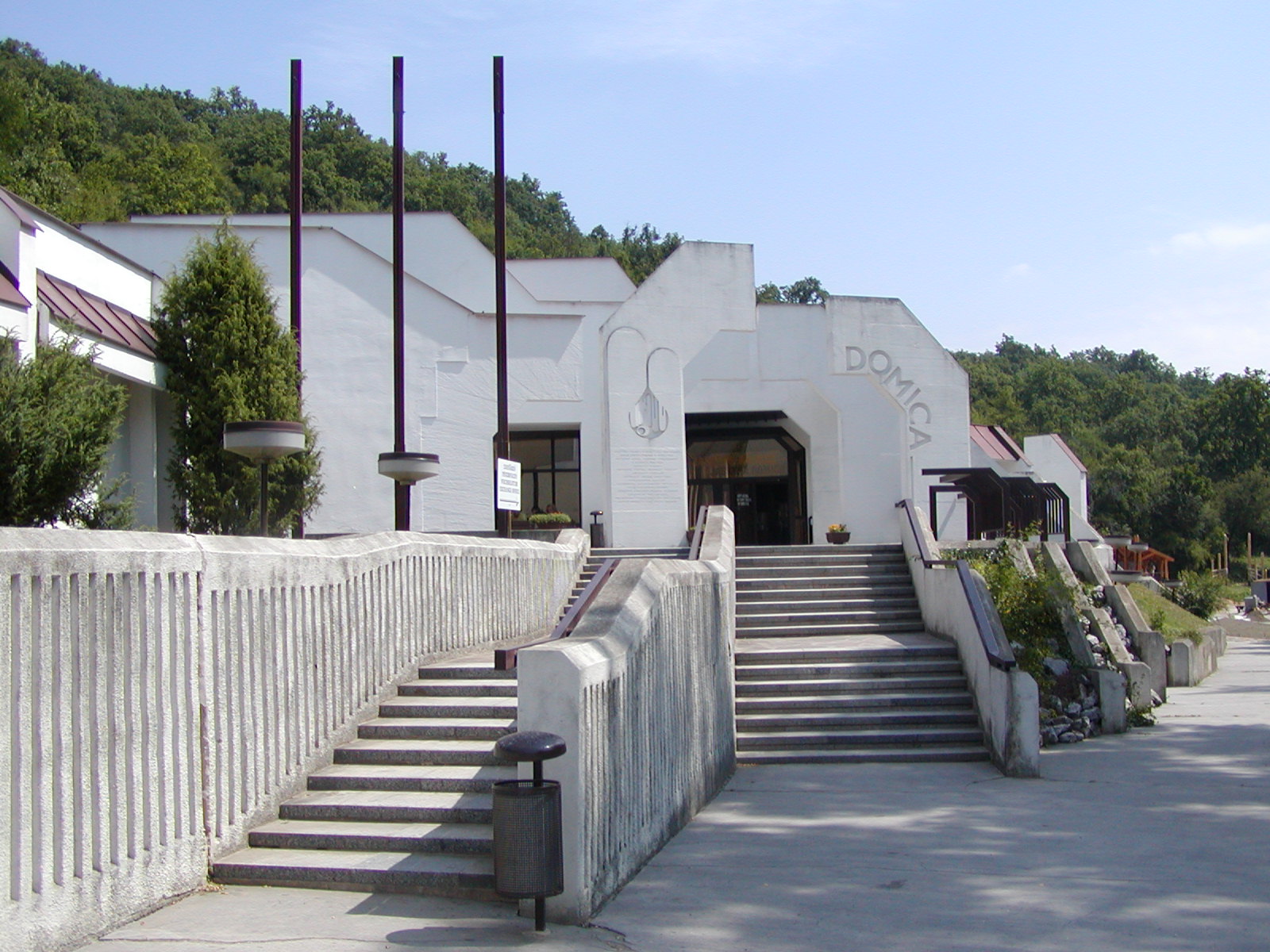
Domica Cave
Complex karst cave with speleothems and artifacts
Čierne Kľačany
Explore this archaeological site.
Ducové
Explore this archaeological site.
Nižná Myšľa
Explore this archaeological site.