
Explore the Map
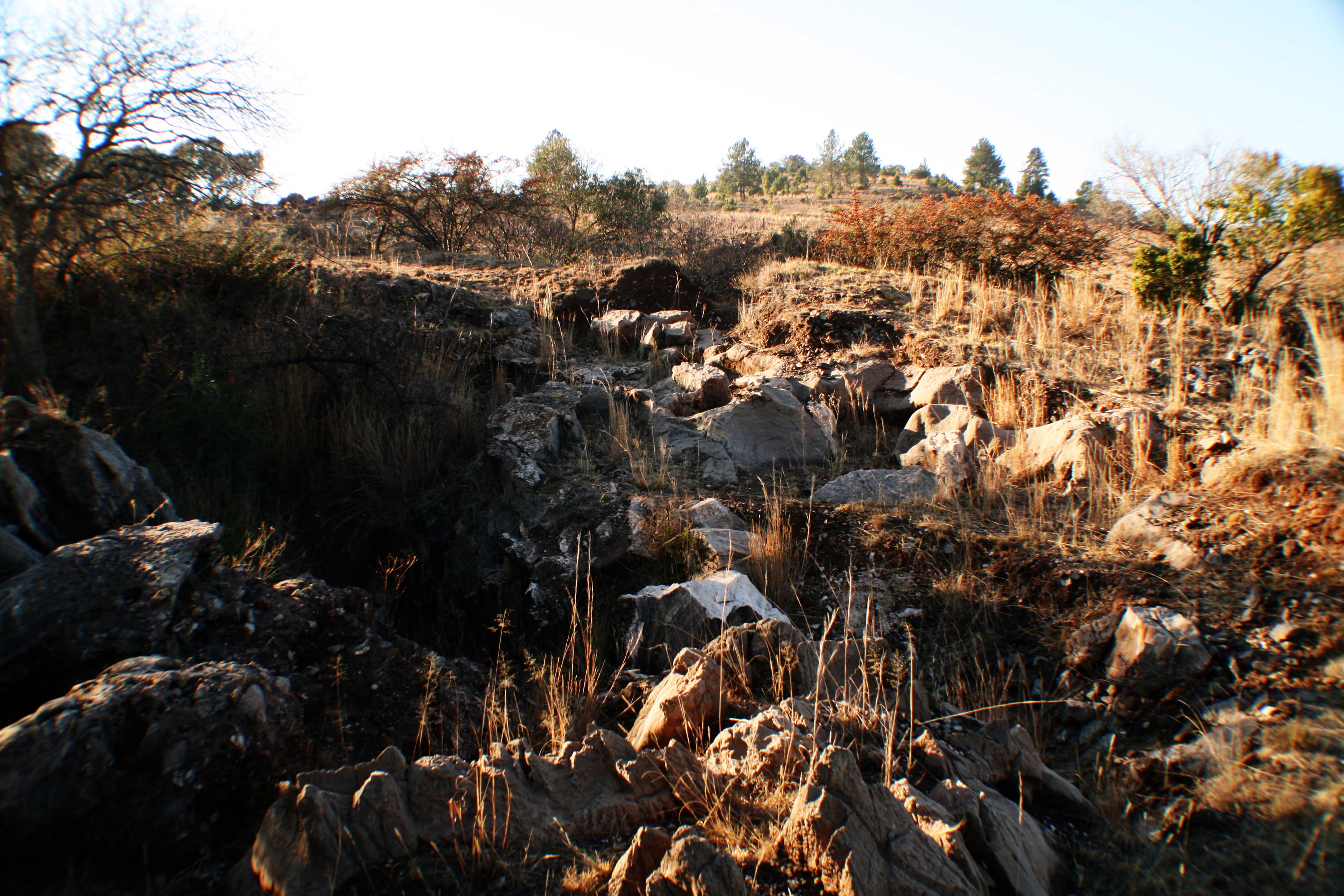
Swartkrans
-25.9292° N, 27.7889° E
About
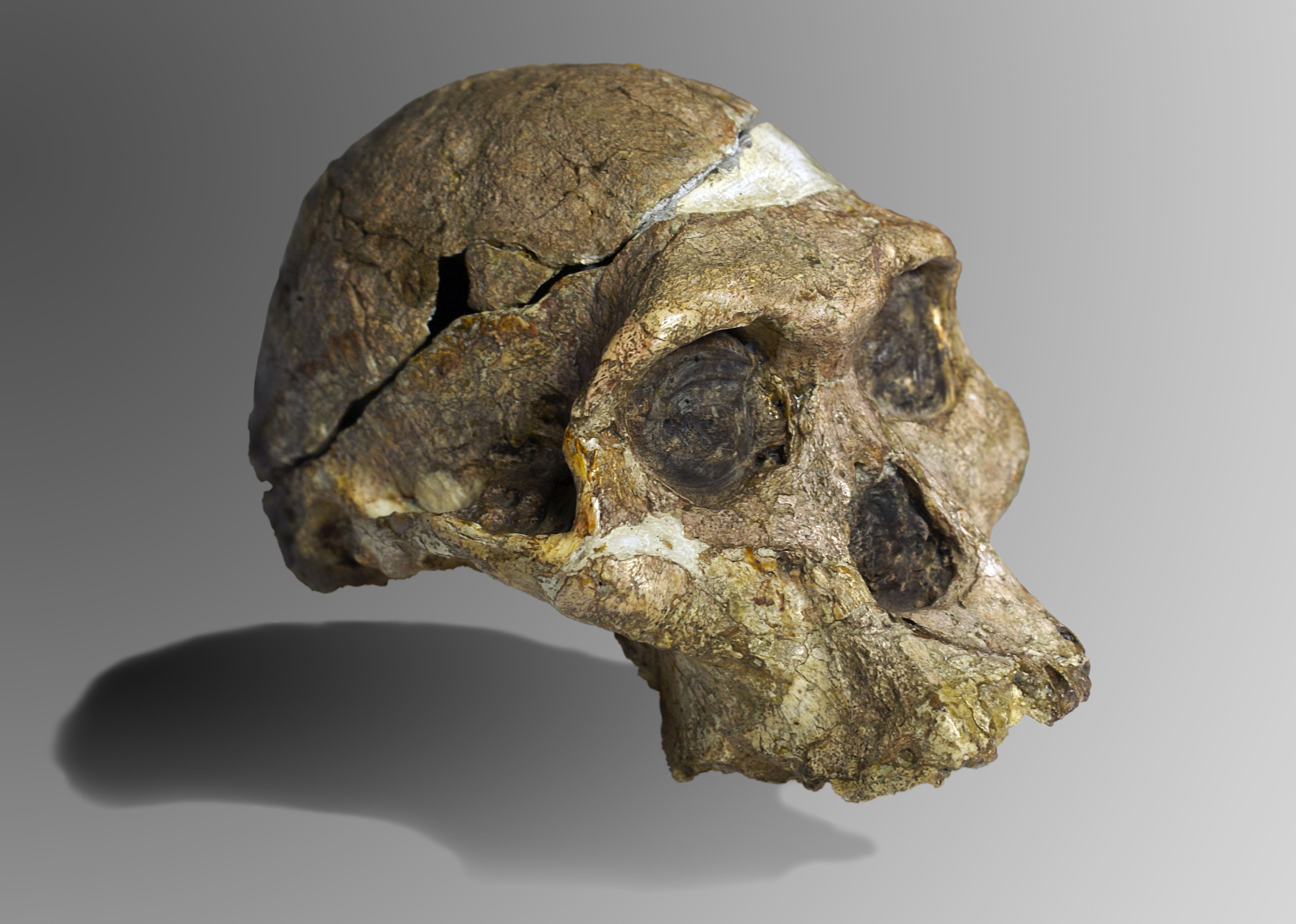
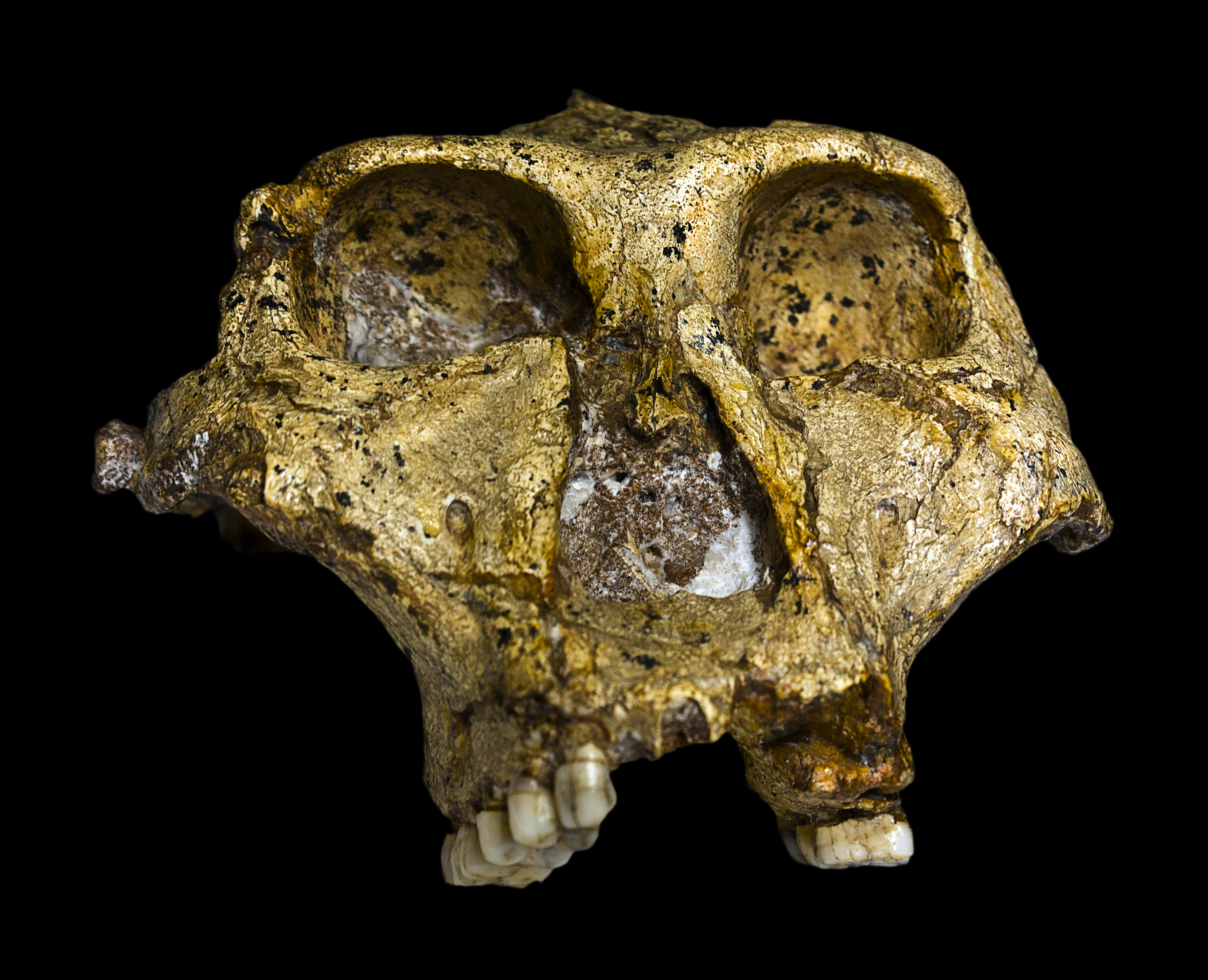
Swartkrans is a significant archaeological site located in the Cradle of Humankind, South Africa, known for its rich fossil deposits dating back to the Lower Paleolithic period. The site has yielded a wealth of hominin fossils, including Homo ergaster, Paranthropus robustus, and Homo habilis, indicating a diverse prehistoric population. Notable discoveries include evidence of some of the earliest controlled use of fire, dating back to 1.5 million years ago, and modified bone tools used for tasks such as termite harvesting. These findings provide crucial insights into the behavior and lifestyle of early hominins. Additionally, Swartkrans is notable for the discovery of the earliest known incidence of cancer in hominins, offering a unique glimpse into the ancient health conditions of our ancestors.
Gallery
Explore photographs of ancient structures, artifacts, and archaeological excavations
Historical Timeline
Journey through time and discover key events in this site's history
Hominin Occupation
1.8 million years ago
Modified Bone Tools
1.8 million years ago
Controlled Use of Fire
1.5 million years ago
Evidence of Cancer in Hominins
1.9-2.1 million years ago
Archaeological Features
Unique architectural and cultural elements found at this historical site
Domestic and Habitation Structures
Environmental and Natural Features
Plan Your Visit
Tours, travel arrangements, and practical information
More Sites in South Africa
Boomplaas Cave
Stratified cave with ancient human occupation
Melkhoutboom Cave
Later Stone Age habitation cave in South Africa
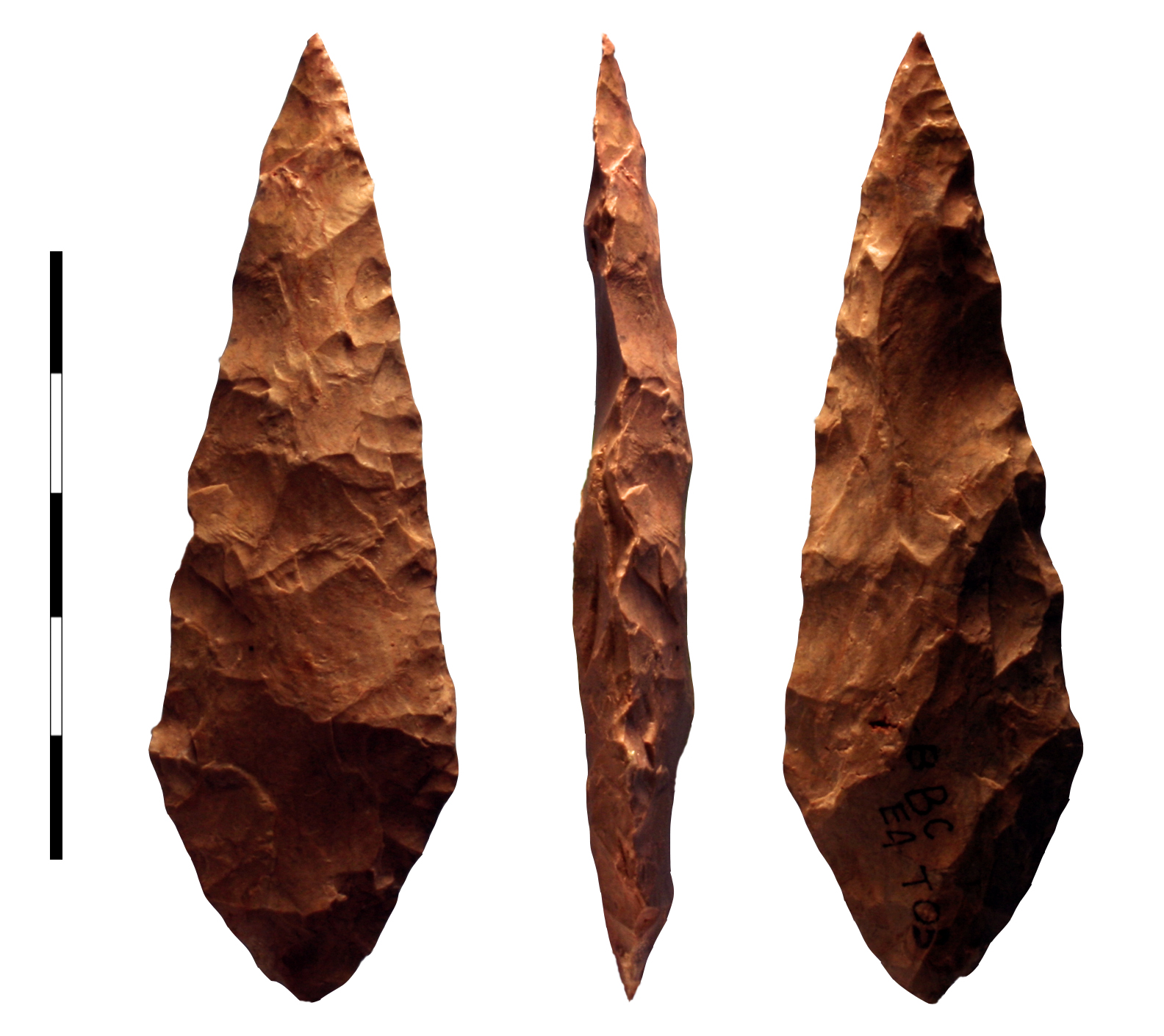
Stadsaal Caves
Sandstone caves with San rock art.

Border Cave
Rock shelter with long prehistoric sequence.
Cooper's Cave
Fossil-bearing breccia-filled dolomitic caves.

Stilbaai Tidal Fish Traps
Ancient intertidal stonewall fish traps