
Archaeological Ensemble of Mérida
<p>The colony of Augusta Emerita, which became present-day Mérida in Estremadura, was founded in 25 B.C. at the end of the Spanish Campaign and was…
Explore the Map
Archaeological Ensemble of Mérida
38.7847° N, -6.2436° E
About
<p>The colony of Augusta Emerita, which became present-day Mérida in Estremadura, was founded in 25 B.C. at the end of the Spanish Campaign and was the capital of Lusitania. The well-preserved remains of the old city include, in particular, a large bridge over the Guadiana, an amphitheatre, a theatre, a vast circus and an exceptional water-supply system. It is an excellent example of a provincial Roman capital during the empire and in the years afterwards.</p>
Plan Your Visit
Tours, travel arrangements, and practical information
Details
Spain
38.78° N, -6.24° E
More Sites in Spain
La Fonteta Phoenician Port
La Fonteta is an ancient Phoenician port city that was located in what is now the town of Guardamar del Segura, Alicante, Spain.
Caves of Nerja
The Caves of Nerja (Spanish: Cueva de Nerja) are a series of caverns close to the town of Nerja in the Province of Málaga, Spain.
El Castillón
El Castillón is an archaeological site located in the Spanish hamlet of Santa Eulalia de Tábara, in the municipality of Moreruela de Tábara, province
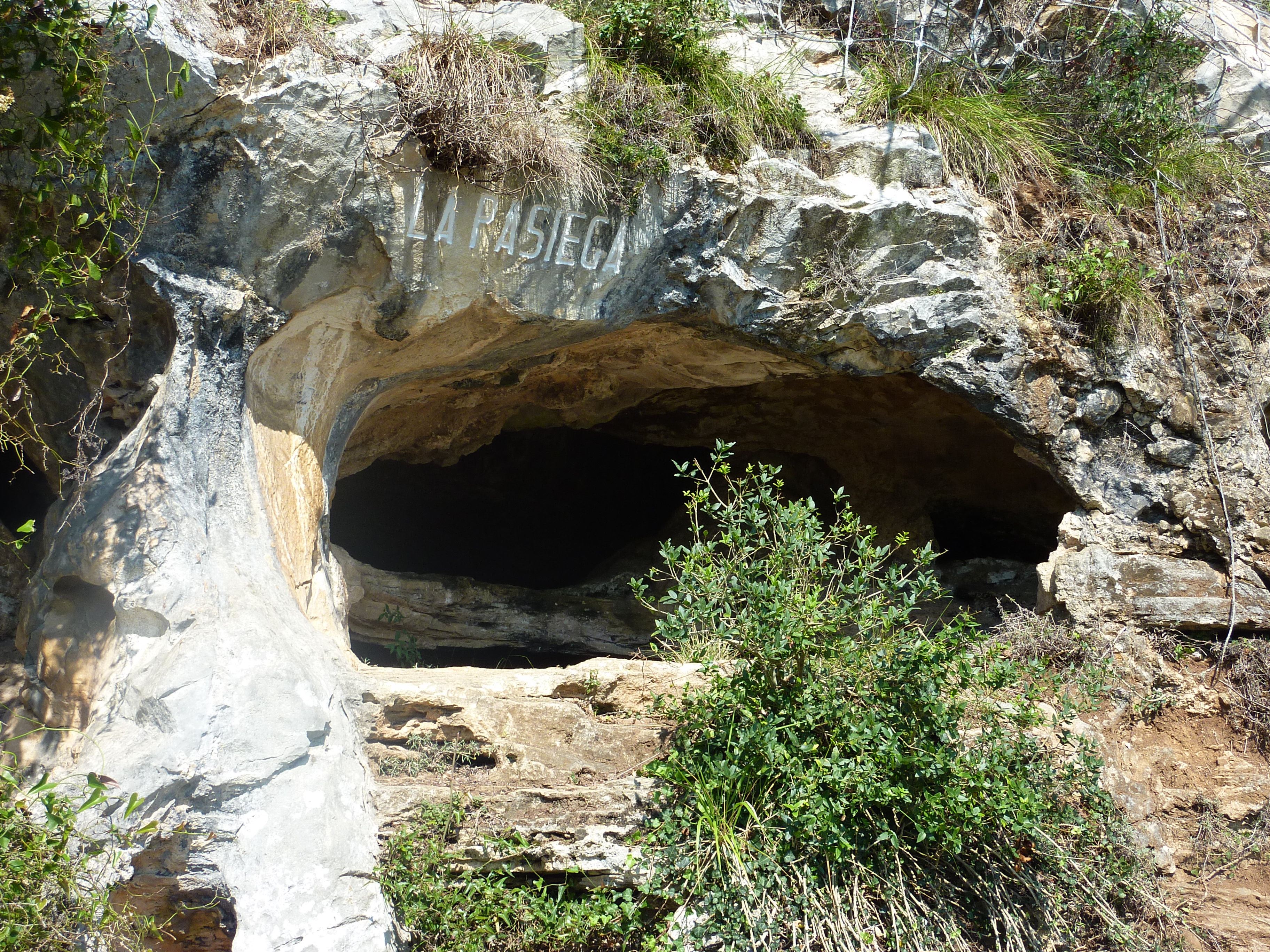
Cave of La Pasiega
Complex cave with Paleolithic rock art.
La Olmeda
Late Antique Roman villa, Palencia, Spain
Tito Bustillo Cave
The Tito Bustillo Cave is a prehistoric rock shelter located in the small town of Ribadesella, in the autonomous community of Asturias, Spain.