Explore the Map
La Olmeda
42.4817° N, -4.7364° E
About
The palatial Late Antique Roman villa at La Olmeda is situated in Pedrosa de la Vega in the province of Palencia (Castile and León, Spain), near the banks of the Carrión. Long known as the provenance of chance finds, it was finally professionally excavated from 1968, and was declared a Bien de Interés Cultural, 3 April 1996. The site was donated in 1984 to the Diputación de Palencia by its proprietor and discoverer, Javier Cortes Álvarez de Miranda, who had supported the archaeological investigation of the site from 1969 to 1980. It is open to the public, while a museum dedicated to the finds is housed in the nearby church of San Pedro de Saldaña. The agrarian villa was developed in several stages, from the first to the third century AD, with major reconstruction in the fourth century and extending in use at least to the end of the fifth. The villa complex centers on the elite quarters of rigorously symmetrical disposition, wherein twenty-seven rooms, twelve with mosaic floors, are disposed around a central patio crossed with mosaic paths in geometric patterns and linked round its perimeter by a wide peristyle. This main building housed the poentior, with its oecus or reception hall, centered in the east wing featuring a particularly resplendent mosaic floor. Slightly raised semicircular apses mark its northeastern and northwestern end rooms. The main body of the villa communicated with a baths by a grand passageway. The principal front of the main block faces south, with a porticoed gallery ending in octagonal tower blocks. The residential quarters face north with two rectangular corner towers. The complex also included working and living quarters of more rustic aspect, kilns for baking roof tiles on the site, three burial grounds, and a section of paved roadway.
Historical Timeline
Journey through time and discover key events in this site's history
Initial development
1st–3rd century AD
Bien de Interés Cultural designation
3 April 1996
Major reconstruction
4th century AD
Continued occupation
5th century AD
Professional excavation begins
1968
Donation to Diputación de Palencia
1984
Archaeological Features
Unique architectural and cultural elements found at this historical site
Defensive Structures
Public and Civic Structures
Burial and Funerary Structures
Industrial and Craft Structures
Artistic and Decorative Features
Domestic and Habitation Structures
Transportation and Communication Structures
Frequently Asked Questions
Plan Your Visit
Tours, travel arrangements, and practical information
More Sites in Spain
Castulo
Iberian town and Roman-era settlement in Andalusia, Spain
Baelo Claudia
Baelo Claudia was an ancient Roman town in Hispania, located 22 kilometres (14 mi) outside of Tarifa, near the village of Bolonia, in southern Spain.
Ca n'Oliver Iberian Settlement and Museum
The Ca n'Oliver Iberian settlement is a very large Iberian settlement found in the Collserola mountain range, in the territory formerly known as Laietania, in present-day Cerdanyola del Vallès.
Castell de la Fosca
Castell de la Fosca or Punta del Castell is an ancient Iberian settlement or oppidum sited on a rocky promontory at the north end of the beach called
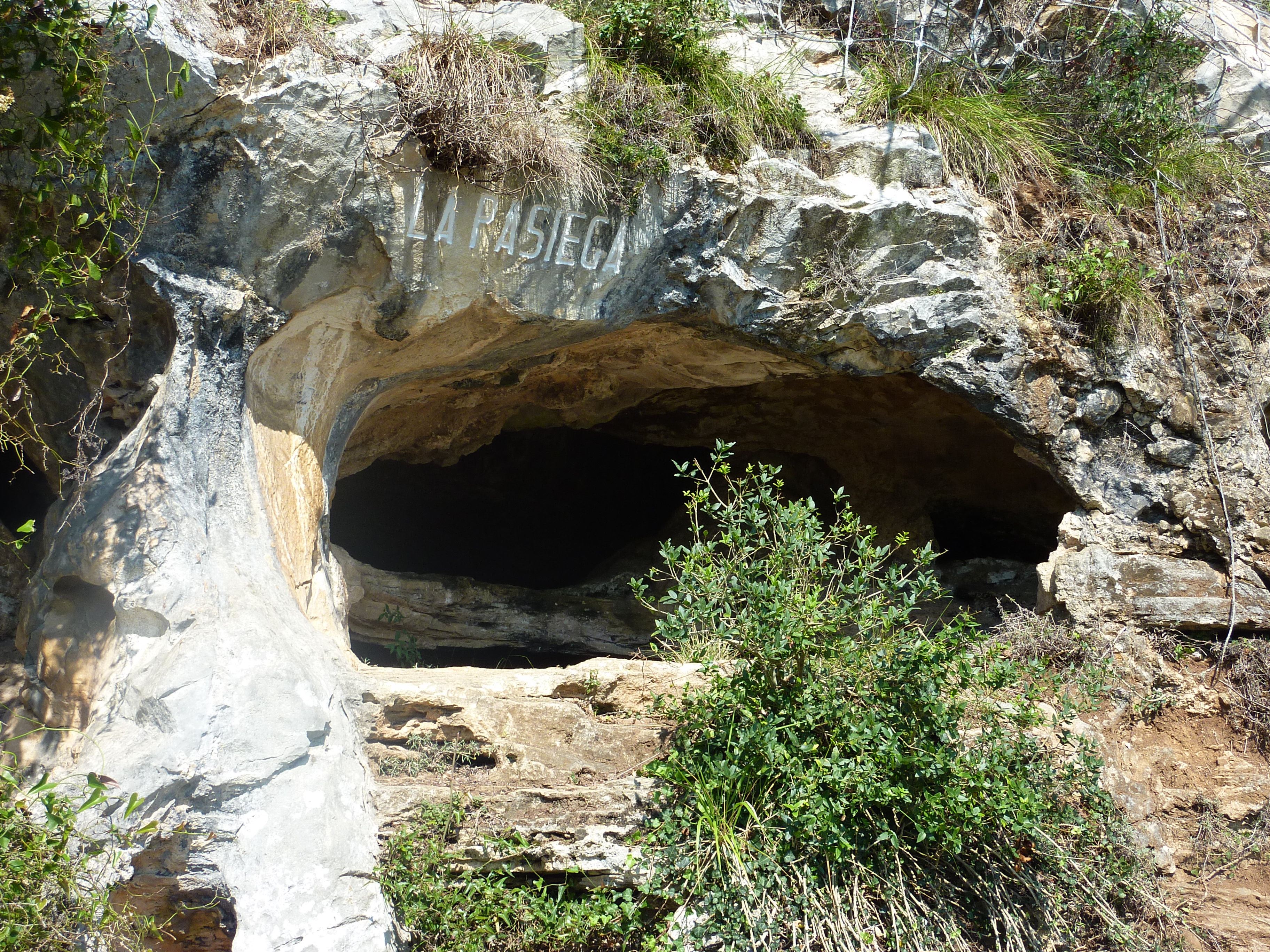
Cave of La Pasiega
Complex cave with Paleolithic rock art.
Las Capellanías
Prehistoric funerary complex in Huelva, Spain