
Cave of Altamira and Paleolithic Cave Art of Northern Spain
The Cave of Altamira and Paleolithic Cave Art of Northern Spain (Cueva de Altamira y arte rupestre paleolítico del Norte de España) is a grouping of
Explore the Map
Cave of Altamira and Paleolithic Cave Art of Northern Spain
43.3774° N, -4.1225° E
About
The Cave of Altamira and Paleolithic Cave Art of Northern Spain (Cueva de Altamira y arte rupestre paleolítico del Norte de España) is a grouping of 18 caves of northern Spain, which together represent the apogee of Upper Paleolithic cave art in Europe between 35,000 and 11,000 years ago (Aurignacian, Gravettian, Solutrean, Magdalenian, Azilian). In 2008, they were collectively designated a World Heritage Site by UNESCO. Chief among these caves is Altamira, located within the town of Santillana del Mar in Cantabria. It remains one of the most important painting cycles of prehistory, originating in the Magdalenian and Solutrean periods of the Upper Paleolithic. This cave's artistic style represents the Franco-cantabrian school, characterized by the realism of its figural representation. Altamira Cave was declared a World Heritage Site in 1985. In 2008, the World Heritage Site was expanded to include 17 additional caves located in three autonomous communities of northern Spain: Asturias, Cantabria and the Basque Country.
Plan Your Visit
Tours, travel arrangements, and practical information
More Sites in Spain
Castell de la Fosca
Castell de la Fosca or Punta del Castell is an ancient Iberian settlement or oppidum sited on a rocky promontory at the north end of the beach called
Castulo
Iberian town and Roman-era settlement in Andalusia, Spain
Dolmen of Guadalperal
Megalithic dolmen in Extremadura, Spain (3000–2000 BC)
Caves of Nerja
The Caves of Nerja (Spanish: Cueva de Nerja) are a series of caverns close to the town of Nerja in the Province of Málaga, Spain.
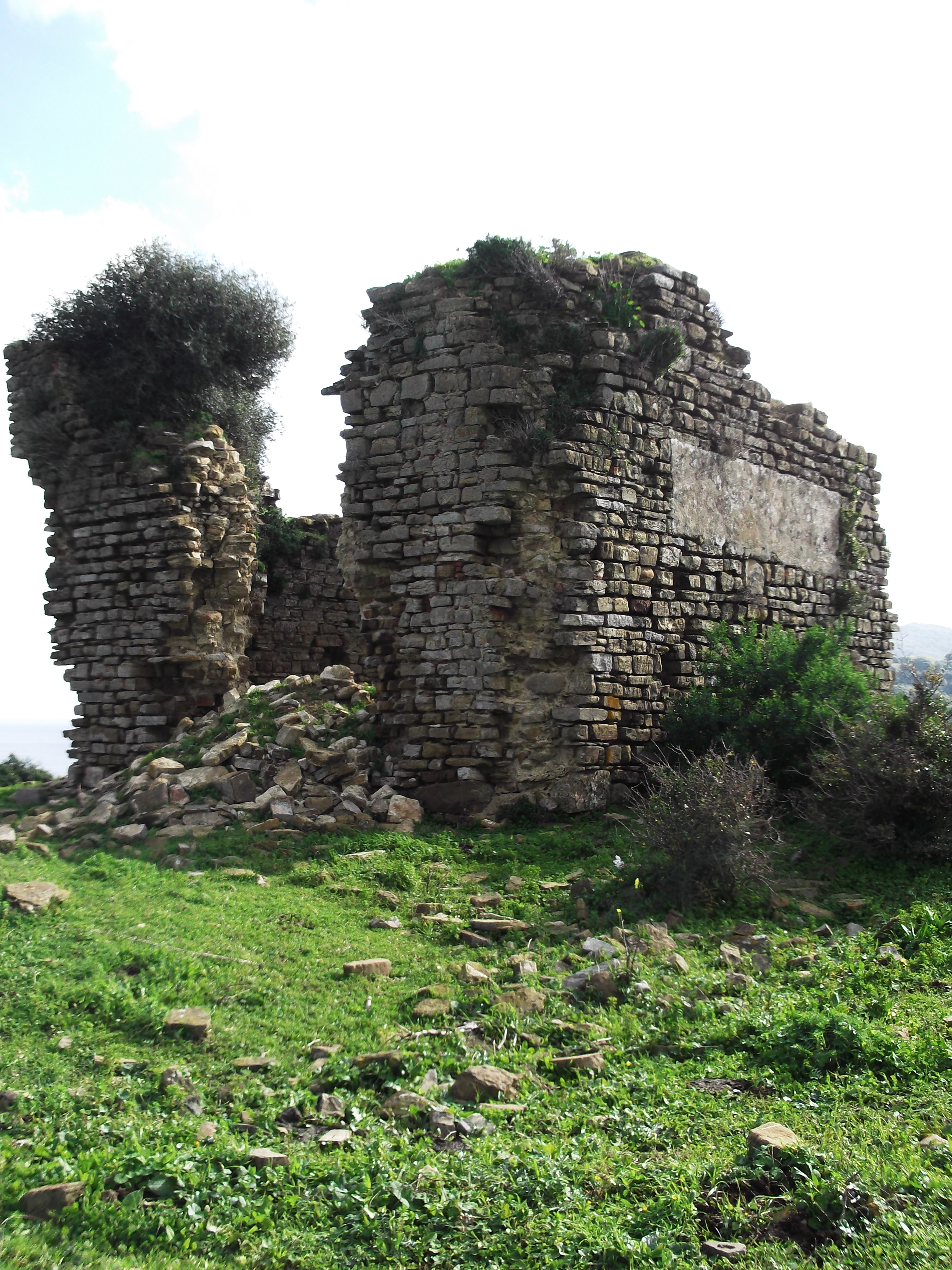
Torre del Arroyo del Lobo
Ruined medieval defensive tower in Spain
Castro de Borneiro
Iron Age castro in Galicia, Spain