
Caves of Nerja
The Caves of Nerja (Spanish: Cueva de Nerja) are a series of caverns close to the town of Nerja in the Province of Málaga, Spain.
Explore the Map
Caves of Nerja
36.7617° N, -3.8458° E
About
The Caves of Nerja (Spanish: Cueva de Nerja) are a series of caverns close to the town of Nerja in the Province of Málaga, Spain. Stretching for almost 5 kilometres (3.1 mi), the caverns are one of Spain's major tourist attractions. Concerts are regularly held in one of the chambers, which forms a natural amphitheatre. The caves were re-discovered in modern times on 12 January 1959 by five friends, who entered through a narrow sinkhole known as "La Mina". This forms one of the two natural entrances to the cave system. A third entrance was created in 1960 to allow easy access for tourists, just south of the Sierras of Tejeda, Almijara and Alhama Natural Park. The cave is divided into two main parts known as Nerja I and Nerja II. Nerja I includes the Show Galleries which are open to the public, with relatively easy access via a flight of stairs and concreted pathways to allow tourists to move about in the cavern without difficulty. Nerja II, which is not open to the public, comprises the Upper Gallery discovered in 1960 and the New Gallery discovered in 1969. In February 2012 it was announced that possibly Neanderthal cave paintings dated in 42,000 years had been discovered in the Caves of Nerja.
Plan Your Visit
Tours, travel arrangements, and practical information
More Sites in Spain
Las Capellanías
Prehistoric funerary complex in Huelva, Spain
La Fonteta Phoenician Port
La Fonteta is an ancient Phoenician port city that was located in what is now the town of Guardamar del Segura, Alicante, Spain.
Dolmen of Guadalperal
Megalithic dolmen in Extremadura, Spain (3000–2000 BC)
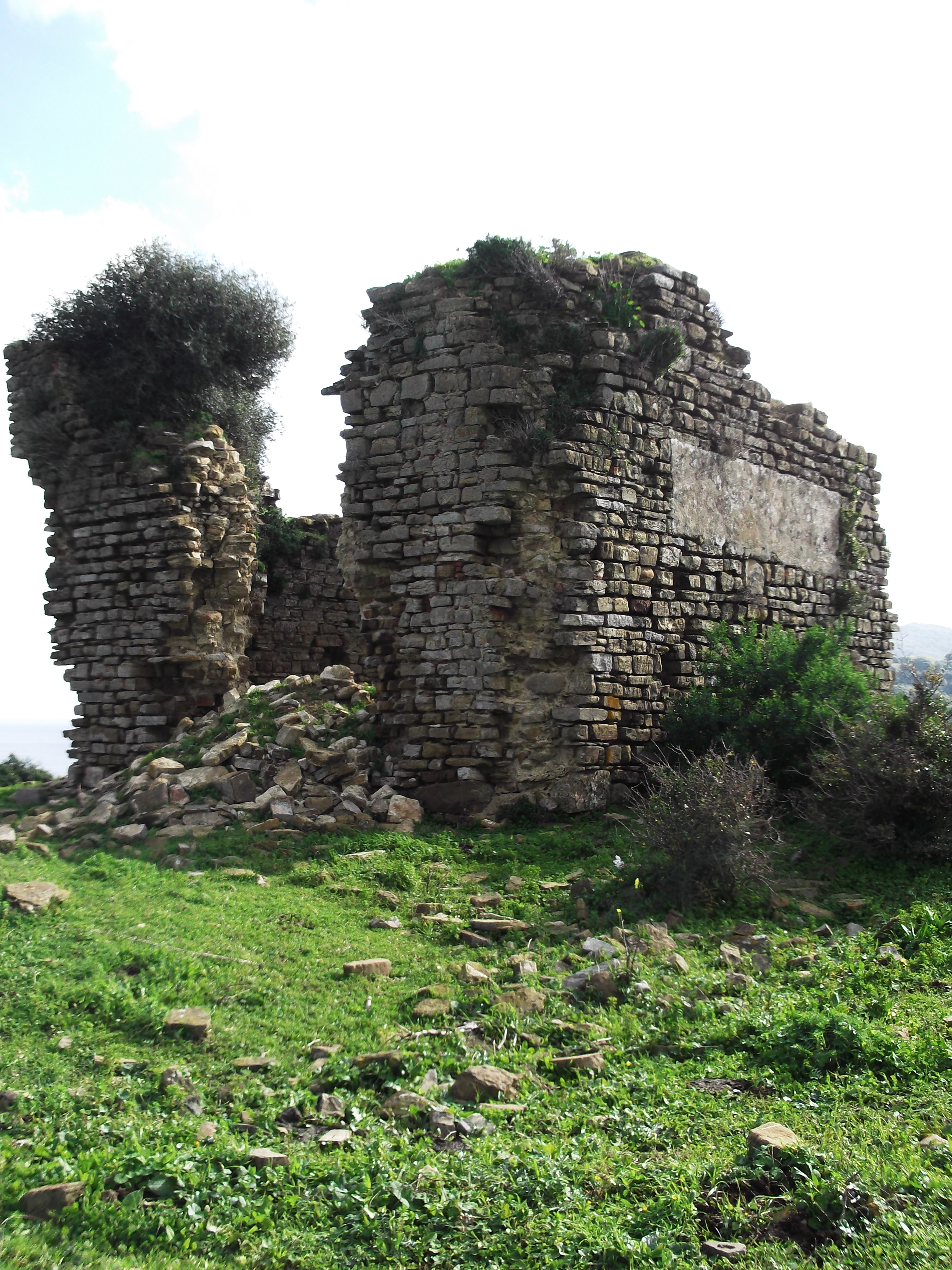
Torre del Arroyo del Lobo
Ruined medieval defensive tower in Spain
Baelo Claudia
Baelo Claudia was an ancient Roman town in Hispania, located 22 kilometres (14 mi) outside of Tarifa, near the village of Bolonia, in southern Spain.
Ca n'Oliver Iberian Settlement and Museum
The Ca n'Oliver Iberian settlement is a very large Iberian settlement found in the Collserola mountain range, in the territory formerly known as Laietania, in present-day Cerdanyola del Vallès.