
Explore the Map
Dolmen de Viera
37.0241° N, -4.5484° E
About
The Dolmen de Viera or Dolmen de los Hermanos Viera is a dolmen—a type of single-chamber megalithic tomb—located in Antequera, province of Málaga, Andalusia, Spain. It is located only 70 metres (230 ft) from the Dolmen de Menga and about 4 kilometres (2.5 mi) from another structure known as Tholos de El Romeral. It was discovered between 1903 and 1905 by brothers Antonio and José Viera from Antequera, who also discovered El Romeral.
Historical Timeline
Journey through time and discover key events in this site's history
Discovery
1903–1905
National monument designation
1923
UNESCO inscription
2016
Construction
c. 3510–3020 BCE
Archaeological Features
Unique architectural and cultural elements found at this historical site
Burial and Funerary Structures
Artistic and Decorative Features
Environmental and Natural Features
Astronomical and Timekeeping Structures
Frequently Asked Questions
Plan Your Visit
Tours, travel arrangements, and practical information
More Sites in Spain
Cave of Chufín
Paleolithic cave art in Cantabria, Spain
Calatrava la Vieja
Medieval fortress and town in Castile‑La Mancha, Spain
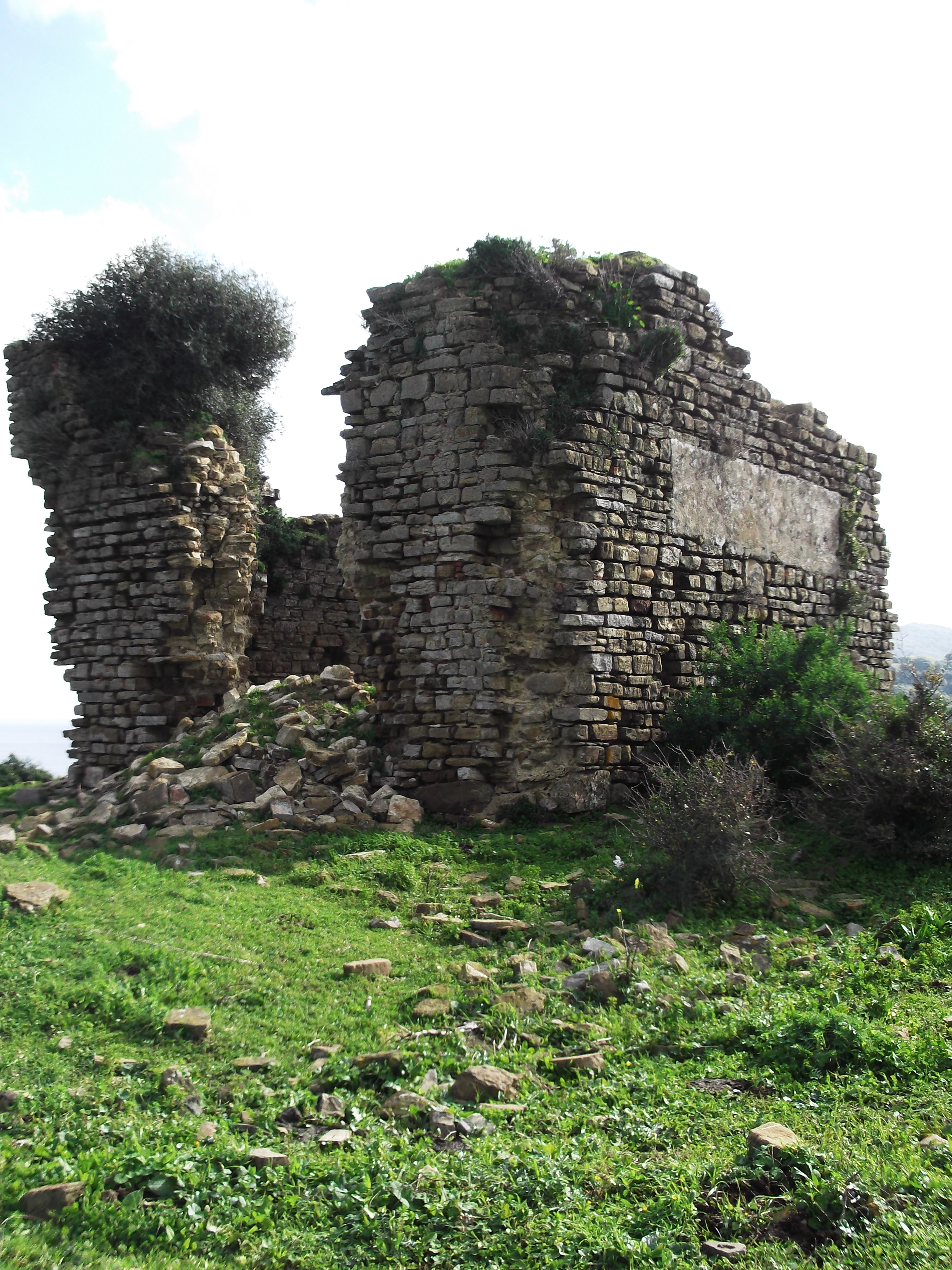
Torre del Arroyo del Lobo
Ruined medieval defensive tower in Spain
Tito Bustillo Cave
The Tito Bustillo Cave is a prehistoric rock shelter located in the small town of Ribadesella, in the autonomous community of Asturias, Spain.
Dolmen of Guadalperal
Megalithic dolmen in Extremadura, Spain (3000–2000 BC)
La Fonteta Phoenician Port
La Fonteta is an ancient Phoenician port city that was located in what is now the town of Guardamar del Segura, Alicante, Spain.