
Explore the Map
Dolmen of Menga
37.0246° N, -4.5463° E
About
The Dolmen of Menga (Spanish: Dolmen de Menga) is a megalithic burial mound called a tumulus, a long barrow form of dolmen, dating from 3750–3650 BCE approximately. It is near Antequera, Málaga, Spain. It is one of the largest known ancient megalithic structures in Europe. It is 27.5 metres (90 ft) long, 6 metres (20 ft) wide and 3.5 metres (11 ft) high, and was built with thirty-two megaliths, the largest weighing about 180 tonnes (200 tons). After completion of the chamber (which probably served as a grave for the ruling families) and the path leading into the center, the stone structure was covered with soil and built up into the hill that can be seen today. When the grave was opened and examined in the 19th century, archaeologists found the skeletons of several hundred people inside. The dolmen sits 70 metres (230 ft) from the Dolmen de Viera and about 4 kilometres (2.5 mi) from another subterranean structure known as Tholos de El Romeral. In 2016, the dolmens of Menga, Viera, and El Romeral were all inscribed as a UNESCO World Heritage Site under the name "Antequera Dolmens Site".
Historical Timeline
Journey through time and discover key events in this site's history
Chamber opened and examined
19th century
UNESCO inscription
2016
ATLAS study of Abrigo de Matacabras
2018
Construction
c. 3750–3650 BCE
Archaeological Features
Unique architectural and cultural elements found at this historical site
Burial and Funerary Structures
Artistic and Decorative Features
Environmental and Natural Features
Transportation and Communication Structures
Frequently Asked Questions
Plan Your Visit
Tours, travel arrangements, and practical information
More Sites in Spain
Castulo
Iberian town and Roman-era settlement in Andalusia, Spain
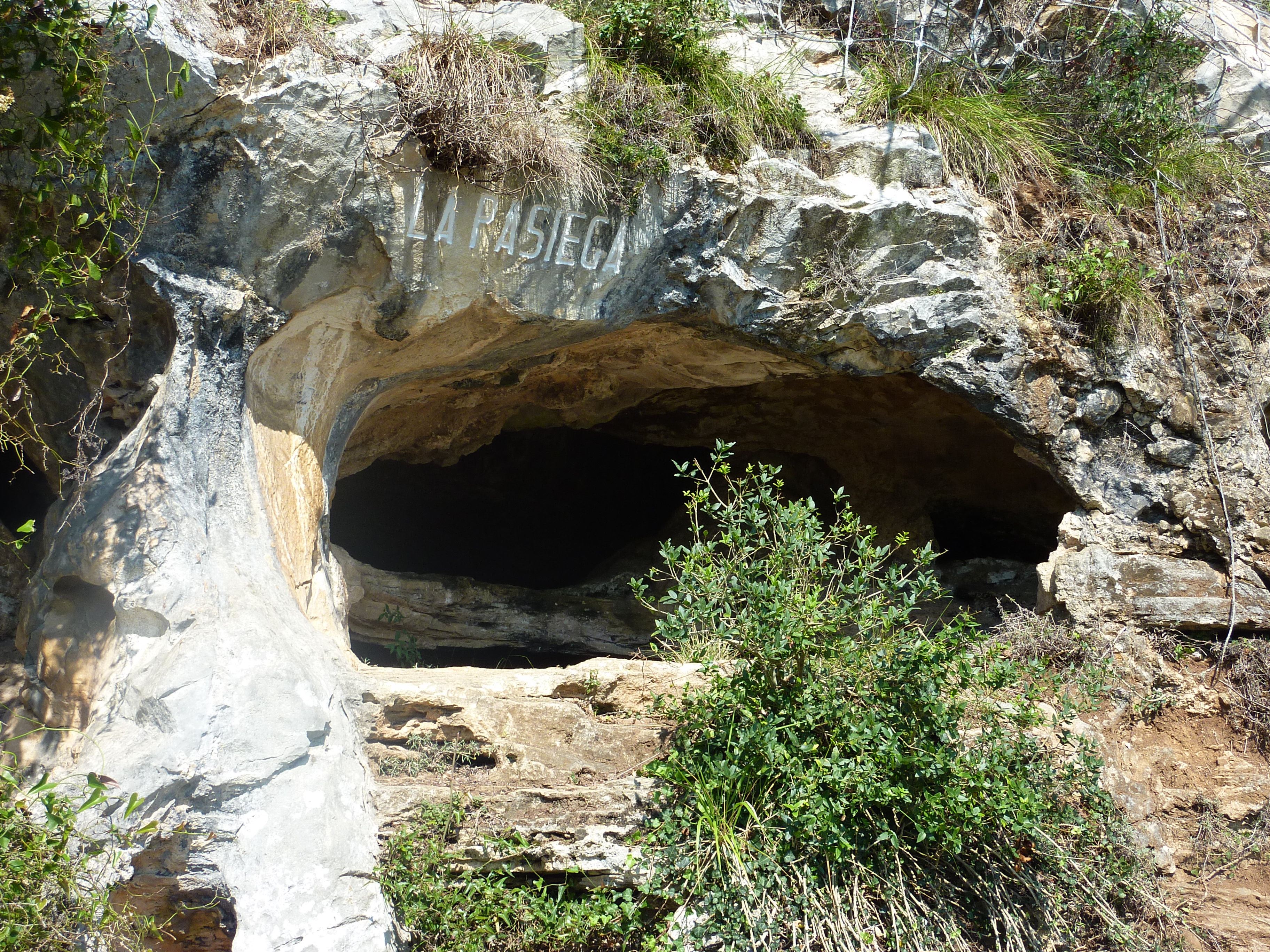
Cave of La Pasiega
Complex cave with Paleolithic rock art.
Tito Bustillo Cave
The Tito Bustillo Cave is a prehistoric rock shelter located in the small town of Ribadesella, in the autonomous community of Asturias, Spain.
Las Capellanías
Prehistoric funerary complex in Huelva, Spain
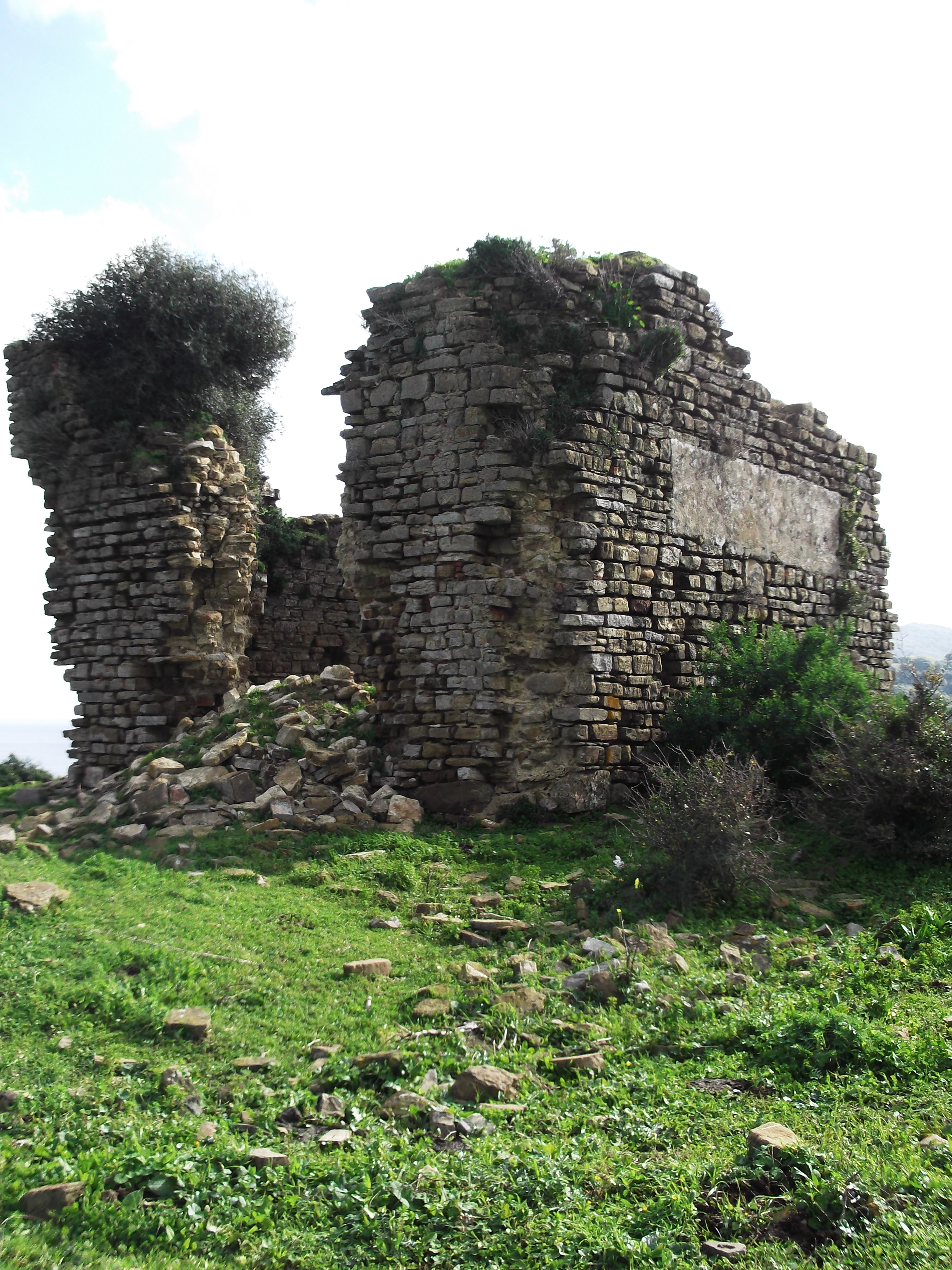
Torre del Arroyo del Lobo
Ruined medieval defensive tower in Spain
Dolmen of Guadalperal
Megalithic dolmen in Extremadura, Spain (3000–2000 BC)