Huelva
Time Periods
Paleolithic
Mesolithic
Neolithic
Chalcolithic
Bronze Age
Iron Age
Classical Period
Post-Classical Period
Early Modern Period
Industrial Period
Contemporary Period
Time Periods
Paleolithic
Mesolithic
Neolithic
Chalcolithic
Bronze Age
Iron Age
Classical Period
Post-Classical Period
Early Modern Period
Industrial Period
Contemporary Period
Location
About
Huelva (US: WHEL-və, Spanish: [ˈwelβa] , locally [ˈɡweɾβa]) is a municipality of Spain and the capital of the province of Huelva, in the autonomous community of Andalusia. Located in the southwest of the Iberian Peninsula, it sits between the estuaries of the Odiel and Tinto rivers on the Atlantic coast of the Gulf of Cádiz. According to the 2010 census, the city had a population of 149,410. While the existence of an earlier pre-Phoenician settlement within the current urban limits since c. 1250 BC has been tentatively defended by scholars, Phoenicians established a stable colony roughly by the 9th century BC. Modern economic activity conformed to copper and pyrite extraction upstream funded by British capital and to the role of its port, as well as with the later development of a petrochemical industry. Huelva is home to Recreativo de Huelva, the oldest football club in Spain.
Plan Your Visit
Details
- Country
- Spain
- Source
- Wikipedia
More Sites in Spain
Segobriga
Explore this archaeological site.
Valencia
Explore this archaeological site.
Córdoba, Spain
Explore this archaeological site.
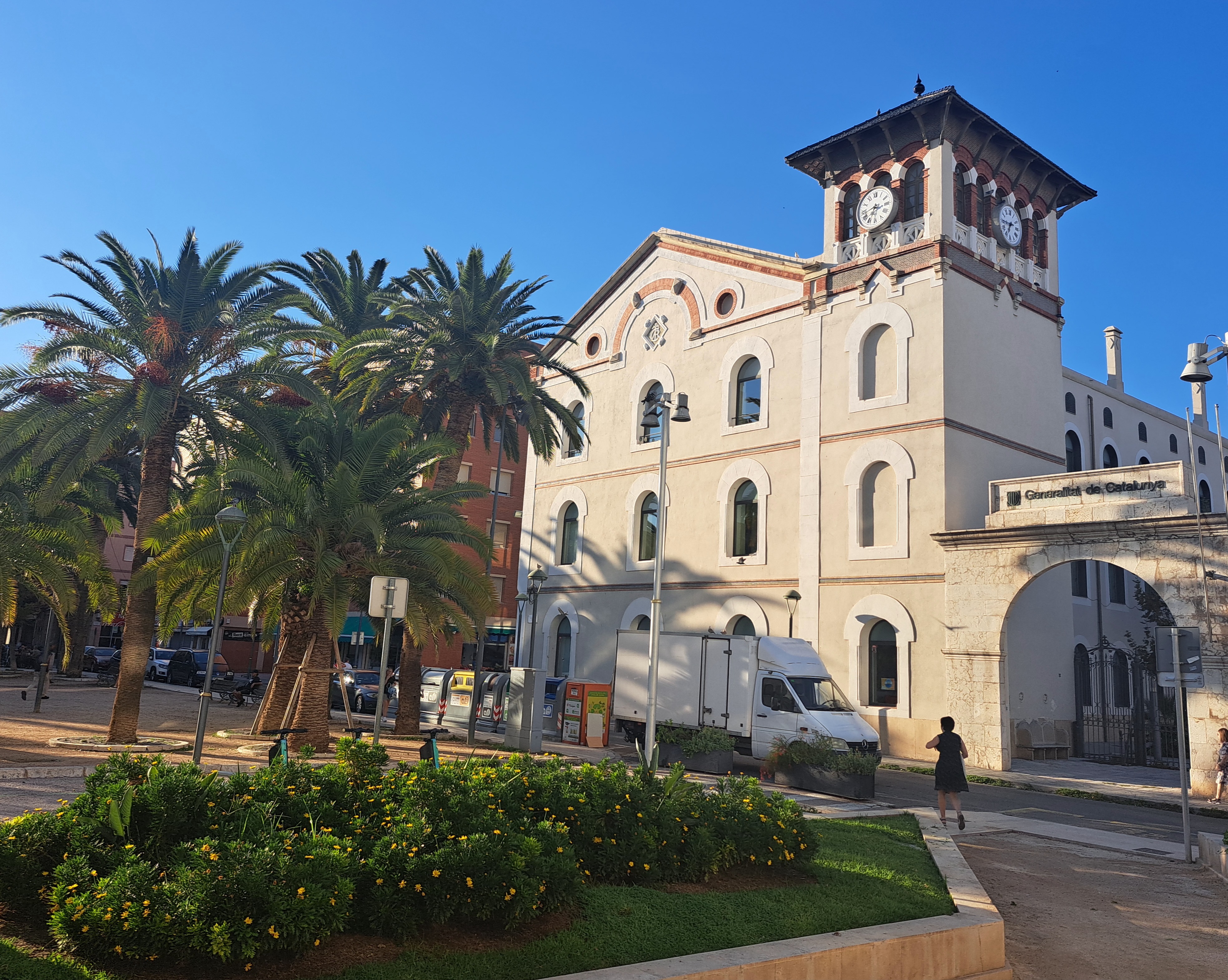
Tarragona
Roman heritage site with ancient ruins
Eastern Biniac naveta
Explore this archaeological site.
Pedra das Cabras
Explore this archaeological site.