
Peñas de Cabrera
The archaeological site Peñas de Cabrera, containing numerous rock shelters, is located in the municipality of Casabermeja (Spain).
Explore the Map
Peñas de Cabrera
36.8944° N, -4.4297° E
About
The archaeological site Peñas de Cabrera, containing numerous rock shelters, is located in the municipality of Casabermeja (Spain). The entire surrounding area of Las Peñas de Cabrera, rife with natural minerals, rocks and fossils, is named after one of its districts of the same name. The entire complex of mountains and valleys consists of many shelters revealing rock art of paintings and engravings. In the early 1970s the University of Málaga began research in Peñas de Cabrera, focusing particularly on its rock and cave paintings. Thereafter the area became well known to the scientific community, as the University had laid the groundwork for all subsequent exploration. The shelters and caves were later studied by eminent researchers who carried out archaeological surveys, tracings,[1] and topographical mappings and drew up an inventory of rock and cave paintings. One hundred and thirty five cave paintings spread out over twenty shelters were discovered. As of 2016 thirty-two rock shelters featuring paintings, engravings and archaeological material, mainly ceramic and flint (Silex), have been recorded. Alongside these are also a number of shelters being studied that show scientific potential, but which are pending investigation depending upon the results of further archaeological surveys.
Plan Your Visit
Tours, travel arrangements, and practical information
Recommended Tours


More Sites in Spain
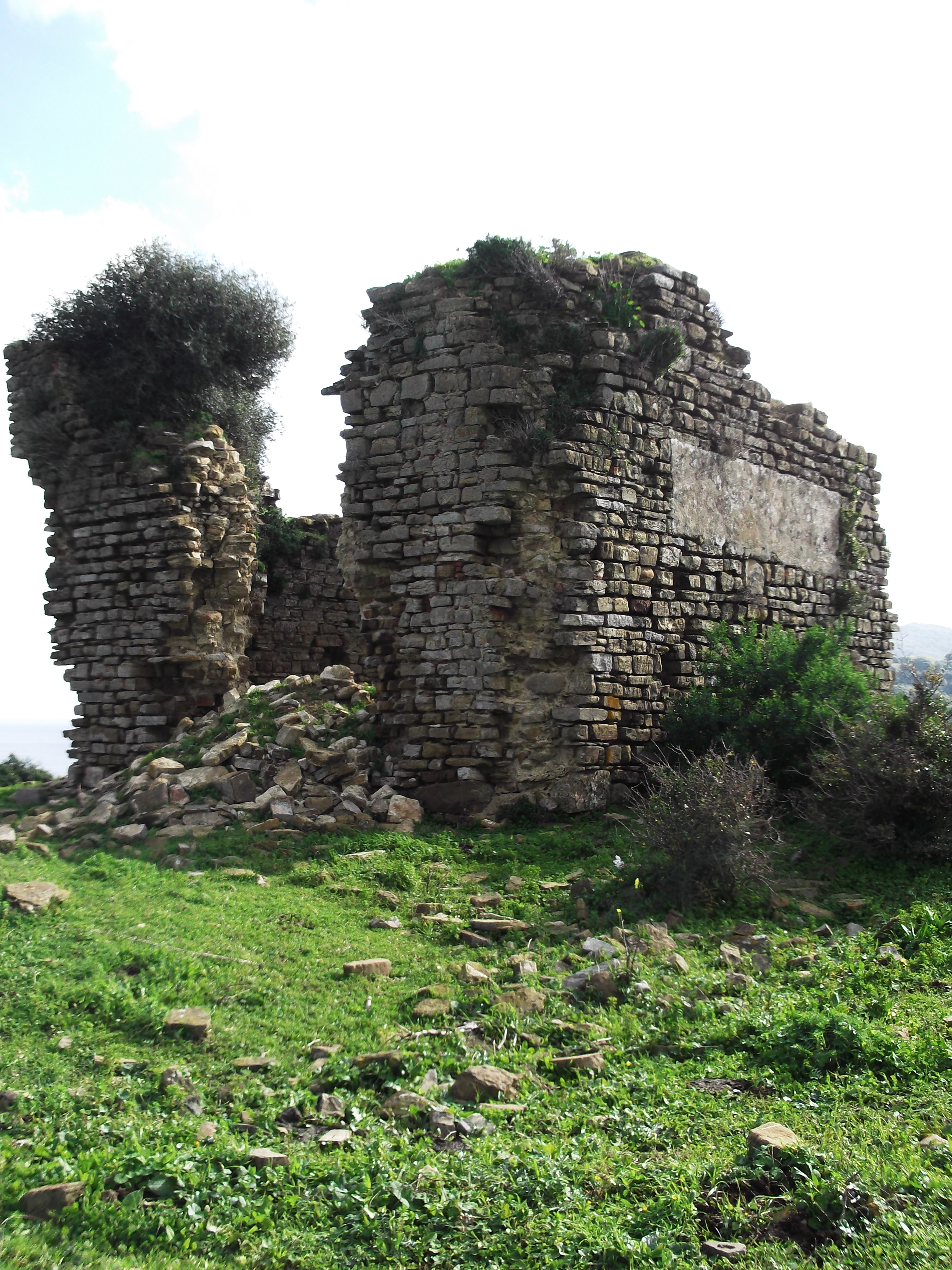
Torre del Arroyo del Lobo
Ruined medieval defensive tower in Spain
Tito Bustillo Cave
The Tito Bustillo Cave is a prehistoric rock shelter located in the small town of Ribadesella, in the autonomous community of Asturias, Spain.
Ca n'Oliver Iberian Settlement and Museum
The Ca n'Oliver Iberian settlement is a very large Iberian settlement found in the Collserola mountain range, in the territory formerly known as Laietania, in present-day Cerdanyola del Vallès.
Castulo
Iberian town and Roman-era settlement in Andalusia, Spain
La Fonteta Phoenician Port
La Fonteta is an ancient Phoenician port city that was located in what is now the town of Guardamar del Segura, Alicante, Spain.
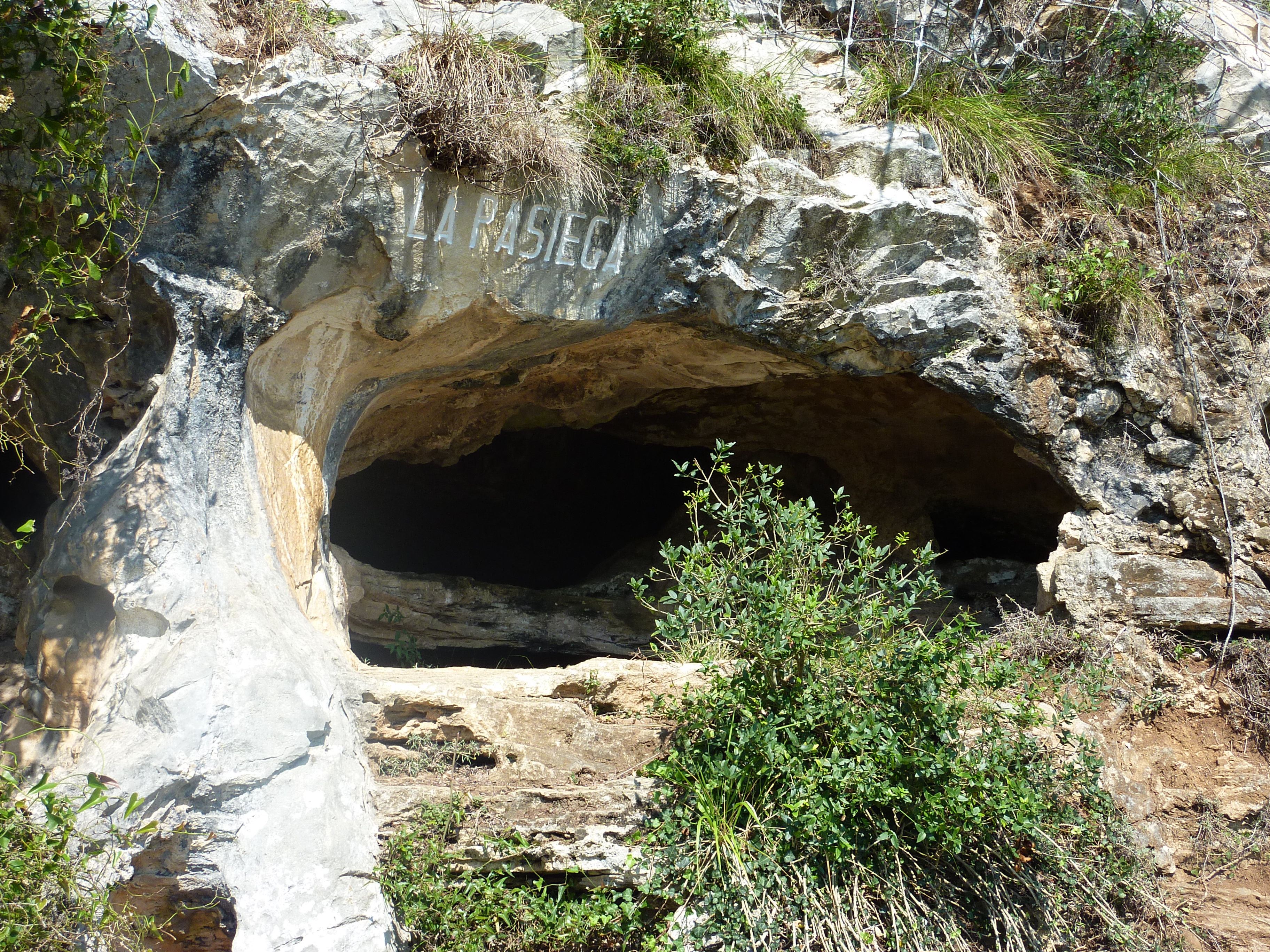
Cave of La Pasiega
Complex cave with Paleolithic rock art.