Explore the Map
Segeda
41.3012° N, -1.5174° E
About
Segeda is an ancient settlement, between today's Belmonte de Gracián and Mara in the province of Zaragoza, Aragon, Spain. Originally it was a Celtiberian town, whose inhabitants, the Belli, gave it the name Sekeida or Sekeiza. According to the Periochae, in 153 BC, the Roman Senate changed the first day of the consular year to 1 January in order to allow consul Quintus Fulvius Nobilior to attack the city of Segeda during the Celtiberian Wars. The city was destroyed during the war but, soon after, a new settlement was built on a nearby site. Coinage shows it had the same name as the old settlement, but "Segeda II" (as archeologists have named it) was under Roman influence, obvious from the rectilinear layout of streets and other features. During the events of the Roman Civil War, "Segeda II" was ruined, and after 49 BC it was abandoned permanently. In 1998 excavations began in the area, bringing this ancient settlement into prominence.
Historical Timeline
Journey through time and discover key events in this site's history
Ruination during Roman Civil War
1st century BC
Final abandonment of Segeda II
after 49 BC
Roman attack on Segeda
153 BC
Modern excavations begin
1998
Archaeological Features
Unique architectural and cultural elements found at this historical site
Artistic and Decorative Features
Domestic and Habitation Structures
Transportation and Communication Structures
Frequently Asked Questions
Plan Your Visit
Tours, travel arrangements, and practical information

More Sites in Spain
Castulo
Iberian town and Roman-era settlement in Andalusia, Spain
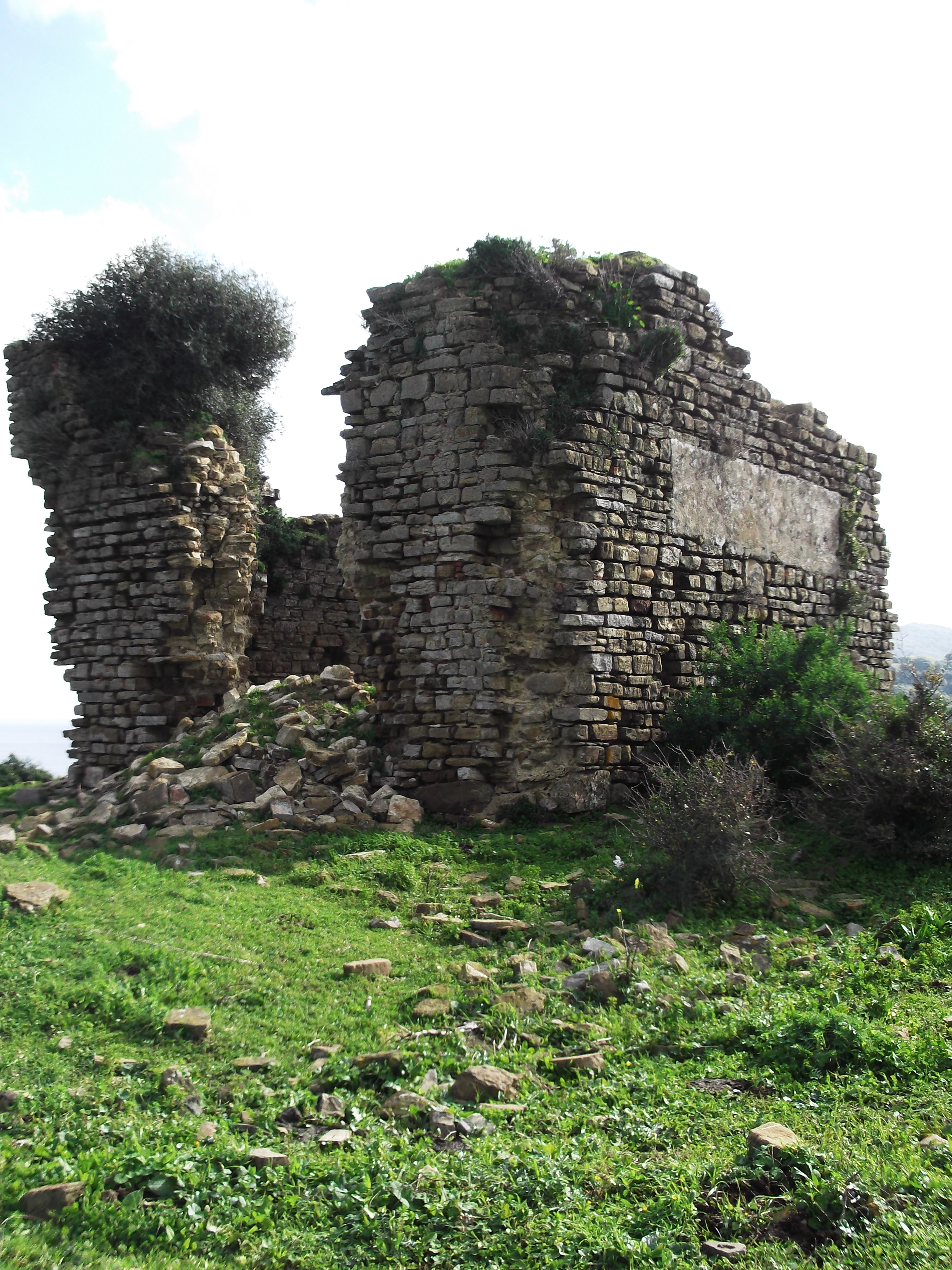
Torre del Arroyo del Lobo
Ruined medieval defensive tower in Spain
Calatrava la Vieja
Medieval fortress and town in Castile‑La Mancha, Spain
Castro de Borneiro
Iron Age castro in Galicia, Spain
La Olmeda
Late Antique Roman villa, Palencia, Spain
La Fonteta Phoenician Port
La Fonteta is an ancient Phoenician port city that was located in what is now the town of Guardamar del Segura, Alicante, Spain.