Explore the Map
Ajvide Settlement
57.2811° N, 18.1691° E
About
The Ajvide Settlement is an archaeological site located on the western coast of Gotland, Sweden, spanning an area of 200,000 square meters. It was occupied from the Late Mesolithic until the mid-Bronze Age, with significant activity during the Middle Neolithic period associated with the Pitted Ware culture. The site's primary feature is a burial ground with approximately 80 graves, some of which contain multiple individuals or are cenotaphs. Adjacent to the cemetery is a 'black area' of dark soil rich in artifacts, possibly indicating ceremonial functions or seal oil processing. A substantial faunal assemblage points to a diverse subsistence strategy, including hunting and fishing, with a focus on marine resources during the Pitted Ware phase, and later resurgence of cattle and sheep herding. The site provides valuable insights into the transition from foraging to farming in prehistoric Scandinavia.
Historical Timeline
Journey through time and discover key events in this site's history
Late Mesolithic occupation
3100 BCE
Middle Neolithic Pitted Ware culture
3100 BCE, 2700 BCE
Marine transgression event
2900 BCE
Cattle and sheep reintroduced
Late Neolithic
Archaeological Features
Unique architectural and cultural elements found at this historical site
Burial and Funerary Structures
Environmental and Natural Features
Food Production and Processing Features
Frequently Asked Questions
Plan Your Visit
Tours, travel arrangements, and practical information
More Sites in Sweden
Massleberg 1 rock art
Bronze Age carvings on Swedish rock face
Greby
Iron Age grave field in Bohuslän, Sweden
Bulverket
Large wooden fortification in Lake Tingstäde
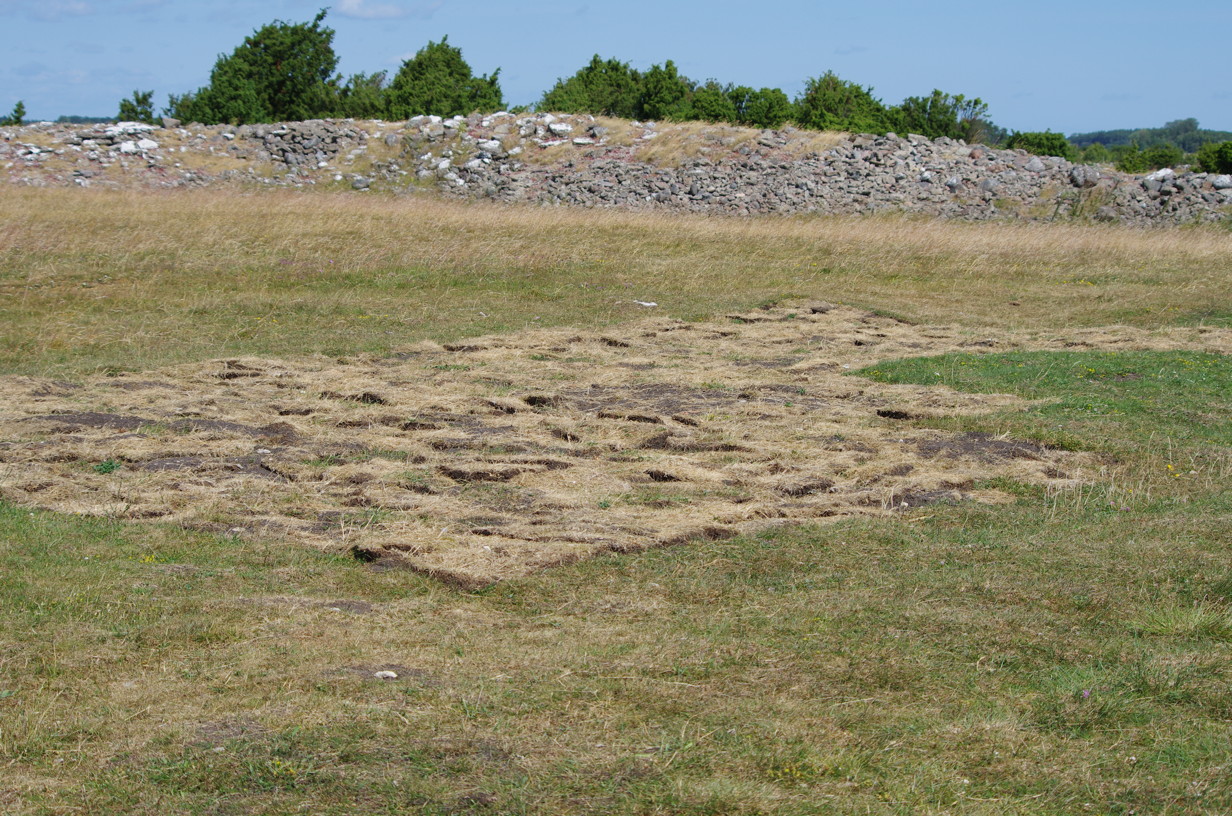
Sandby borg
Iron Age ringfort with massacre evidence
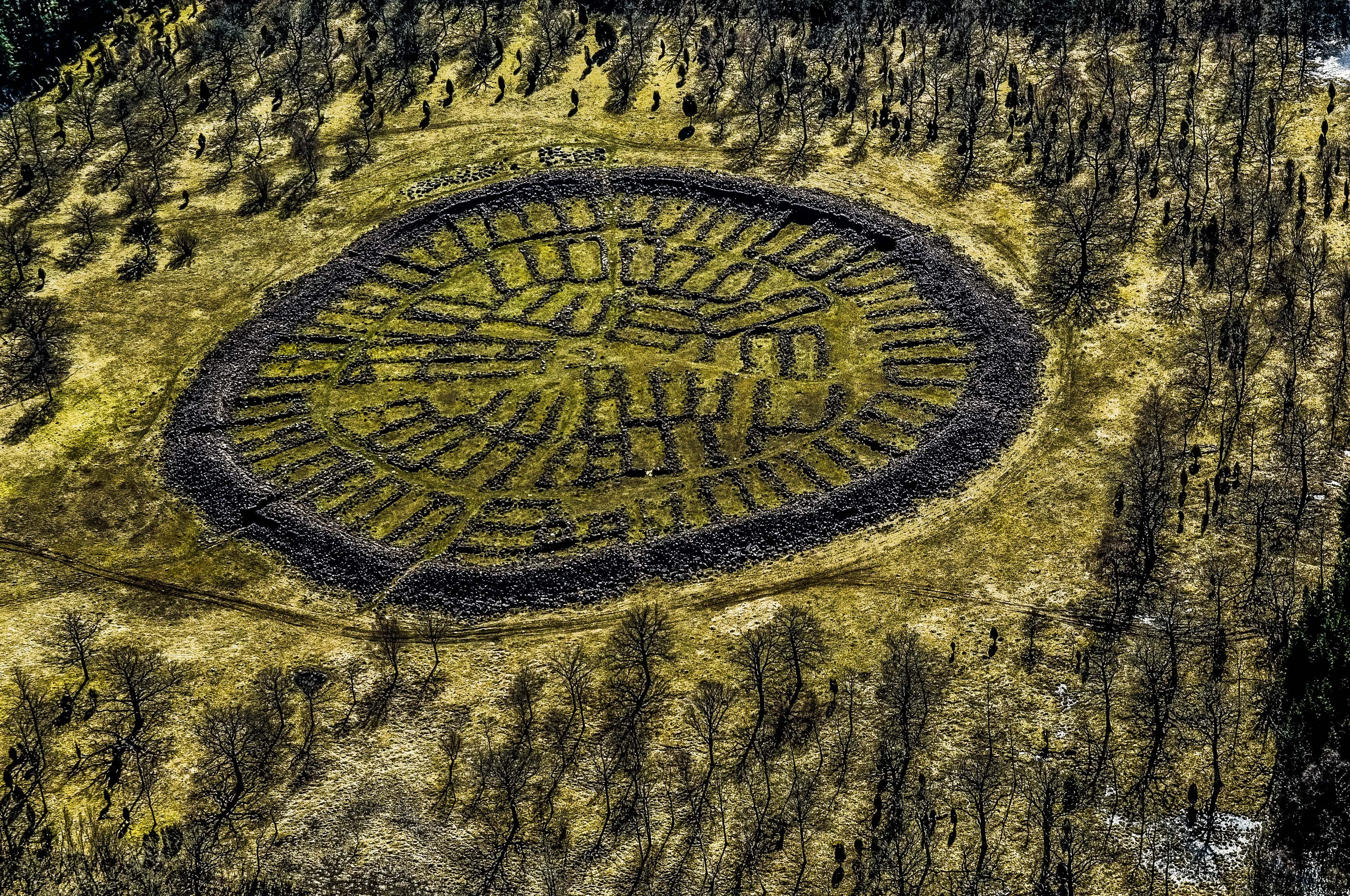
Ismantorp Fortress
Limestone ringfort with 95 houses
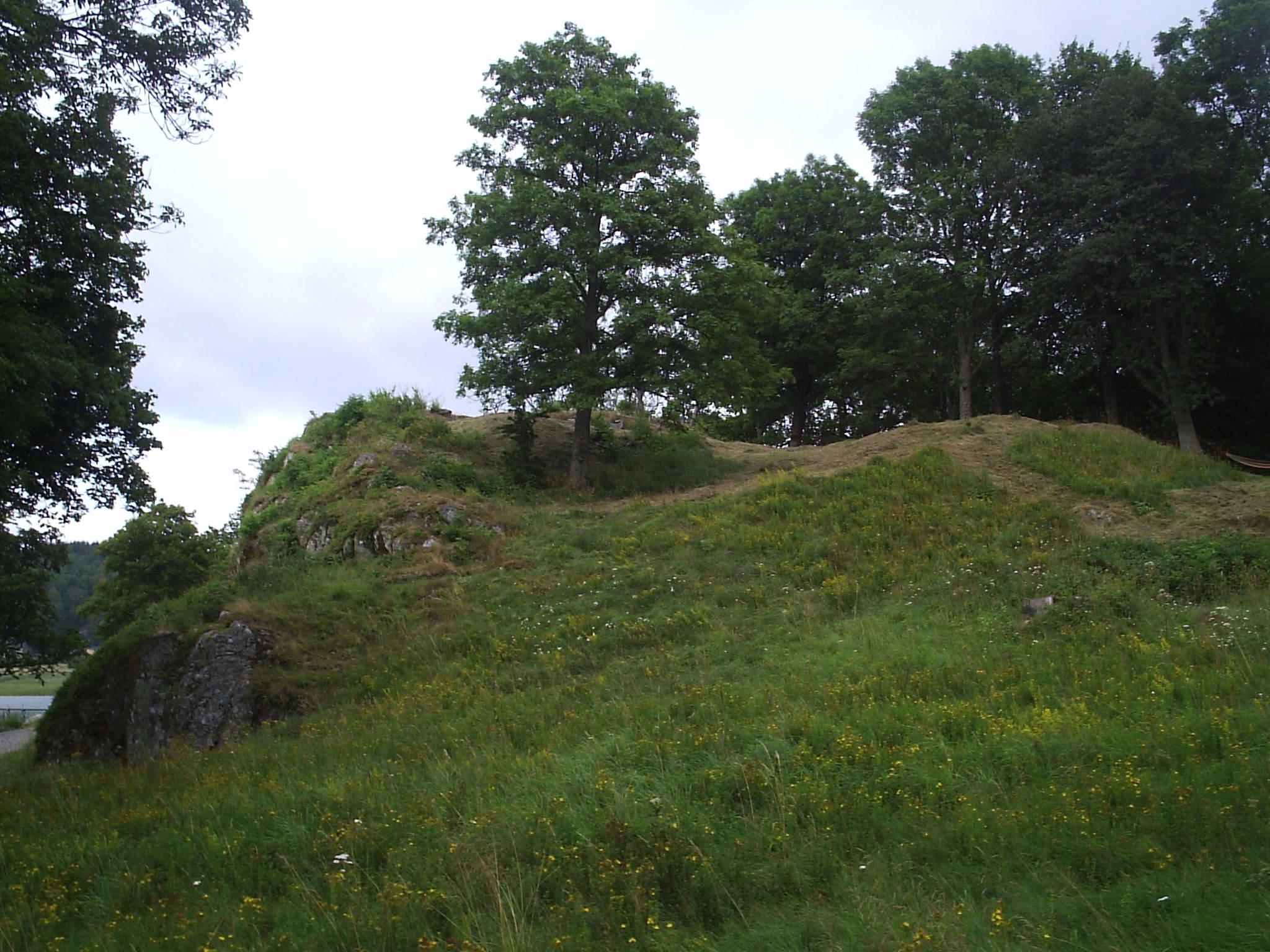
Dynge Castle
Motte-and-bailey castle ruin in Bohuslän