Explore the Map
Lapphyttan
60.0757° N, 16.0708° E
About
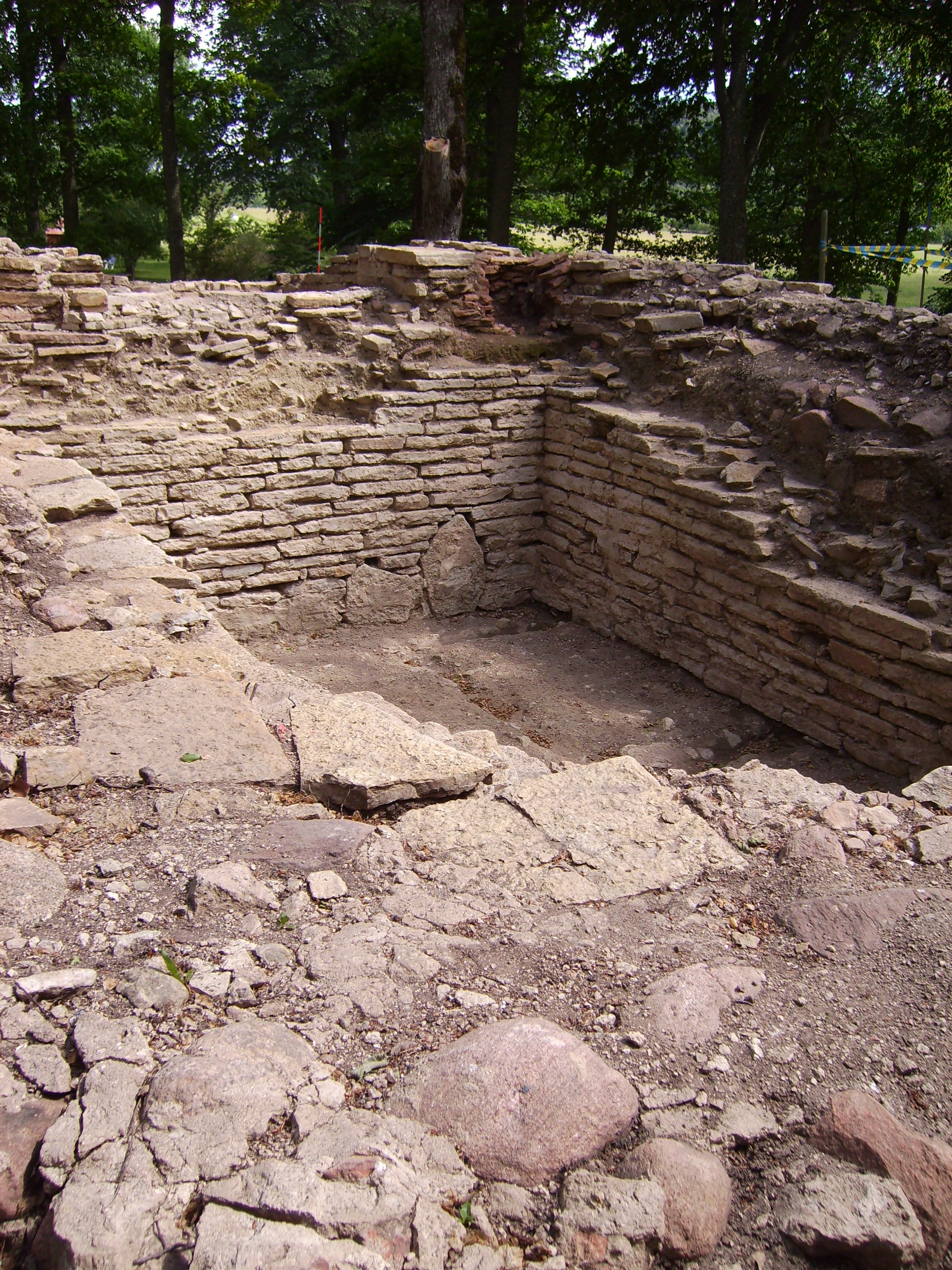
Lapphyttan or Lapphyttejarn in Norberg Municipality, Sweden, may be regarded as the type site for the Medieval Blast Furnace. Its date is probably between 1150 and 1350. It produced cast iron, which was then fined to make ferritic wrought iron cake or bun-like blooms. These were then cut into lumps for trade. It is thought that they correspond to the iron pieces known as osmonds. Osmonds occur in English Customs records in the 1250s and seem to be alluded to in a commercial treaty with Novgorod in 1203. Lapphyttan is a part of Ecomuseum Bergslagen. Furnaces of this type have also been identified in Mark (Märkische Sauerland) in Westphalia and north of the Schwäbische Alb both in Germany.
Historical Timeline
Journey through time and discover key events in this site's history
Active production period
c. 1150–1350
Commercial treaty referencing osmonds
1203
Osmonds in English customs records
1250s
Archaeological Features
Unique architectural and cultural elements found at this historical site
Industrial and Craft Structures
Frequently Asked Questions
Plan Your Visit
Tours, travel arrangements, and practical information
More Sites in Sweden
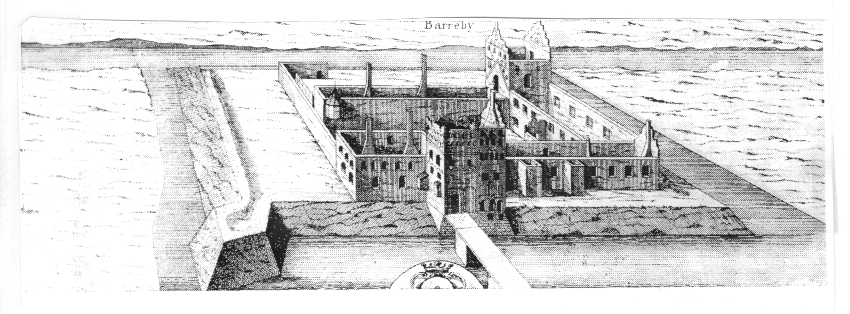
Borgeby Castle
Medieval castle with Viking Age origins.
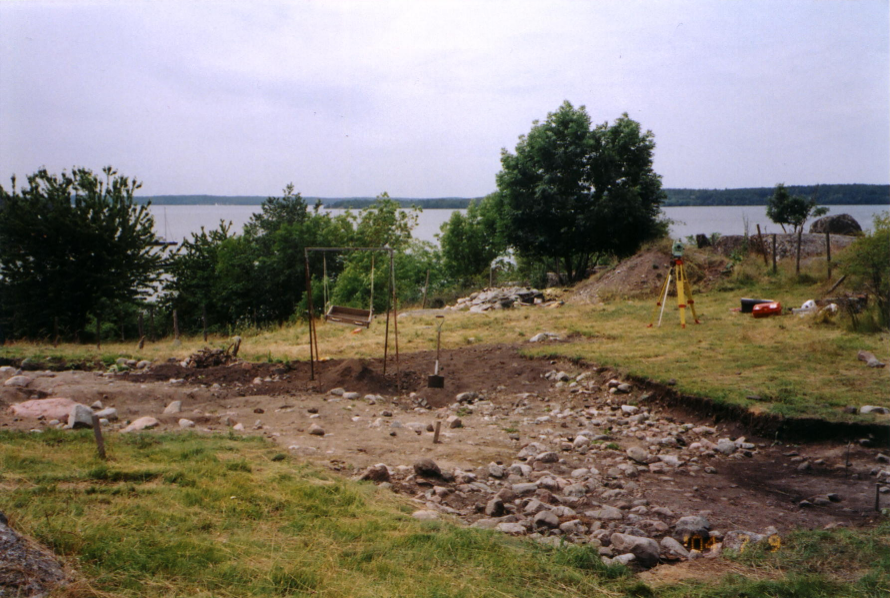
Bulverket
Large wooden fortification in Lake Tingstäde
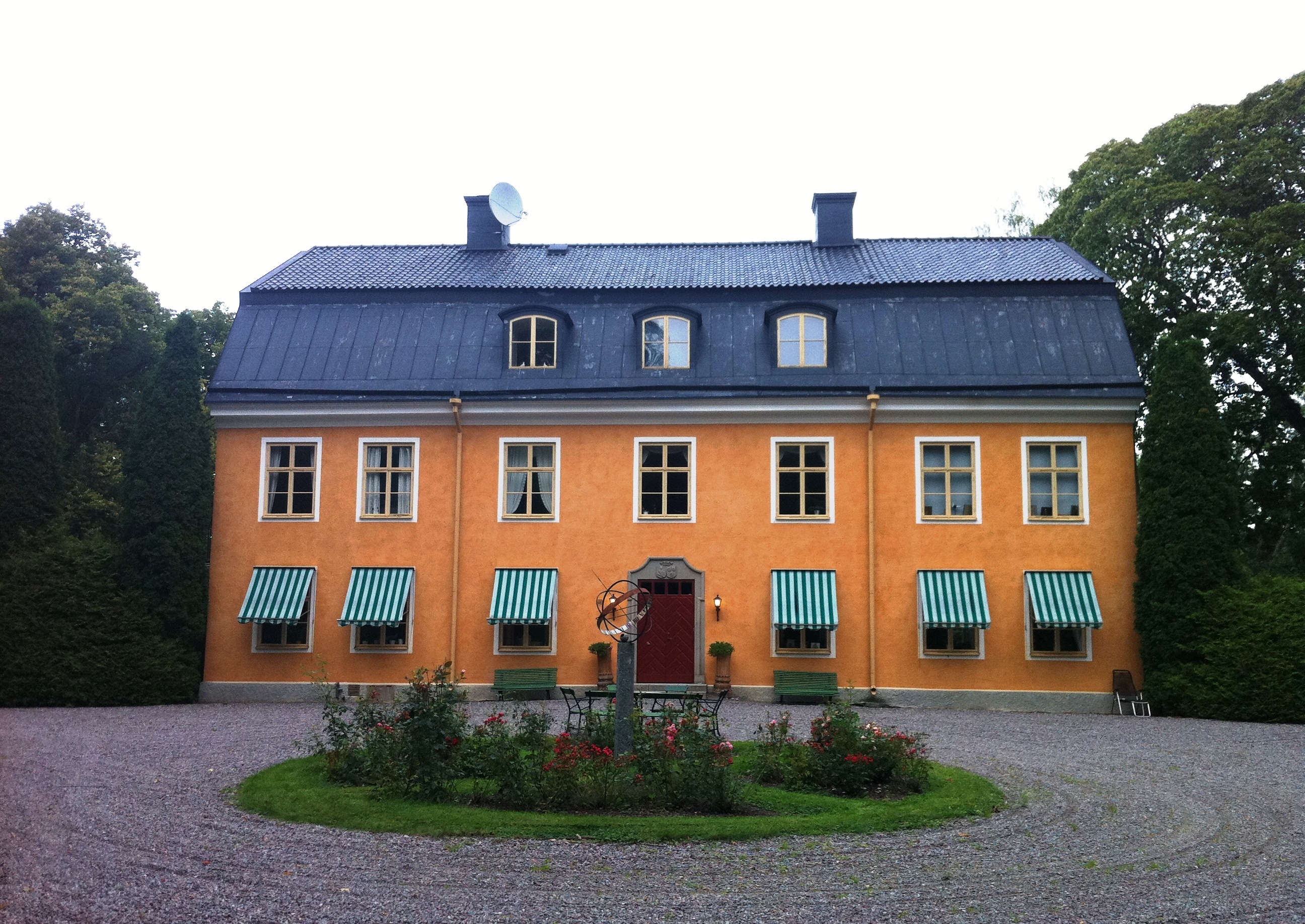
Signhildsberg
Ancient royal estate with halls and graves
Birka
Viking Age trading center on Björkö island.
Uppåkra
Iron Age settlement in Scania, Sweden.
Kata Farm
Viking-age estate with early Christian church