Explore the Map
Uppåkra
55.6667° N, 13.1700° E
About
Uppåkra, located in Scania, southern Sweden, is an archaeological site known for its extensive Iron Age remains. Established in the last century BCE, the site rose to prominence in the 5th century CE, becoming a significant religious and political center. Excavations have revealed it as one of the richest Scandinavian settlements from the Iron Age to the Viking Age. Notable features include a pre-Christian temple and longhouses, indicating its role as a major cult and habitation site. Despite its decline and partial relocation to Lund in the 10th century CE, Uppåkra remains a crucial link in understanding the region's prehistoric and early historic period, providing insights into Scandinavian religious practices and social structures.
Historical Timeline
Journey through time and discover key events in this site's history
Foundation of Uppåkra
1st century BCE
Increased Importance
5th century CE
Construction of Longhouse
5th or 6th century CE
Decline and Relocation
990s CE
Archaeological Features
Unique architectural and cultural elements found at this historical site
Religious and Ritual Structures
Domestic and Habitation Structures
Environmental and Natural Features
Frequently Asked Questions
Plan Your Visit
Tours, travel arrangements, and practical information
More Sites in Sweden
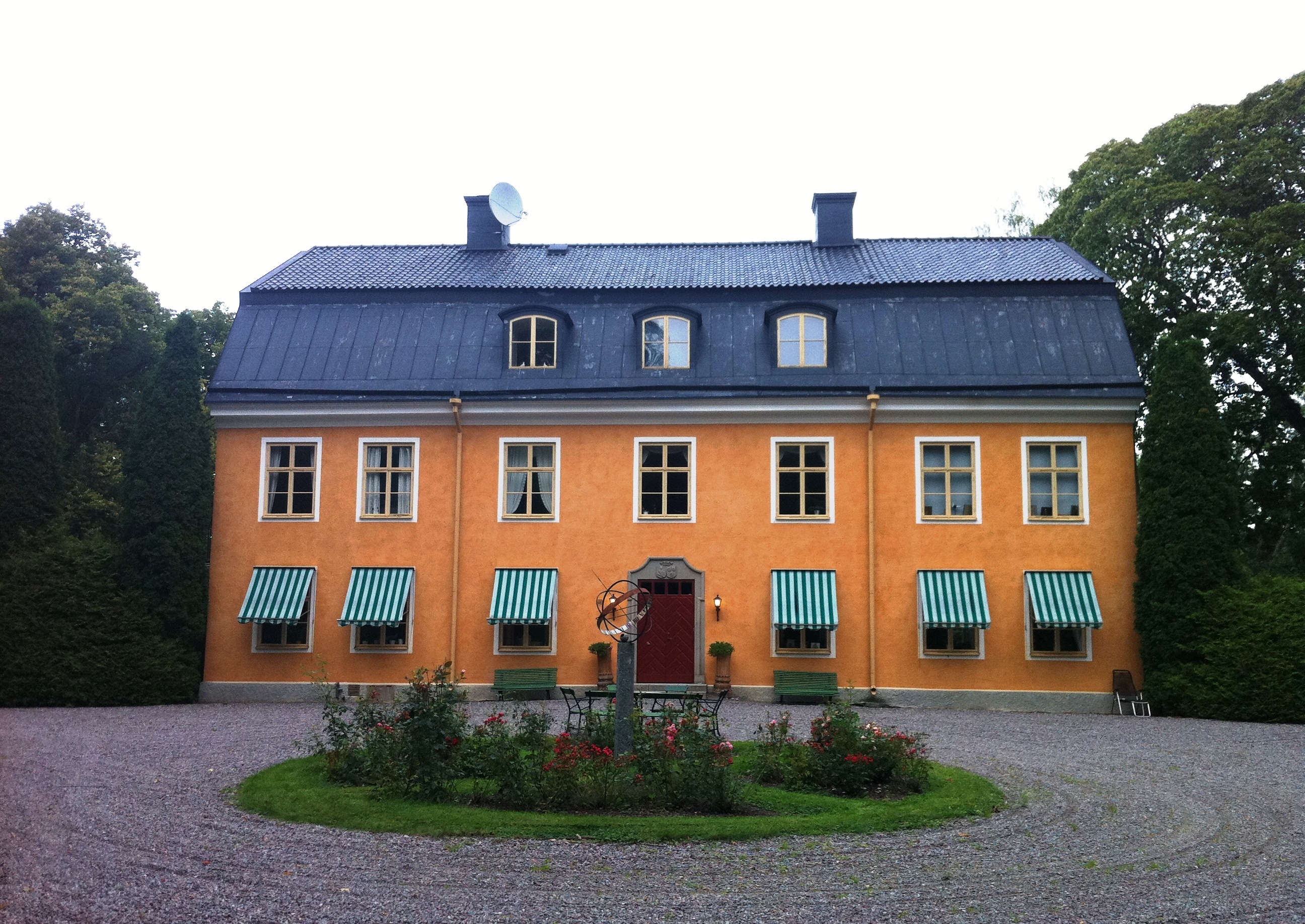
Signhildsberg
Ancient royal estate with halls and graves
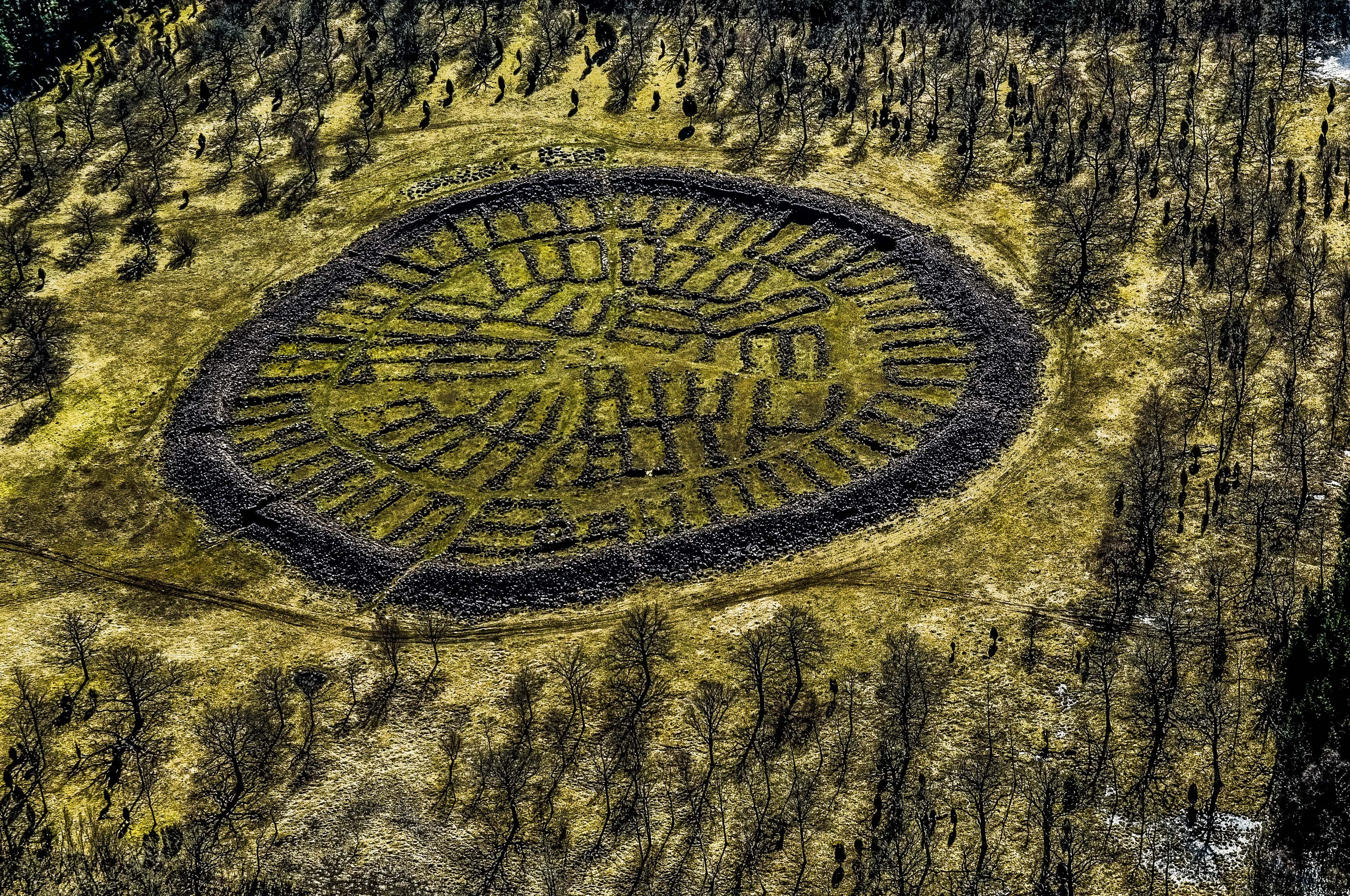
Ismantorp Fortress
Limestone ringfort with 95 houses
Finnestorp
Migration Period cult site with war booty.
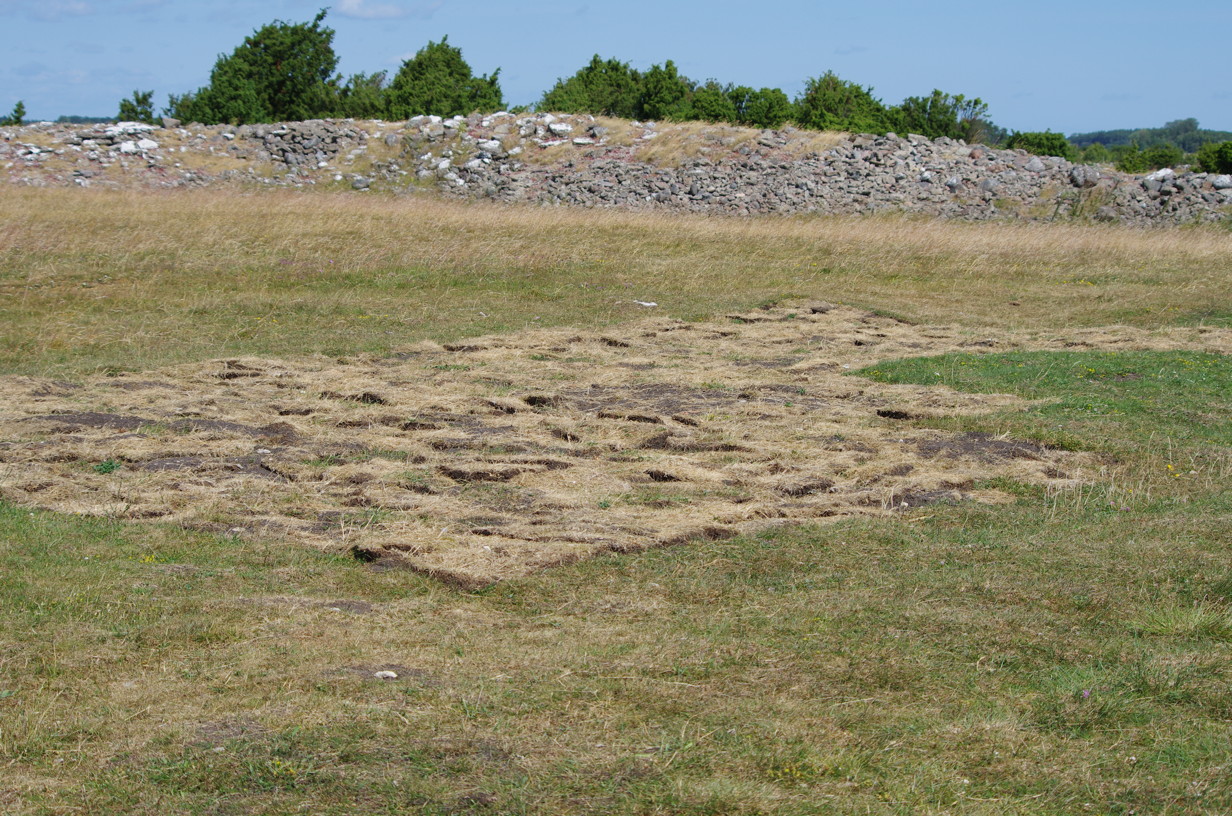
Sandby borg
Iron Age ringfort with massacre evidence
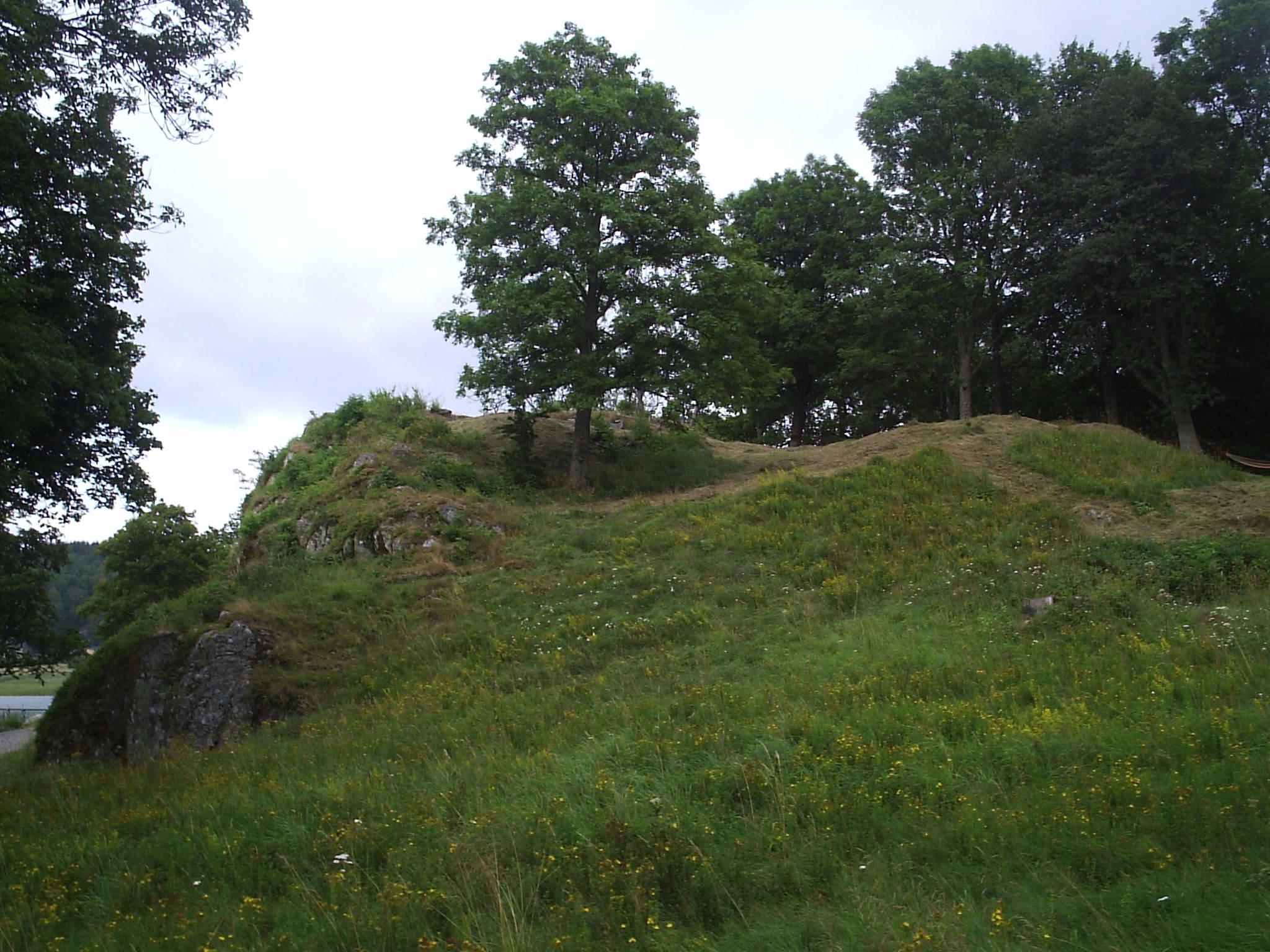
Dynge Castle
Motte-and-bailey castle ruin in Bohuslän
Vätteryd
Iron Age grave field in Scania, Sweden