Time Periods
Paleolithic
Mesolithic
Neolithic
Chalcolithic
Bronze Age
Iron Age
Classical Period
Post-Classical Period
Early Modern Period
Industrial Period
Contemporary Period
Time Periods
Paleolithic
Mesolithic
Neolithic
Chalcolithic
Bronze Age
Iron Age
Classical Period
Post-Classical Period
Early Modern Period
Industrial Period
Contemporary Period
Location
About
Skalunda, located in Västergötland, Sweden, is a site of significant archaeological interest, reflecting its importance during the Iron Age and early medieval period. The village is home to Skalunda Church, a Romanesque structure built in the 12th century, which served as a mission church. The church's construction features finely hewn sandstone blocks, and it includes elements added in later centuries, such as a belfry from 1772 containing bells from the medieval period. Nearby, the prominent Skalunda Barrow is a large burial mound dating to the 6th century CE, suggesting its use as a significant funerary site. This site is speculated to be linked to the legendary Geatish king Beowulf. Additionally, the presence of a stone circle adjacent to the barrow further highlights the ritual and ceremonial significance of the area. Skalunda serves as a testament to the rich cultural and historical tapestry of early Sweden.
Gallery
Explore photographs of ancient structures, artifacts, and archaeological excavations at Skalunda
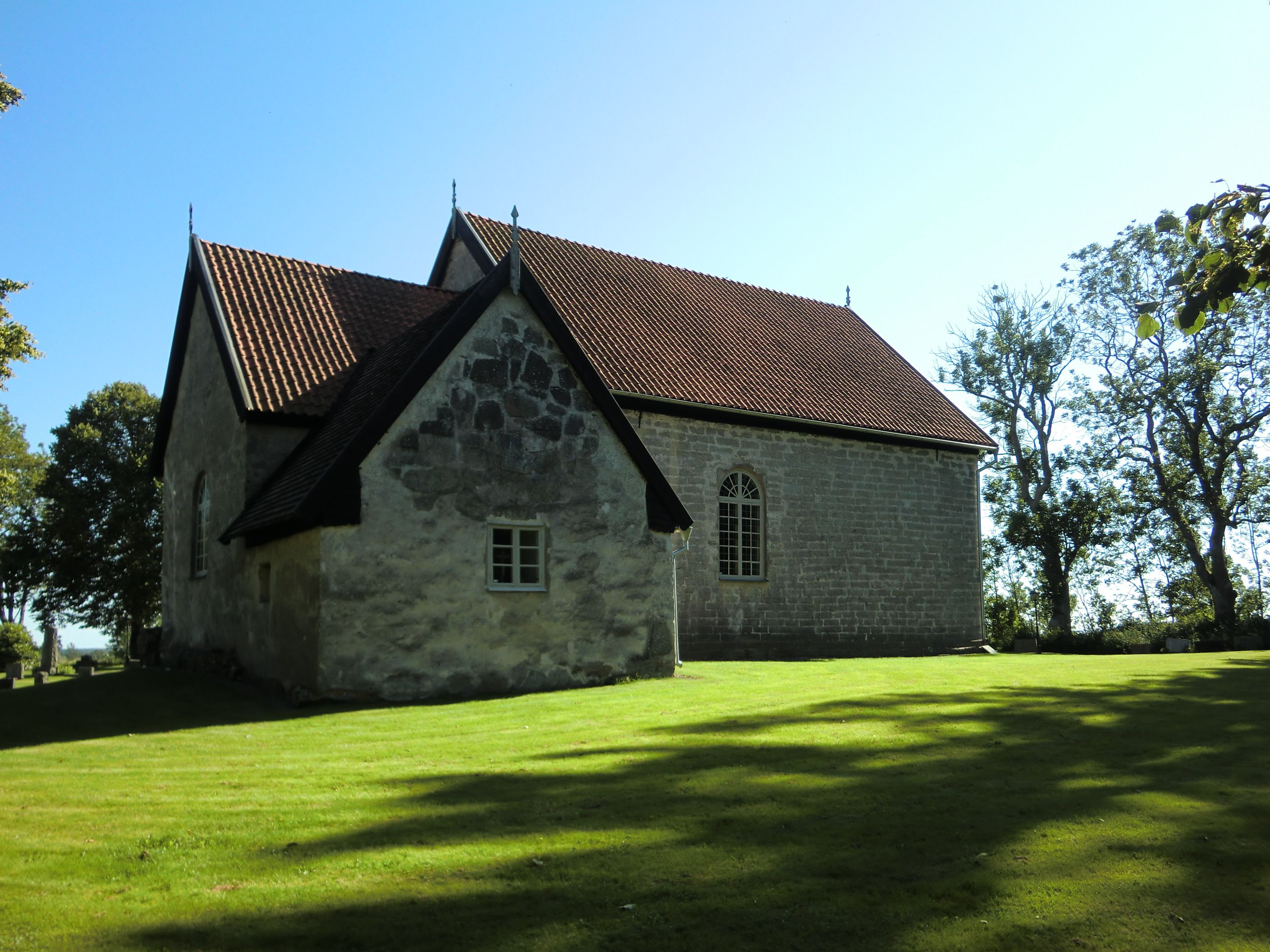
Archaeological Features
Explore the unique architectural and cultural elements found at this historical site
Burial and Funerary Structures
Religious and Ritual Structures
Historical Timeline
Journey through time and discover key events in this site's archaeological history
Plan Your Visit
Details
- Country
- Sweden
- Source
- Wikipedia
More Sites in Sweden
Alby, Öland
Ancient settlement on limestone ridge
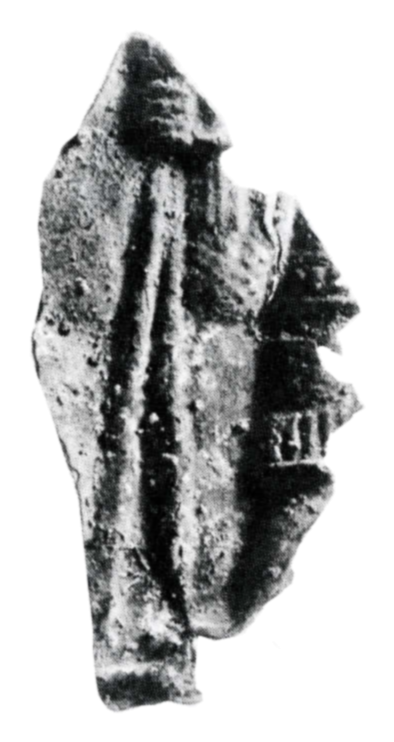
Gamla Uppsala
Historic burial and religious site in Sweden
Uppåkra
Iron Age settlement in Scania, Sweden.
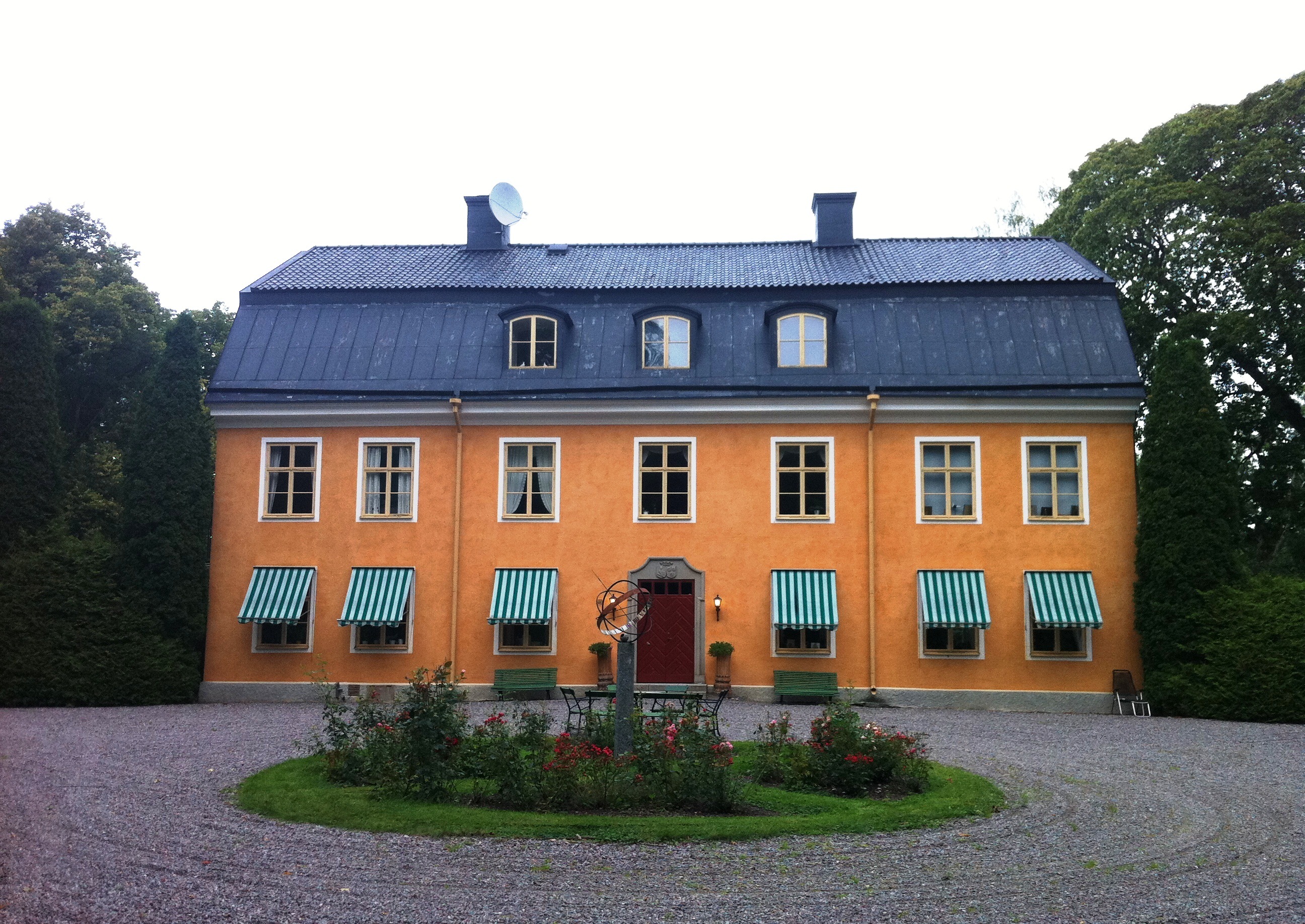
Signhildsberg
Ancient royal estate with halls and graves
Gene fornby
Reconstructed Iron Age settlement in Sweden
Vendel
Ancient royal estate with boat burials.