Explore the Map
Gamla Uppsala
59.8970° N, 17.6290° E
About
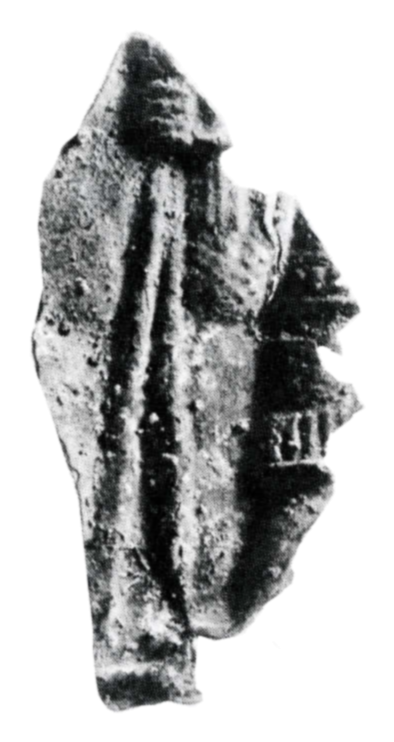
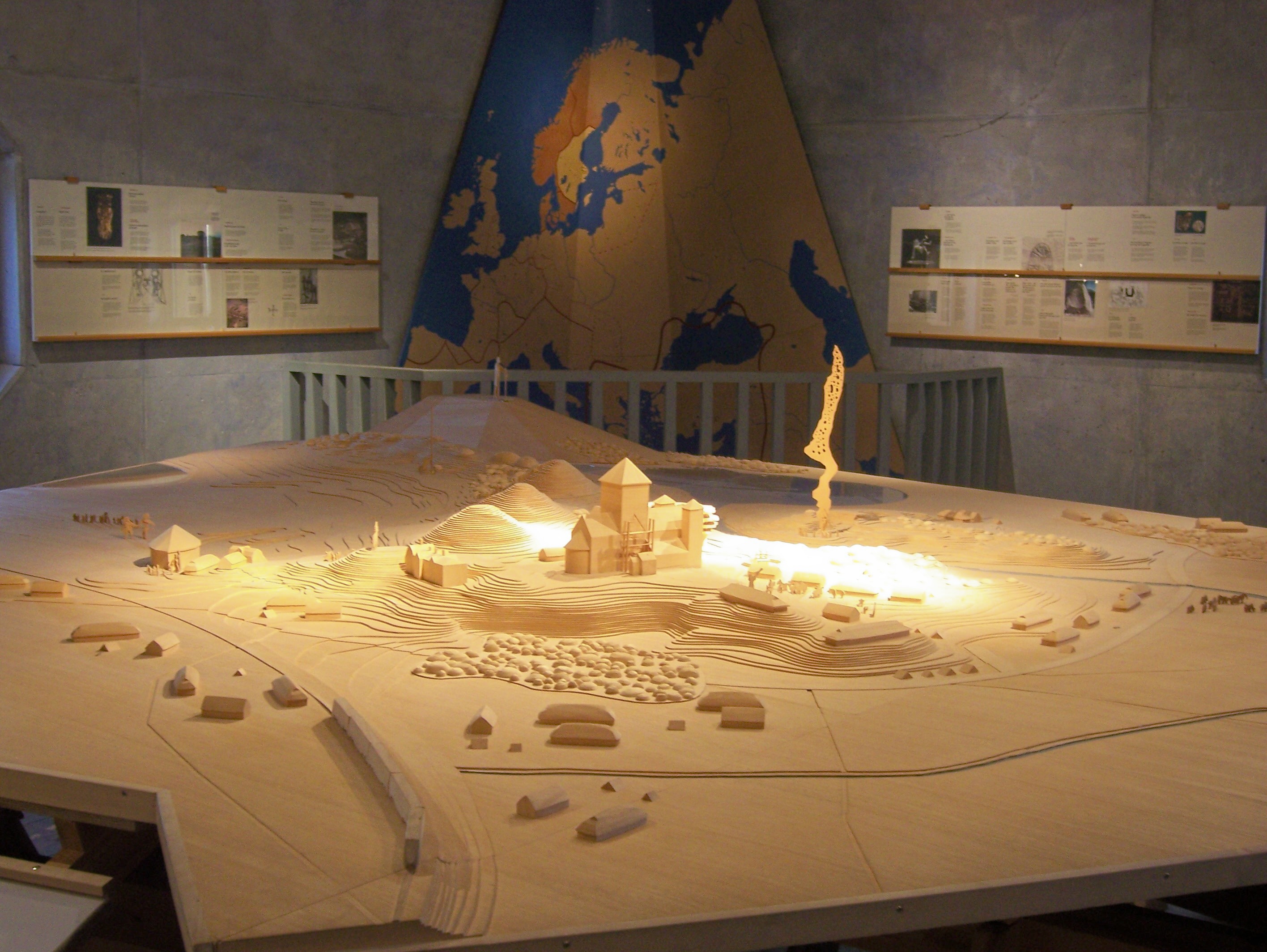
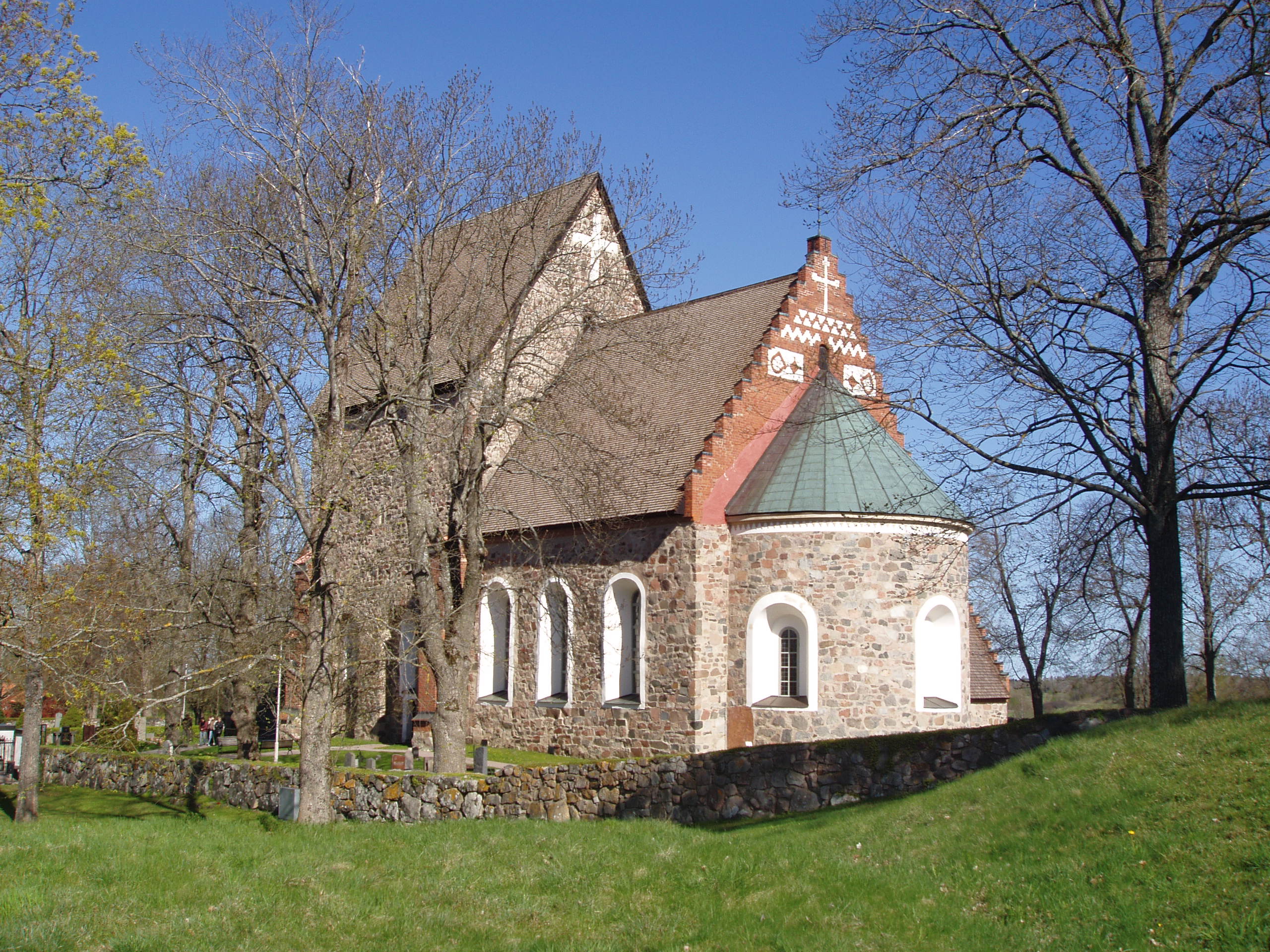
Gamla Uppsala is a significant archaeological site located in Sweden, known for its historical and religious importance. The site was a prominent center of religious, economic, and political activity from the 3rd century CE onwards. It is famous for the Royal Mounds, large burial mounds that date back to the 5th and 6th centuries, believed to be the resting places of ancient Swedish kings of the Yngling dynasty. In addition to its burial mounds, Gamla Uppsala was a major Norse religious center, housing the Temple at Uppsala, where human sacrifices were reportedly made. The site also became the seat of Sweden's first archbishopric in 1164 CE. Today, it remains a vital link to Sweden's pre-Christian and medieval history, with its archaeological remains offering insights into the country's ancient cultural and religious practices.
Gallery
Explore photographs of ancient structures, artifacts, and archaeological excavations
Historical Timeline
Journey through time and discover key events in this site's history
Religious and Political Center
200 CE
Royal Burials
500 CE
Archbishopric Established
1164 CE
Archaeological Features
Unique architectural and cultural elements found at this historical site
Burial and Funerary Structures
Religious and Ritual Structures
Environmental and Natural Features
Plan Your Visit
Tours, travel arrangements, and practical information
More Sites in Sweden
Uppåkra
Iron Age settlement in Scania, Sweden.
Finnestorp
Migration Period cult site with war booty.
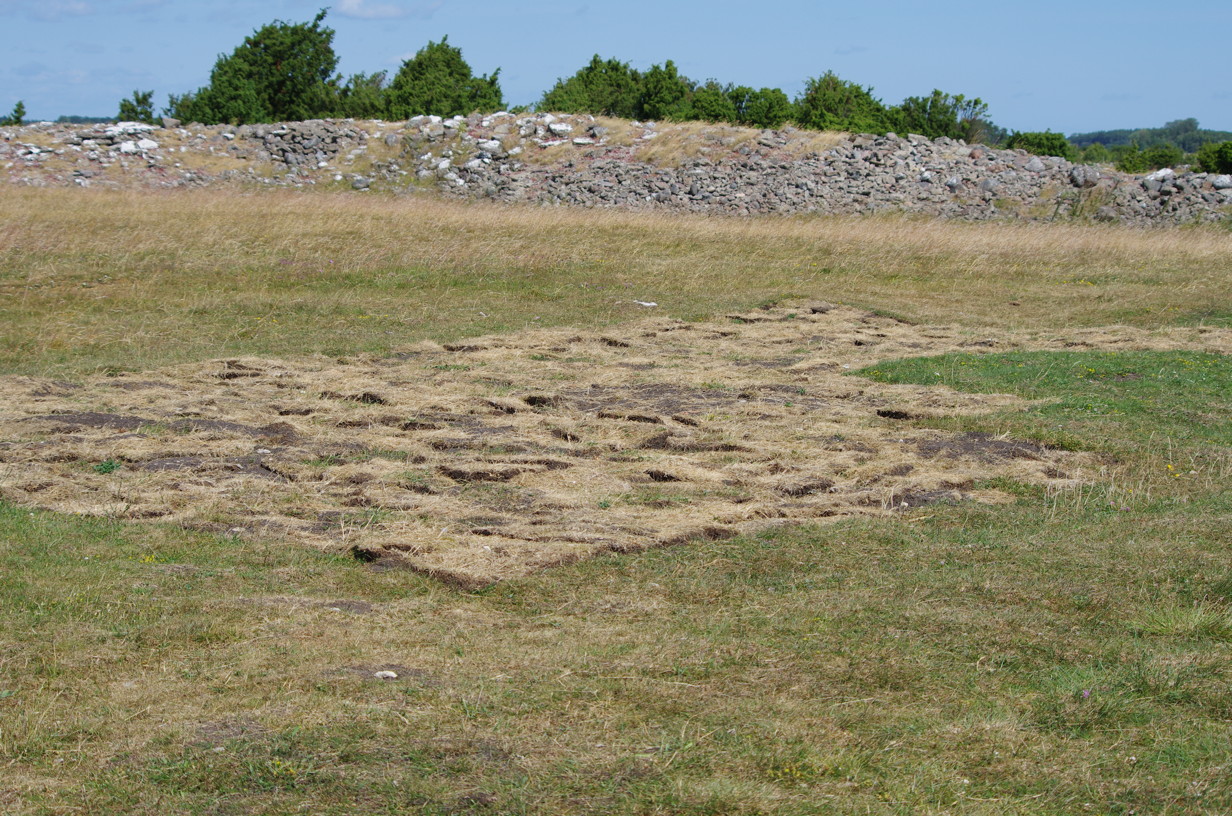
Sandby borg
Iron Age ringfort with massacre evidence
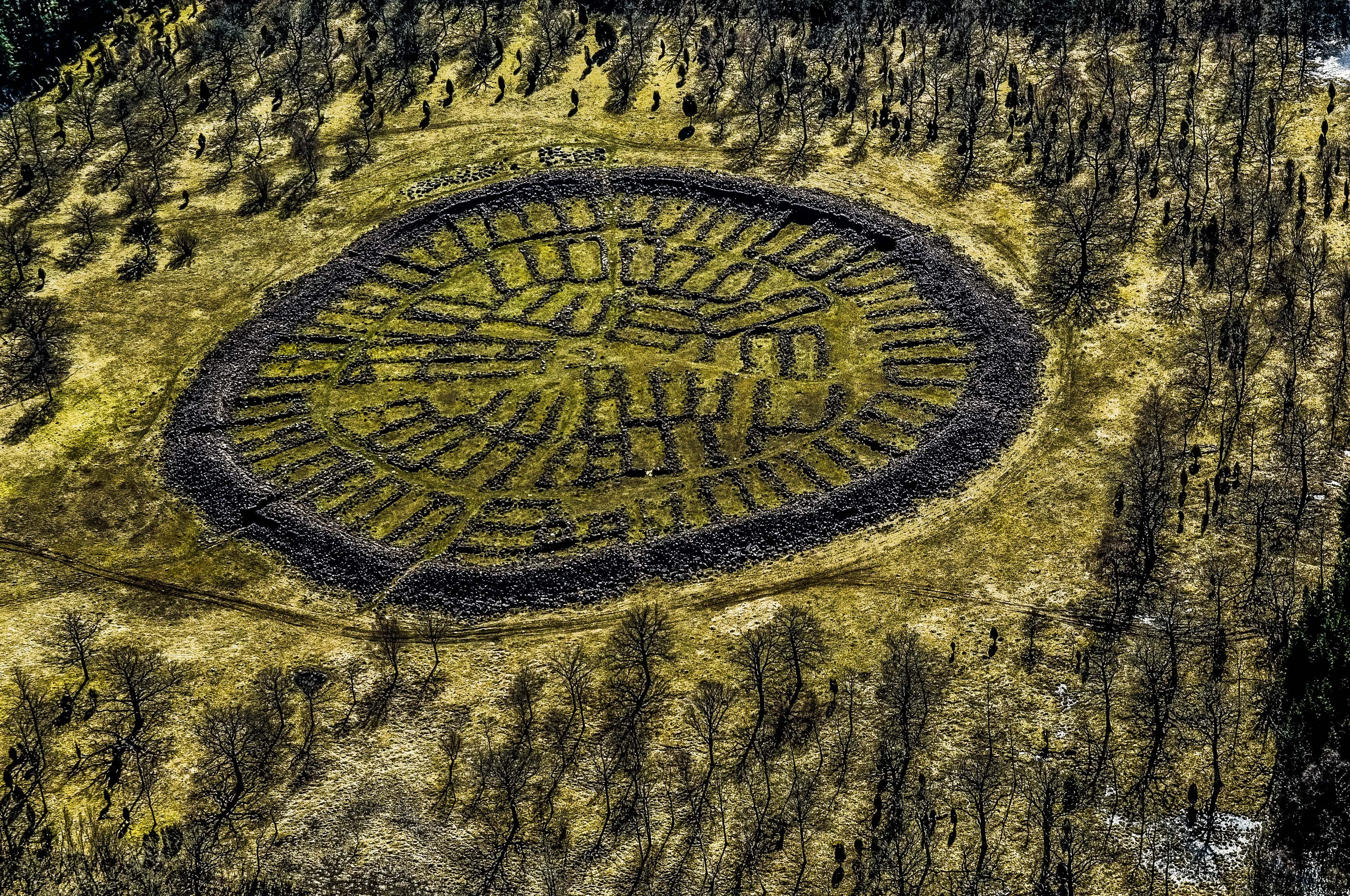
Ismantorp Fortress
Limestone ringfort with 95 houses
Bulverket
Large wooden fortification in Lake Tingstäde
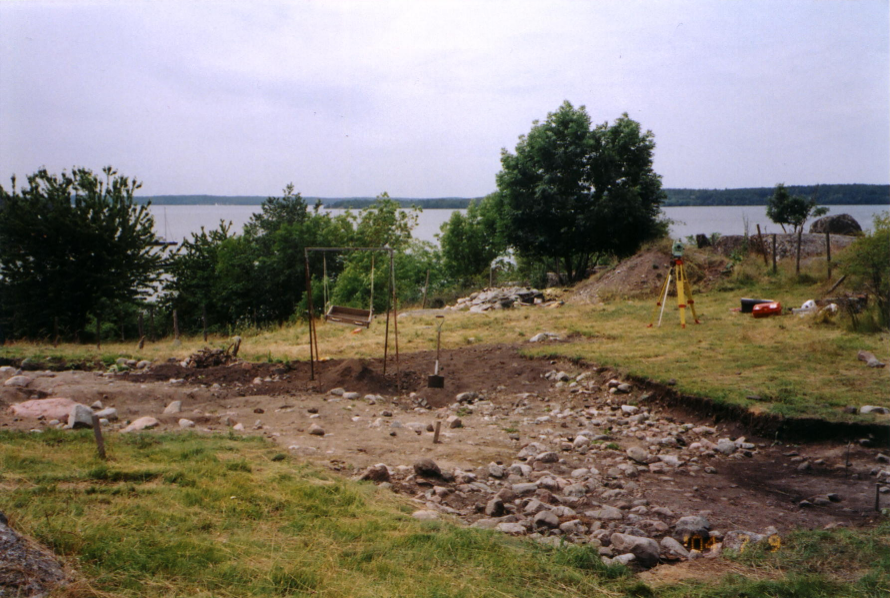
Birka
Viking Age trading center on Björkö island.