Explore the Map
Helgö
59.2785° N, 17.6804° E
About
Helgö, an island in Lake Mälaren, Sweden, is an archaeologically significant site known for its early trading settlement, which dates back to around 200 CE, during the Late Classical Period. This settlement predates the well-known town of Birka by 500 years, indicating Helgö's historical importance in early trade networks. Notable archaeological discoveries at Helgö include a small Buddha statuette from North India and a Coptic christening scoop from Egypt, both dating to the 6th century CE, illustrating the far-reaching trade connections of the settlement. The presence of a workshop area further highlights the island's role in craft production and trade. These artifacts and the site's archaeological relevance are preserved and showcased in the Swedish History Museum in Stockholm.
Historical Timeline
Journey through time and discover key events in this site's history
Formation of trading town
200 CE
Buddha and Coptic scoop from Helgö
6th century CE
Archaeological Features
Unique architectural and cultural elements found at this historical site
Industrial and Craft Structures
Artistic and Decorative Features
Domestic and Habitation Structures
Plan Your Visit
Tours, travel arrangements, and practical information
More Sites in Sweden
Uppåkra
Iron Age settlement in Scania, Sweden.
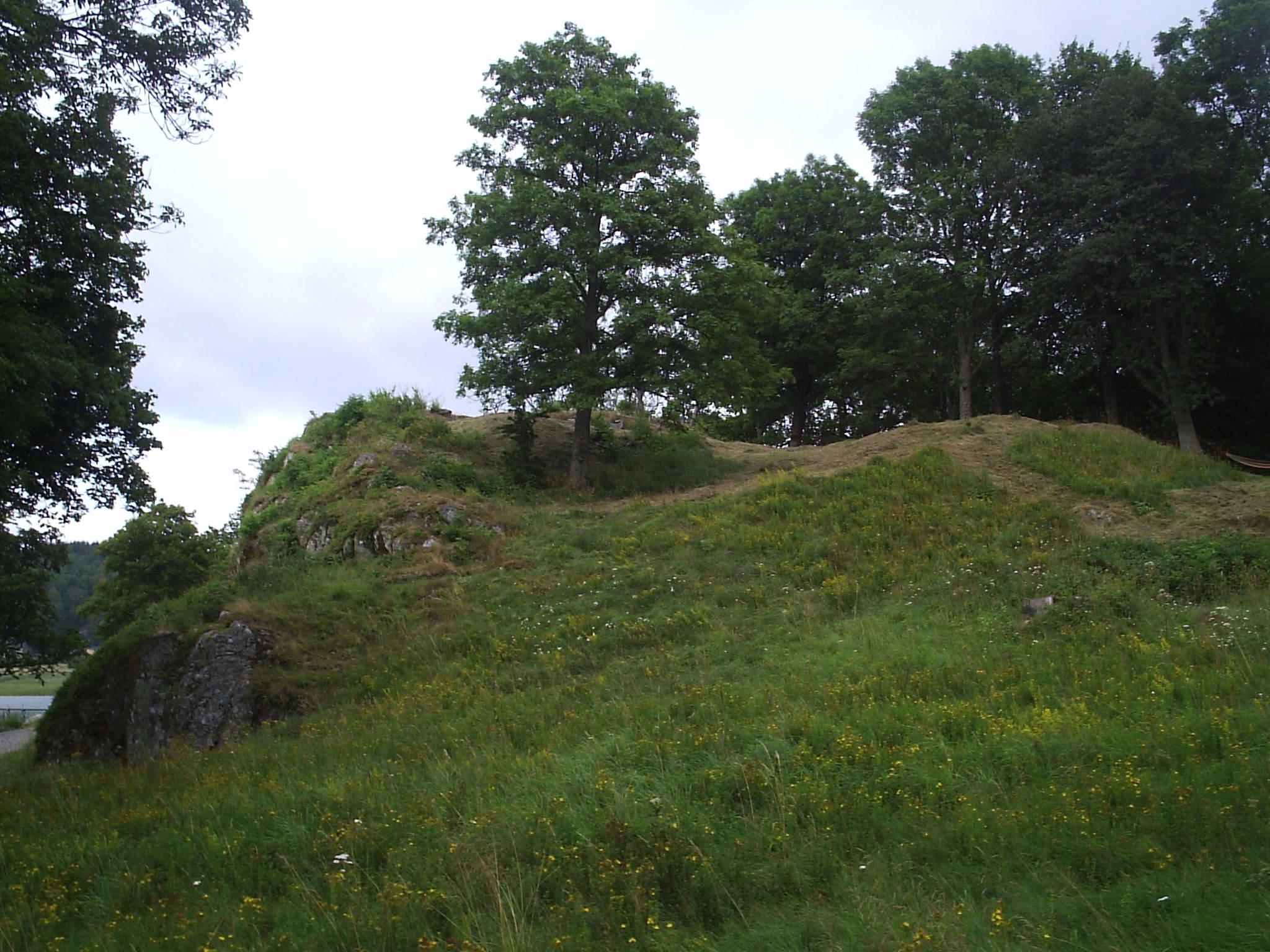
Dynge Castle
Motte-and-bailey castle ruin in Bohuslän
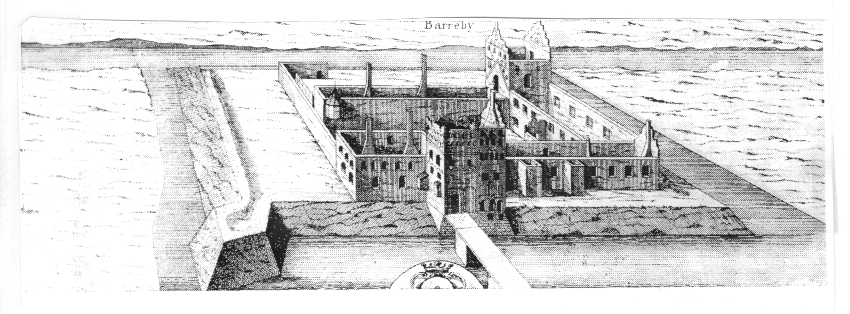
Borgeby Castle
Medieval castle with Viking Age origins.
Lapphyttan
Medieval blast-furnace site, 12th–14th century Sweden
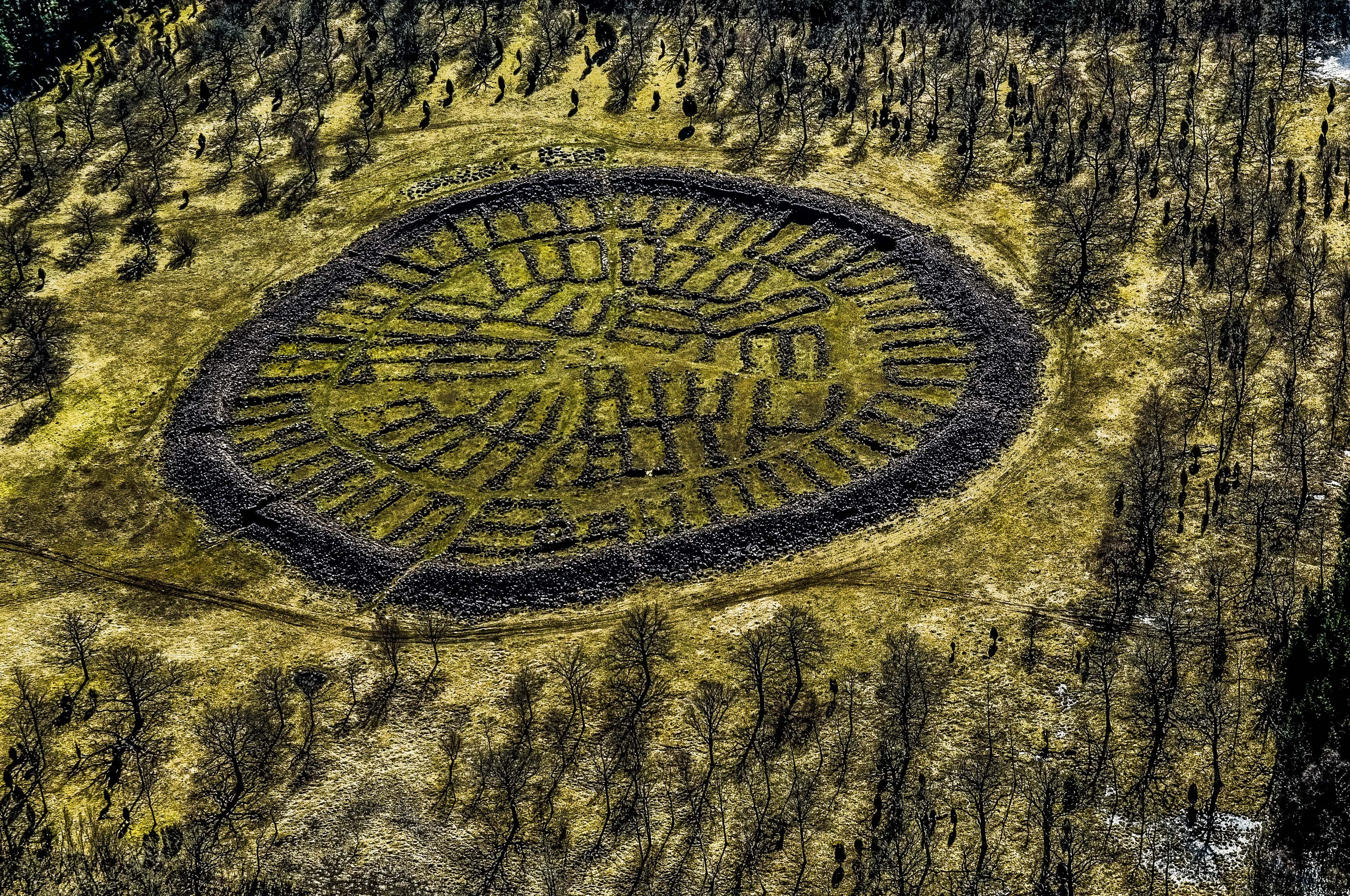
Ismantorp Fortress
Limestone ringfort with 95 houses
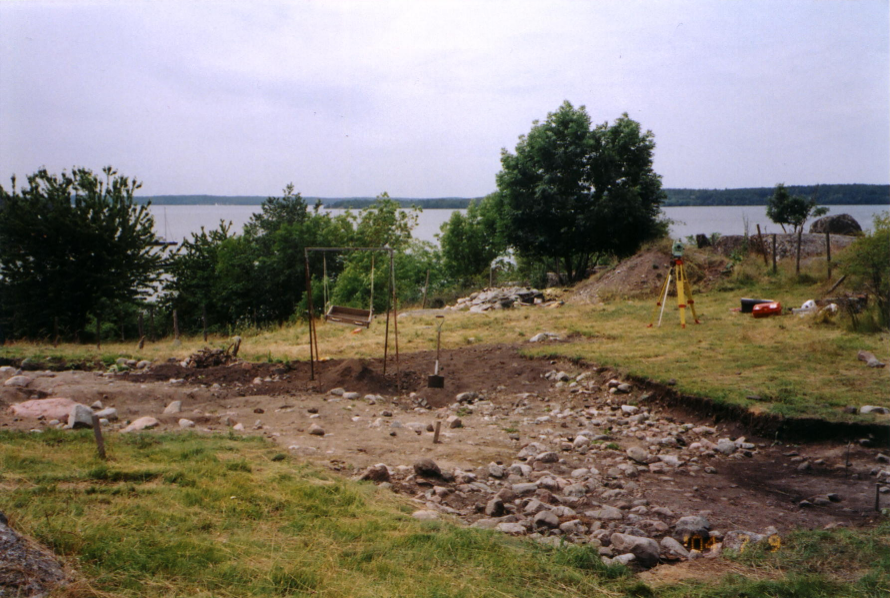
Birka
Viking Age trading center on Björkö island.