Explore the Map
Noviodunum (Switzerland)
46.3810° N, 6.2380° E
About
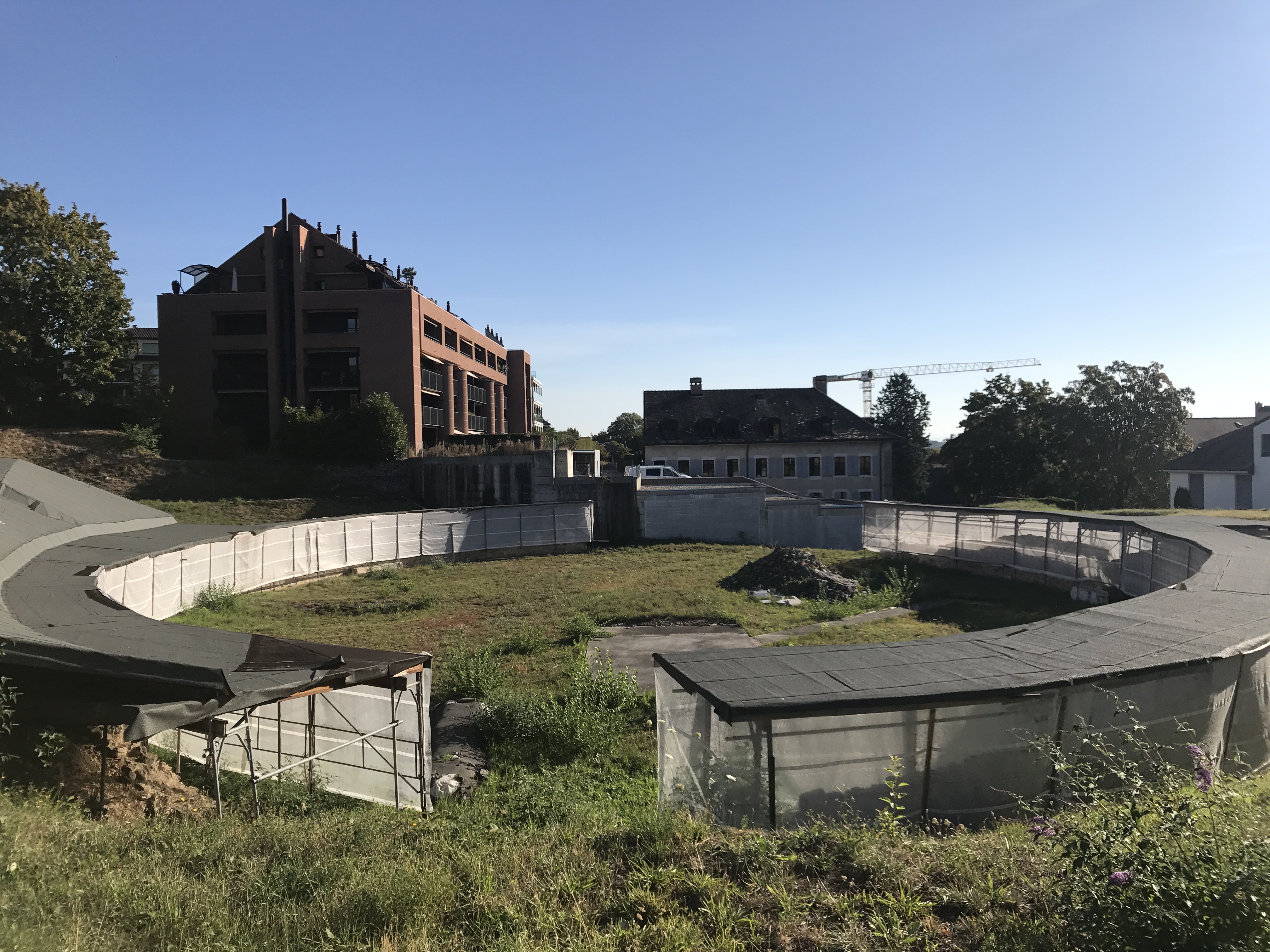
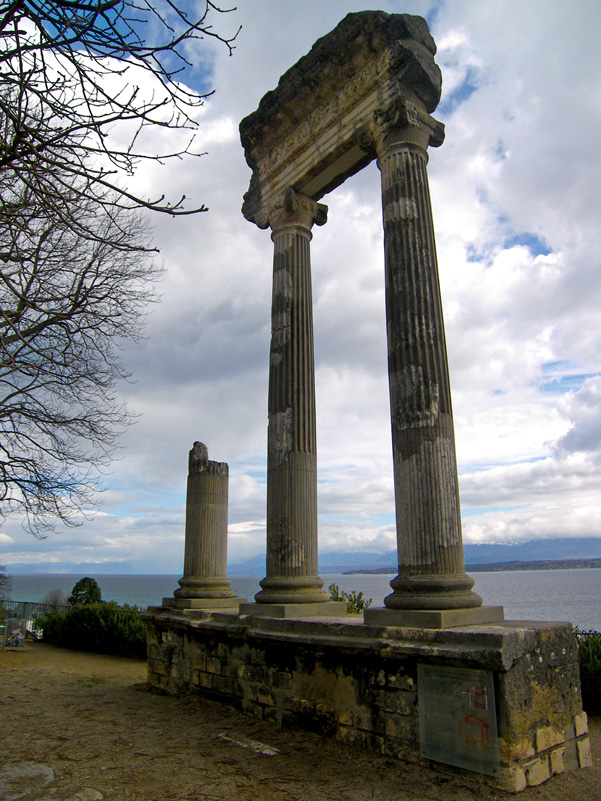
Noviodunum, or Colonia Iulia Equestris, was a significant Roman settlement located in modern-day Nyon, Switzerland. Founded by Julius Caesar in the mid-1st century BCE, it served both as a military outpost and an urban center. The settlement was established to manage conquered territories and provide land to veteran cavalrymen. Noviodunum featured a rectangular grid city plan, public baths, an amphitheater, and a marketplace, reflecting its economic and social significance. Despite invasions in the 3rd century CE, which led to the destruction of many public buildings, the settlement continued to be occupied, with evidence of a necropolis from the 5th to 8th centuries CE. The site illustrates the Roman influence on urban planning, architecture, and regional control in the Swiss region.
Gallery
Explore photographs of ancient structures, artifacts, and archaeological excavations
Historical Timeline
Journey through time and discover key events in this site's history
Expansion under Emperor Augustus
1st century CE
Further development under Tiberius
1st century CE
Continued occupation and necropolis
5th to 8th centuries CE
Foundation by Julius Caesar
46-44 BCE
Construction of Amphitheater
2nd century CE
Alamanni invasions
259-260 CE
Archaeological Features
Unique architectural and cultural elements found at this historical site
Defensive Structures
Water Management Features
Public and Civic Structures
Burial and Funerary Structures
Religious and Ritual Structures
Artistic and Decorative Features
Domestic and Habitation Structures
Transportation and Communication Structures
Plan Your Visit
Tours, travel arrangements, and practical information
Recommended Tours

More Sites in Switzerland
Vitudurum
Roman vicus with defensive structures and temples
Vindonissa
Roman legion camp and settlement remains
Turicum
Gallo-Roman settlement at Lake Zurich's end
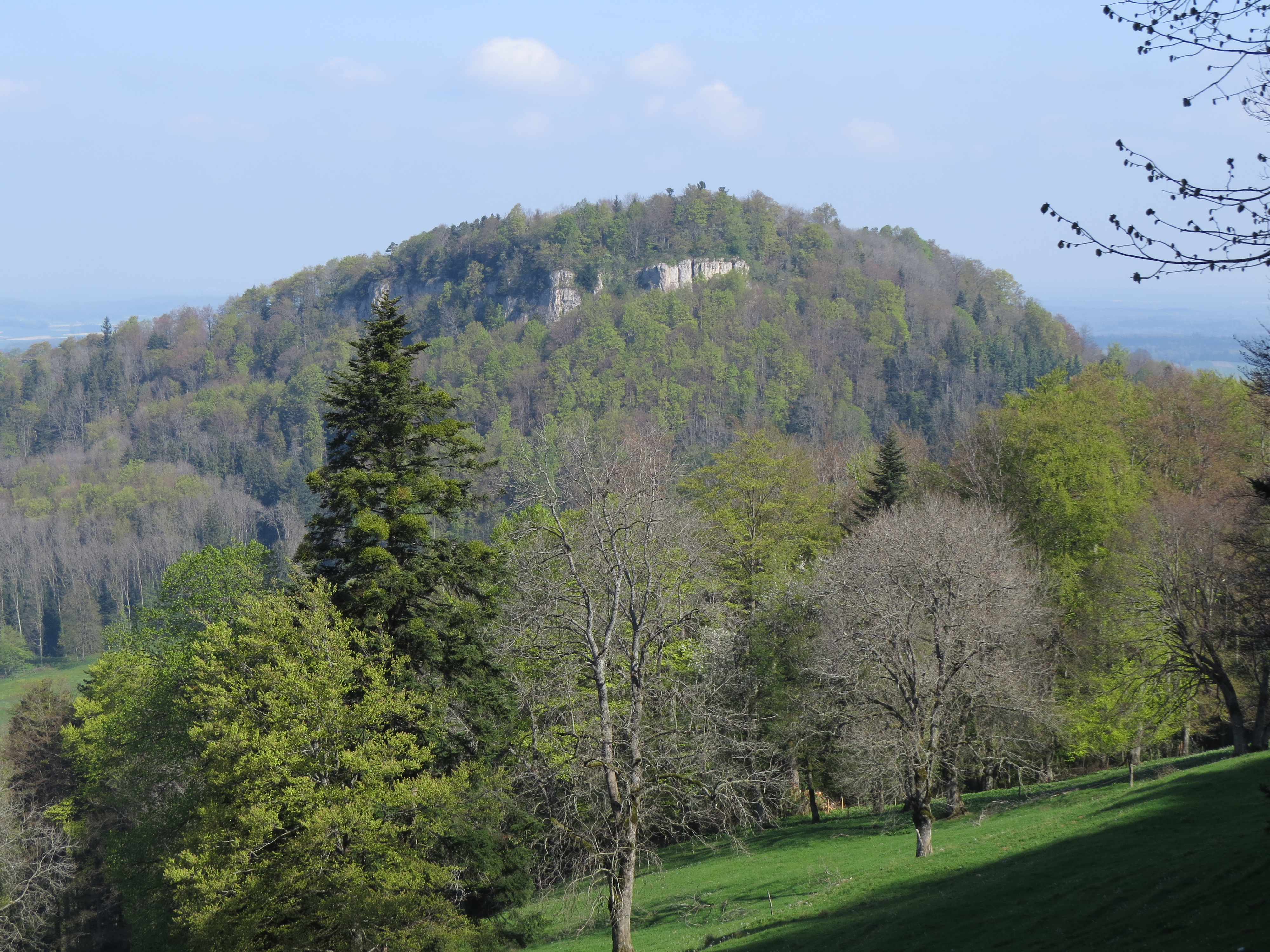
Mont-Terri Castle
Medieval castle on prehistoric hillfort plateau.
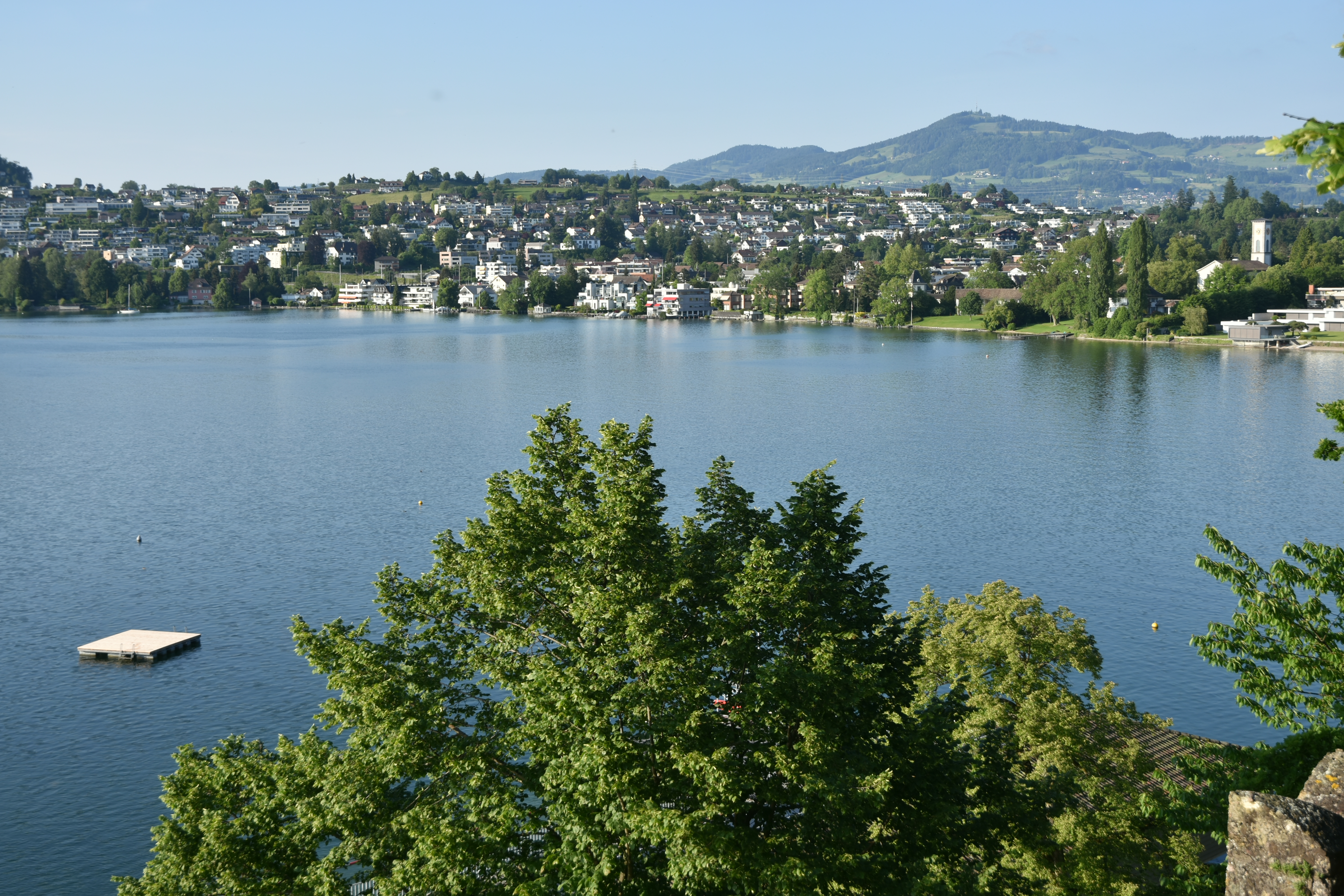
Centum Prata
Roman vicus with commercial and public structures
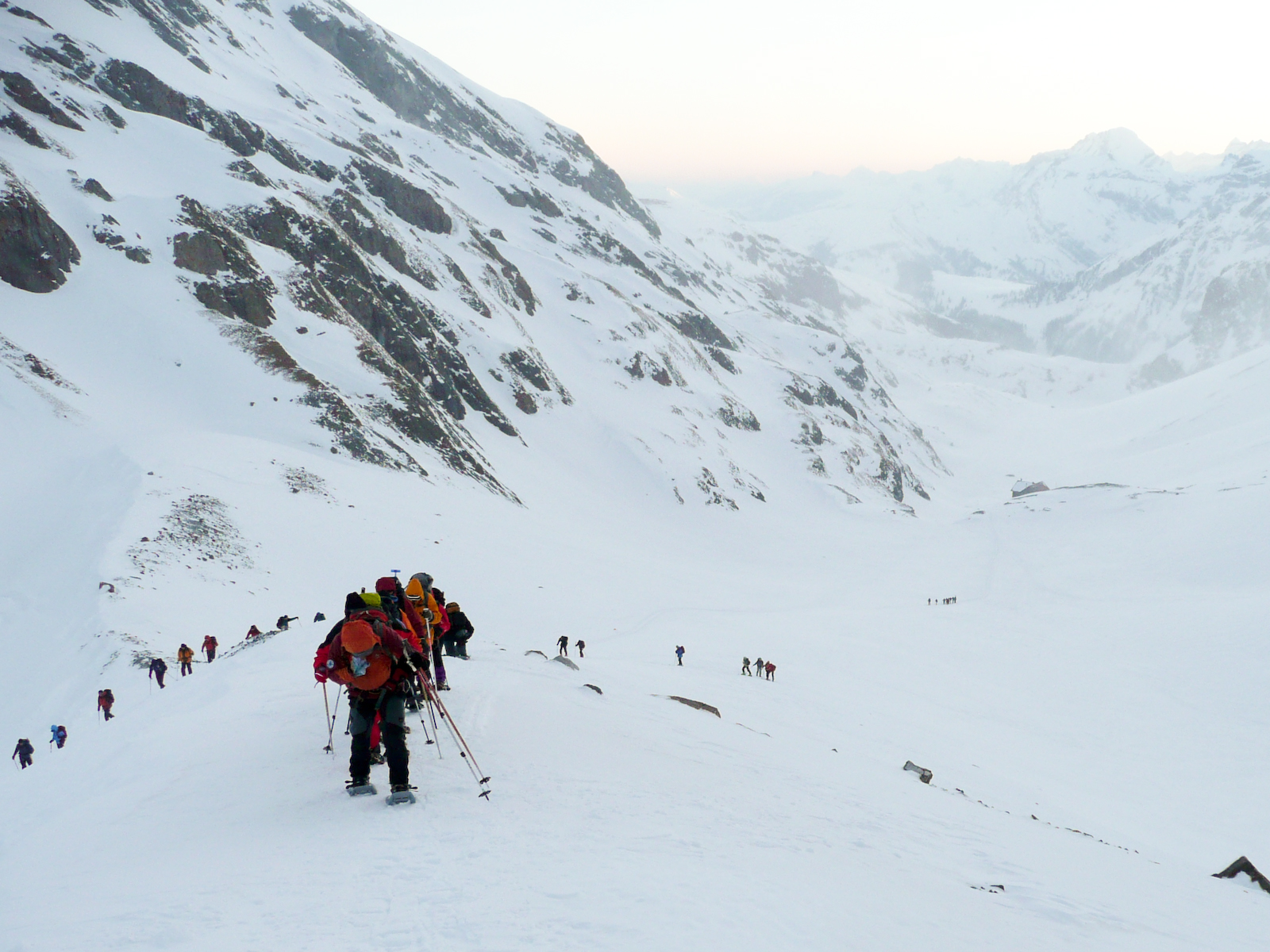
Schnidejoch
Mountain pass with ancient artifacts discovery