
Explore the Map
Ban Chiang
17.4069° N, 103.2414° E
About
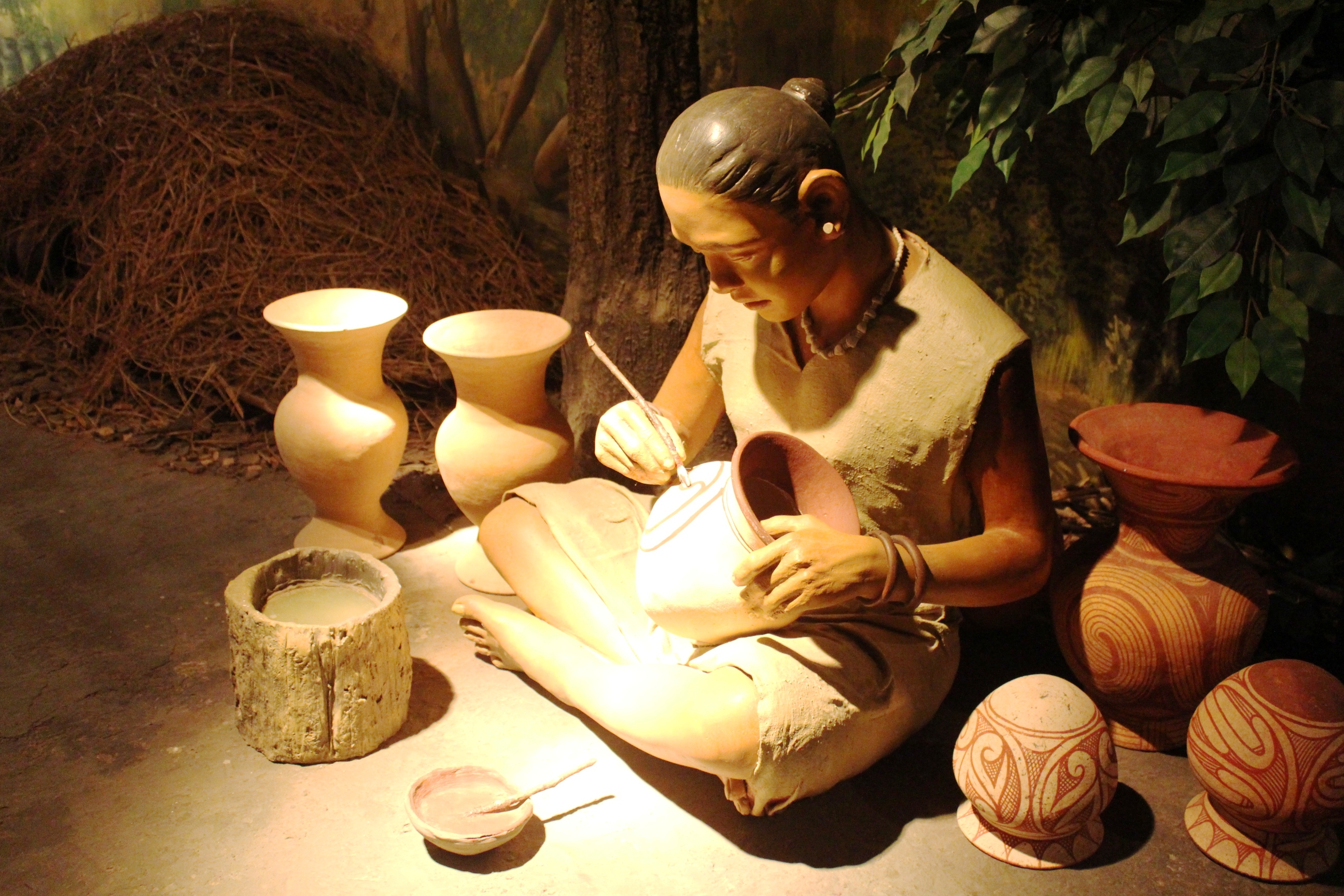
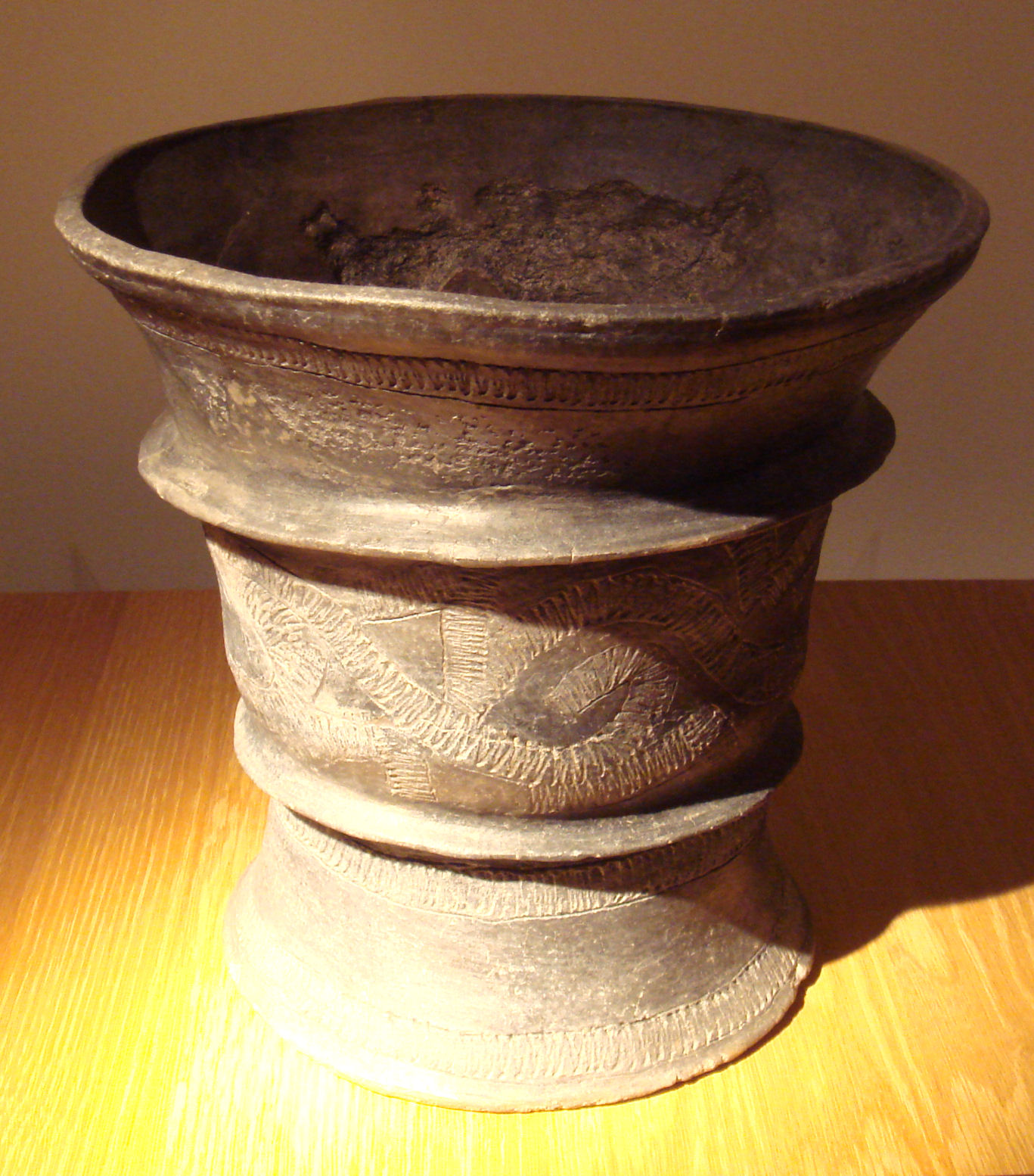
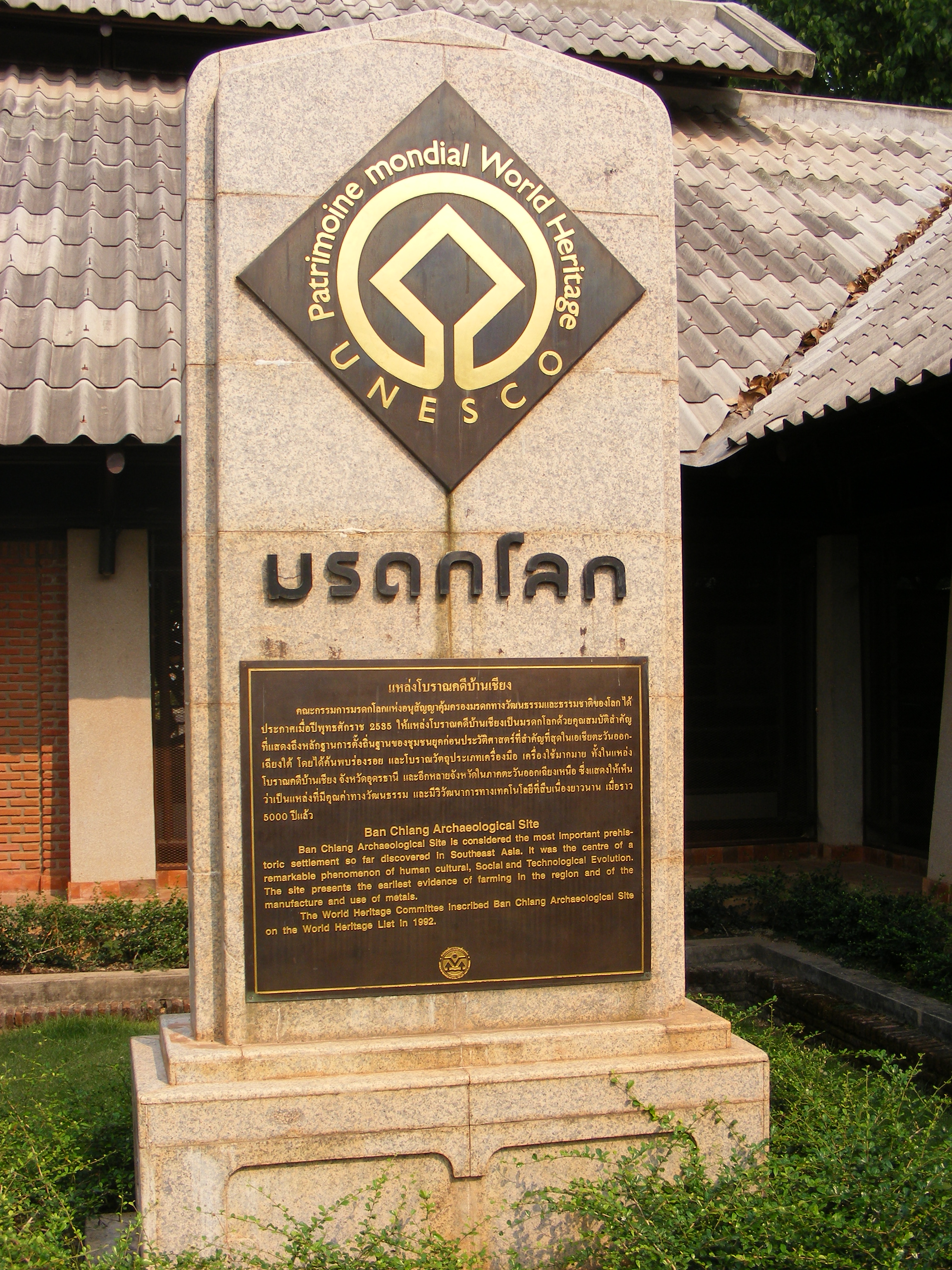
Ban Chiang (Thai: บ้านเชียง, pronounced [bâːn tɕʰīaŋ] ; Northeastern Thai: บ้านเซียง, pronounced [bâːn si᷇aŋ]) is an archaeological site in Nong Han district, Udon Thani province, Thailand. It has been a UNESCO World Heritage Site since 1992. Discovered in 1966, the site first attracted interest due to its ancient red-painted pottery. More recently, it gained international attention in 2008 when the United States Department of Justice, following an undercover investigation begun in 2003, raided several museums for their role in trafficking in Ban Chiang antiquities.
Gallery
Explore photographs of ancient structures, artifacts, and archaeological excavations
Historical Timeline
Journey through time and discover key events in this site's history
Rice phytolith date from lowest grave
2100 BCE
Alternate chronology using Bayesian analysis
c. 1500 BCE; Bronze Age transition c. 1000 BCE
Youngest grave date
c. 200 CE
Discovery by a Harvard student
August 1966
Major excavations
1974–1975
UNESCO World Heritage inscription
1992
Radiocarbon evidence for metallurgy
c. 2000–1700 BCE
Undercover investigation begins
2003
U.S. Department of Justice raids
2008
Early thermoluminescence dates published
4420–3400 BCE
Archaeological Features
Unique architectural and cultural elements found at this historical site
Storage Structures
Burial and Funerary Structures
Industrial and Craft Structures
Domestic and Habitation Structures
Frequently Asked Questions
Plan Your Visit
Tours, travel arrangements, and practical information
More Sites in Thailand
Tham Lod rockshelter
Prehistoric cemetery and tool workshop site
Lang Rongrien Rock Shelter
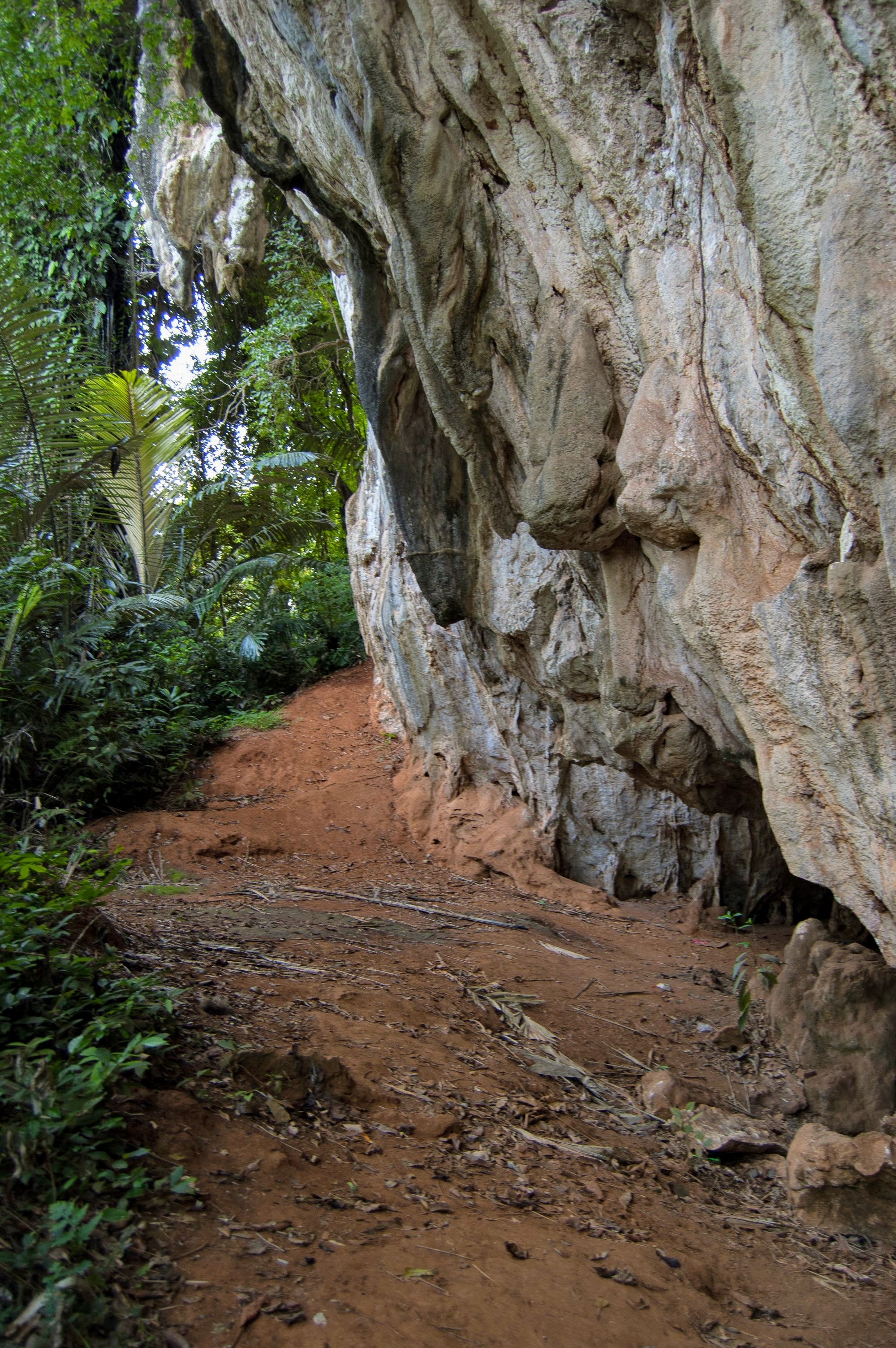
Hoabinhian rock shelter in southern Thailand
Prasat Muang Tam
Khmer Hindu temple, late 10th–early 11th century, Thailand
Wat That Noi
Ruined temple in northern Thailand
Wat Phrachao Ong Dam
Ruined Buddhist temple in Chiang Mai region, Thailand
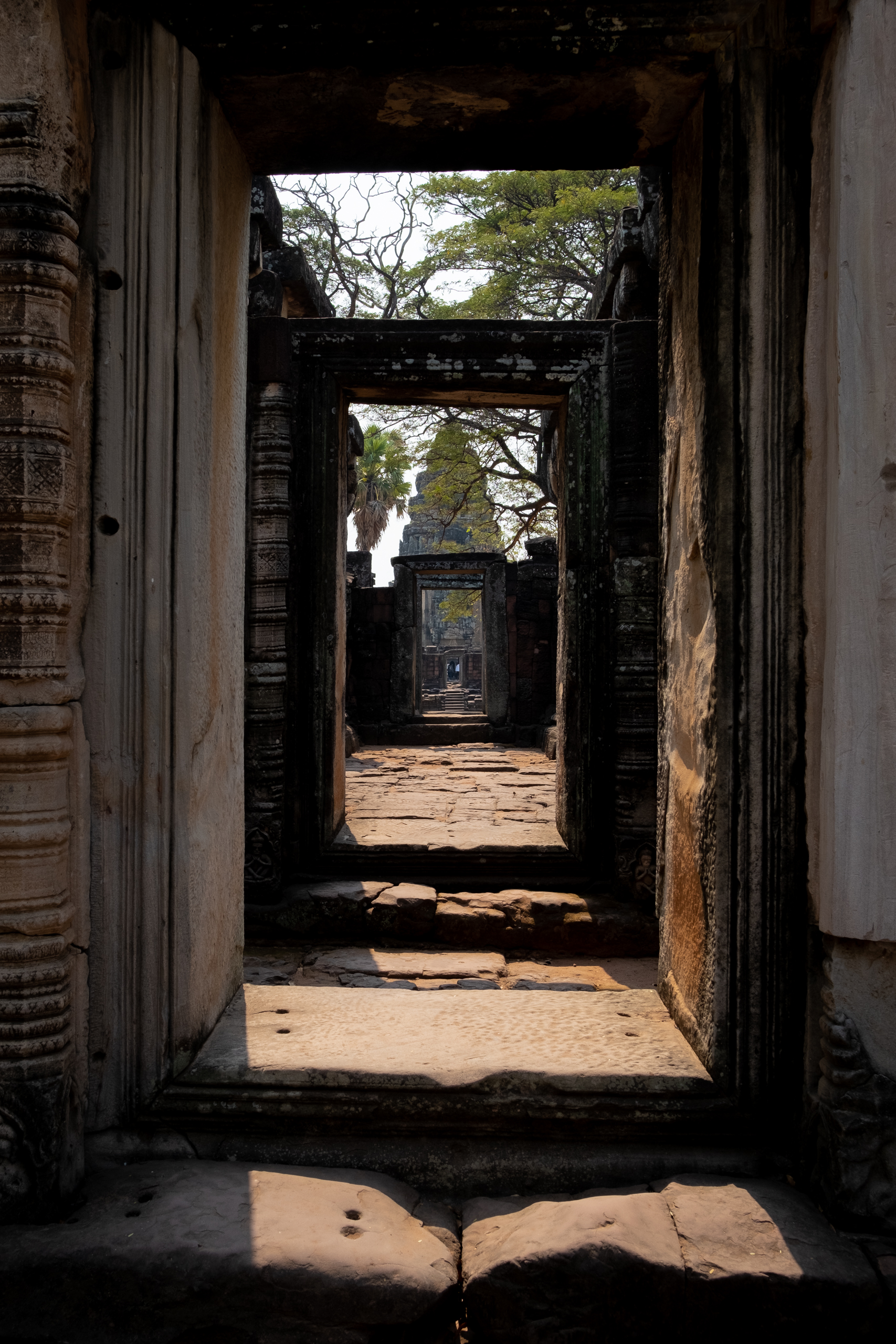
Phimai Historical Park
Ancient Khmer-Hindu temple with Buddhist influences