
Explore the Map
Wiang Kum Kam
18.7541° N, 98.9956° E
About
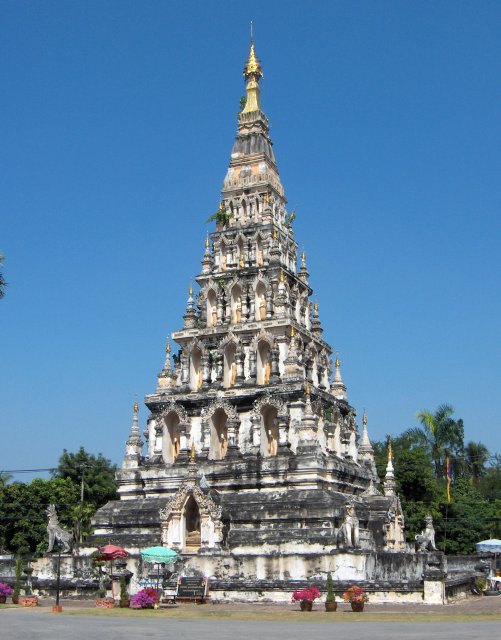
Wiang Kum Kam is an archaeological site located in the Saraphi District of Chiang Mai, Thailand. Established in the late 13th century CE by King Mangrai the Great, this ancient city served briefly as the capital before the construction of Chiang Mai. Due to its location along the Ping River, Wiang Kum Kam faced repeated flooding, leading to its decline and eventual abandonment after the Burmese conquest in 1558 CE. The site is renowned for its array of ancient temples, including Wat Chedi Liam and Wat Chang Kham, reflecting the city's historical significance and religious heritage. Excavations have revealed valuable insights into the city's infrastructure, cultural practices, and challenges posed by its environment.
Gallery
Explore photographs of ancient structures, artifacts, and archaeological excavations

Historical Timeline
Journey through time and discover key events in this site's history
King Mangrai establishes city
late 13th century CE
Chiang Mai becomes new capital
late 13th century CE
Burmese conquest and abandonment
1558 CE
Archaeological Features
Unique architectural and cultural elements found at this historical site
Religious and Ritual Structures
Domestic and Habitation Structures
Environmental and Natural Features
Frequently Asked Questions
Plan Your Visit
Tours, travel arrangements, and practical information
More Sites in Thailand
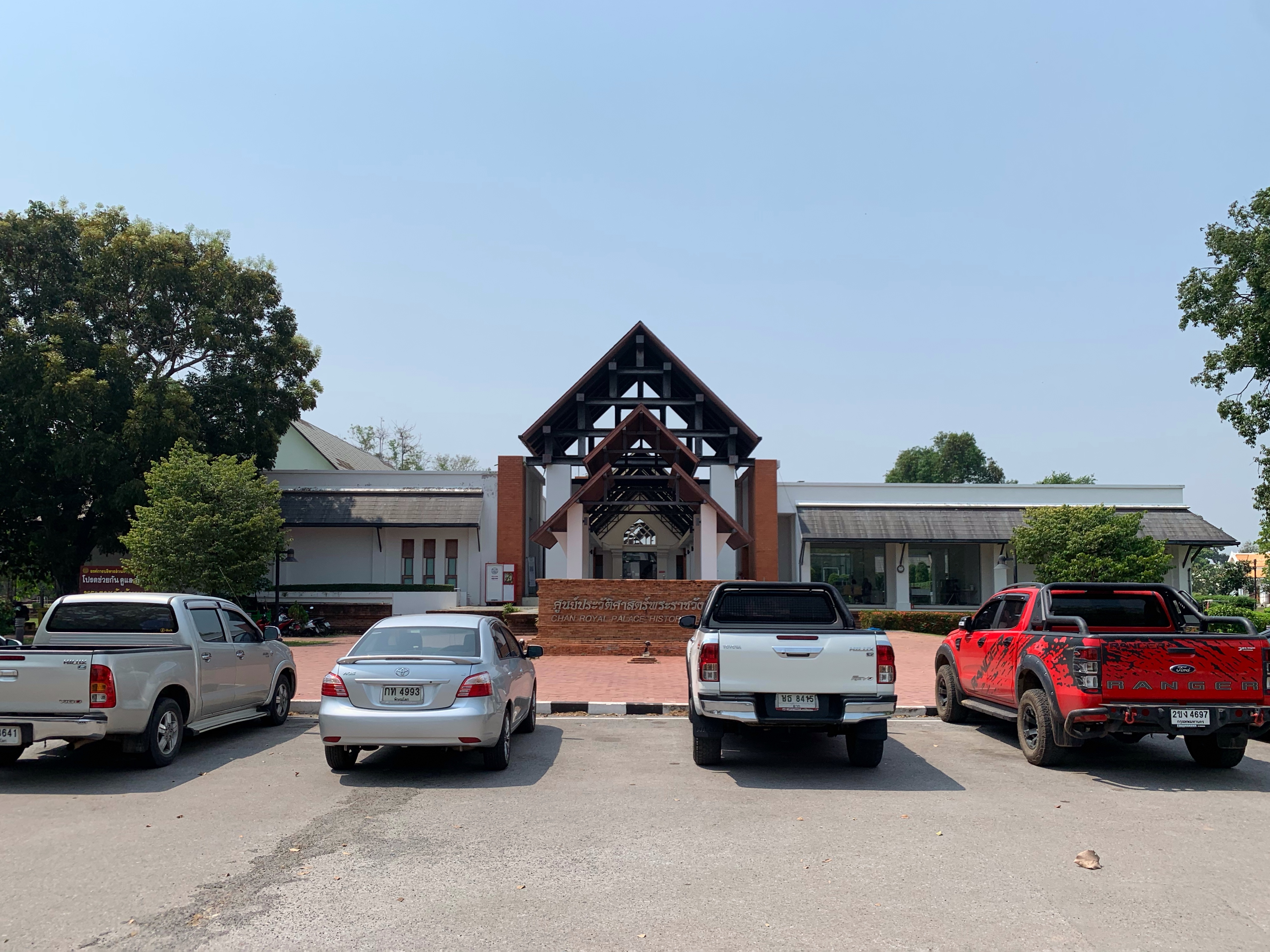
Chan Royal Palace
Ruins of Chan Palace and temples
Mueang Sing Historical Park
Khmer temple complex in Kanchanaburi, 13th–14th century
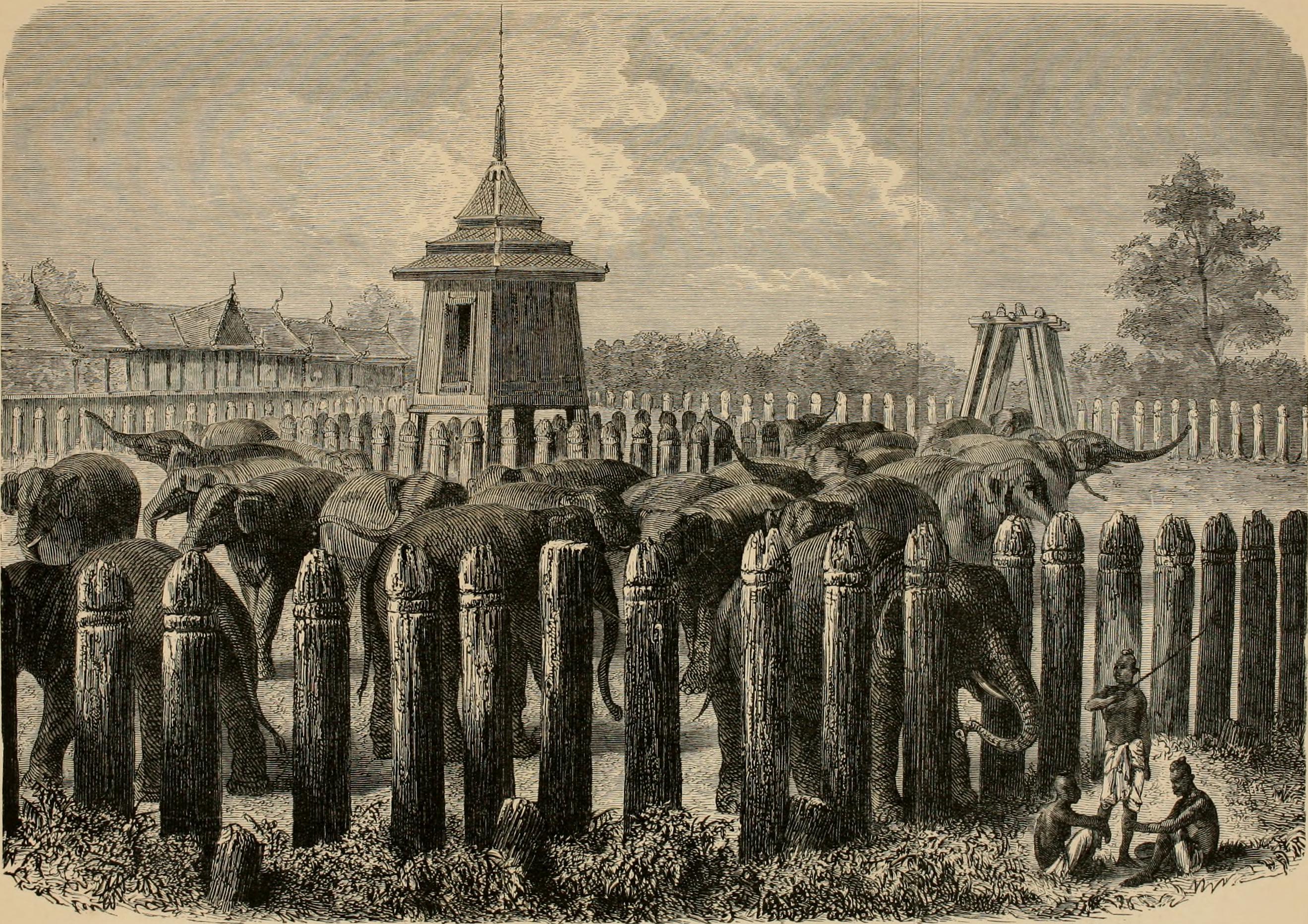
Elephant Kraal, Ayutthaya
Historic elephant corral with sacred features
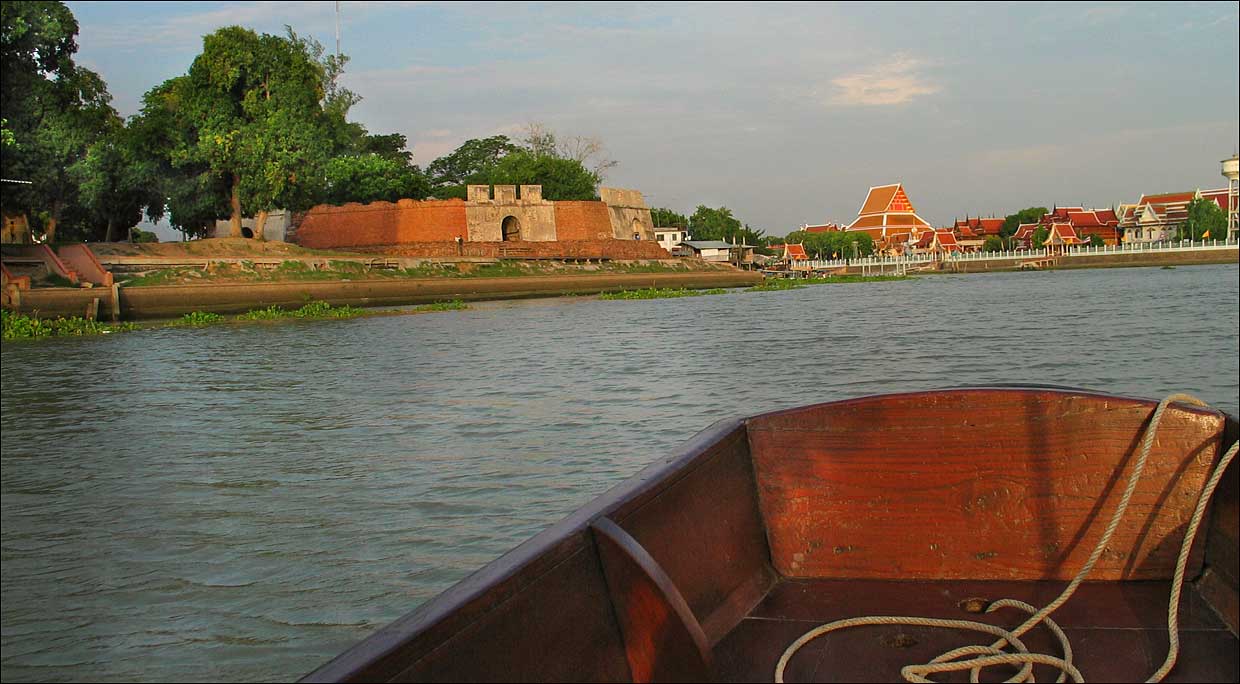
Pom Phet
Historic brick and laterite fort in Ayutthaya
Prasat Muang Tam
Khmer Hindu temple, late 10th–early 11th century, Thailand
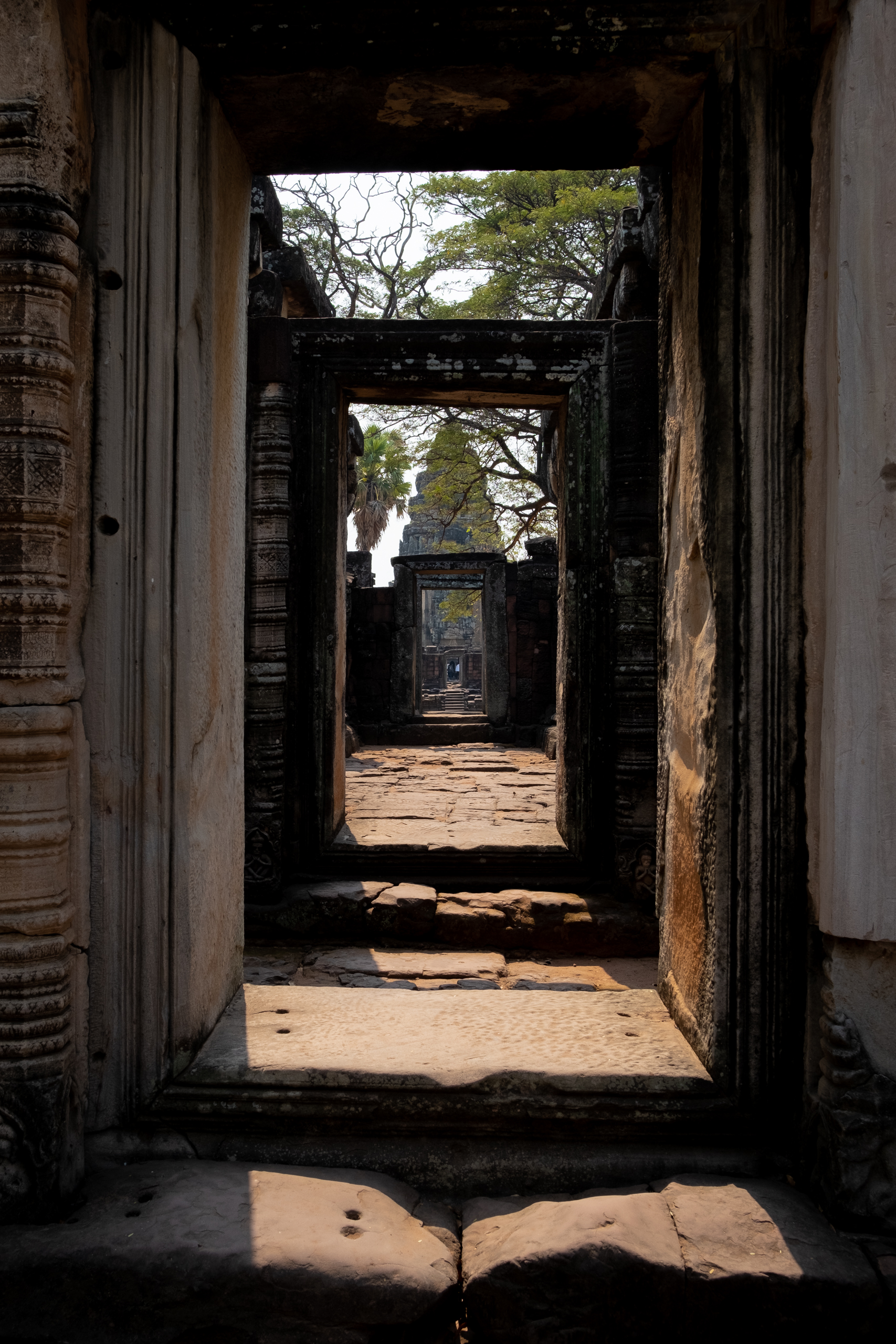
Phimai Historical Park
Ancient Khmer-Hindu temple with Buddhist influences