
Explore the Map
Ayutthaya Historical Park
14.3500° N, 100.5833° E
About
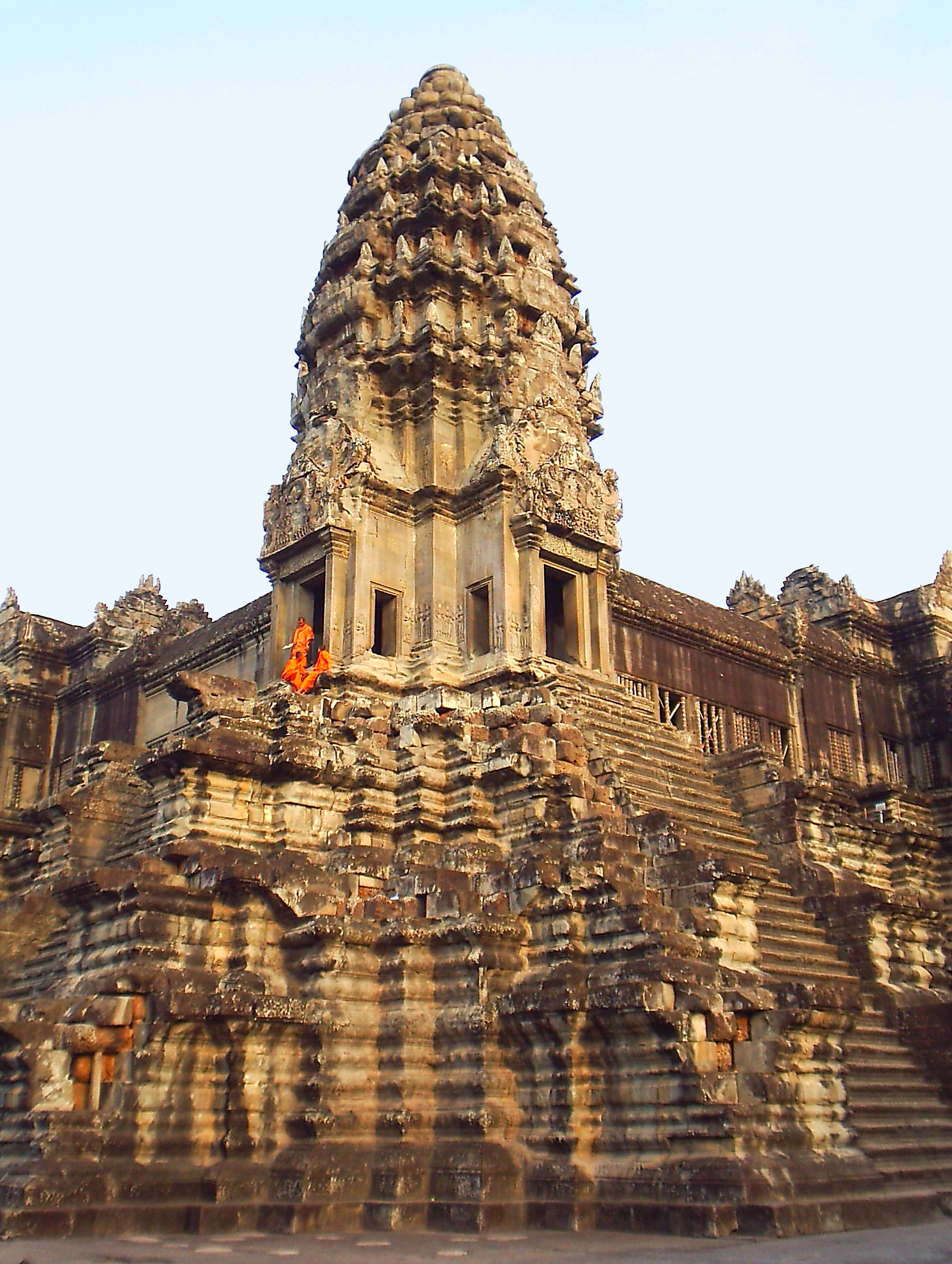
Ayutthaya Historical Park encompasses the remains of the ancient city of Ayutthaya, which was founded in 1351 CE by King Ramathibodi I. However, the region's history extends further back to a Khmer settlement known as Ayodhya, established around 850 CE. This site represents a confluence of cultural and architectural influences, including significant Khmer contributions, as evidenced by features such as an ancient baray (reservoir) near Wat Yai Chai Mongkhon. Ayutthaya served as the capital of Siam until it was devastated by the Burmese in 1767 CE. The park's ruins, including remnants of majestic temples and water management systems, offer insight into the Post-Classical and Early Modern periods' dynamic urban and religious life.
Gallery
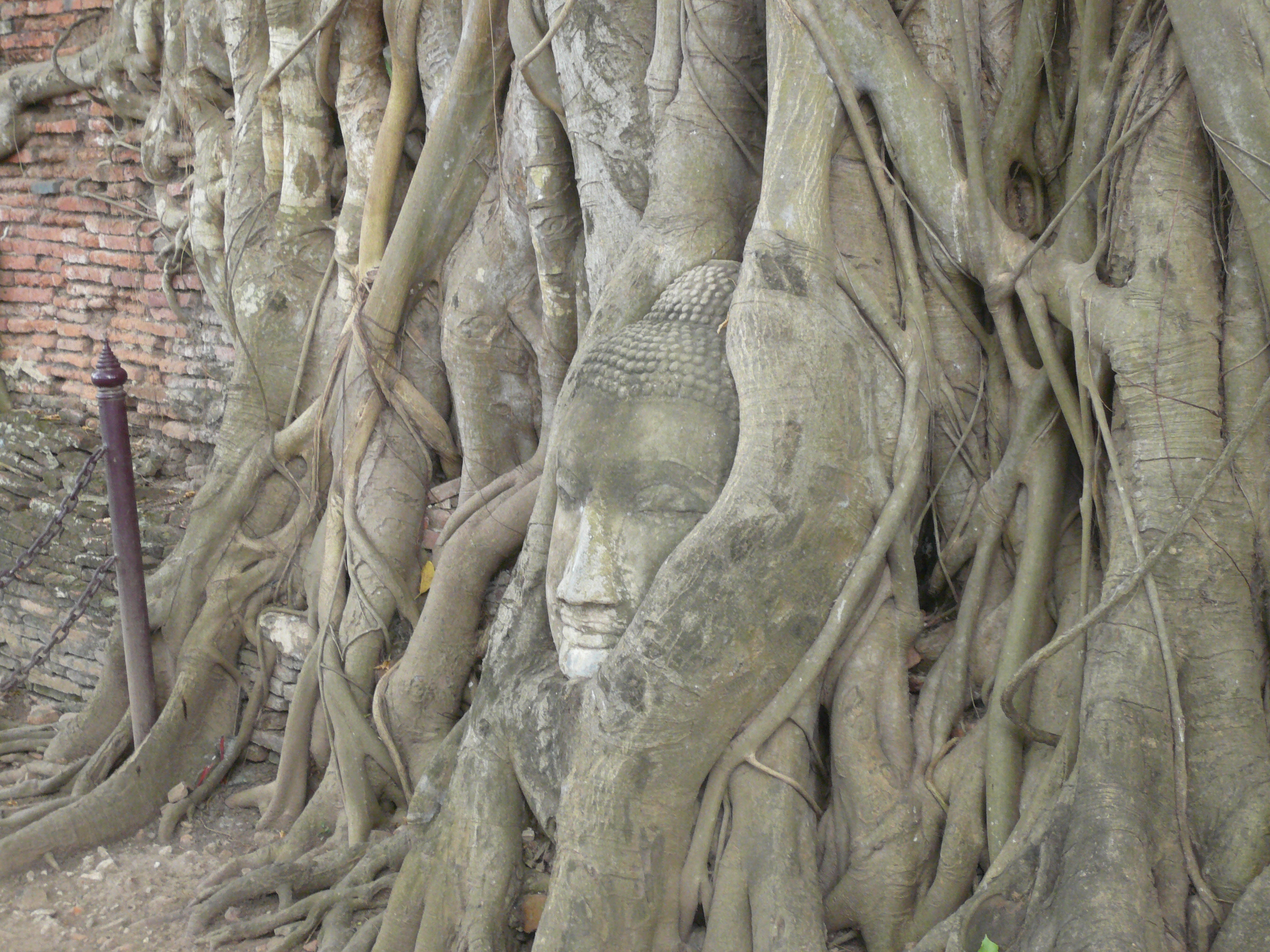
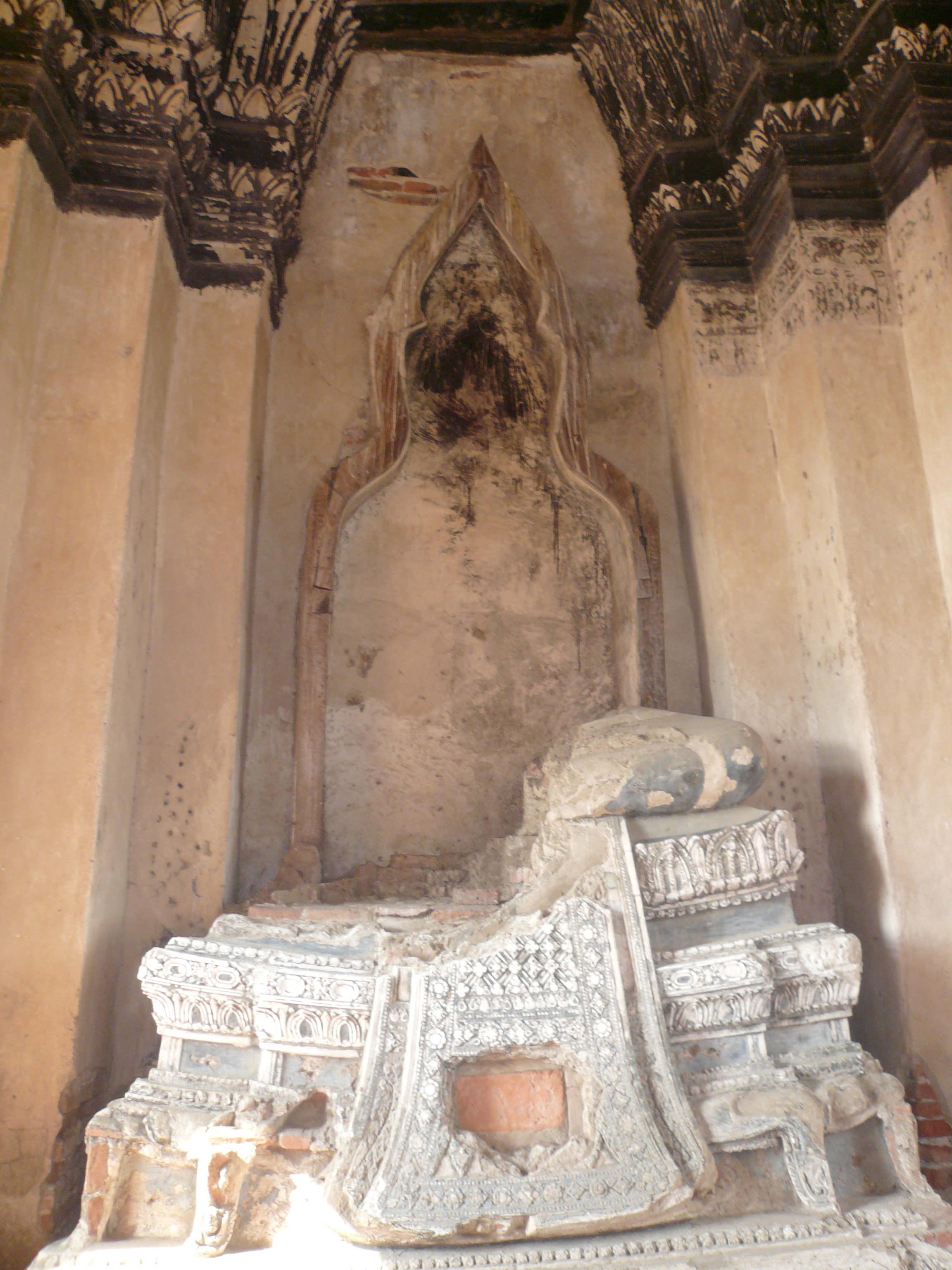
Explore photographs of ancient structures, artifacts, and archaeological excavations
Historical Timeline
Journey through time and discover key events in this site's history
Khmers establish Ayodhya
850 CE
Foundation of Ayutthaya city
1351 CE
Burmese capture Ayutthaya
1569 CE
Destruction by Burmese army
1767 CE
Archaeological Features
Unique architectural and cultural elements found at this historical site
Water Management Features
Religious and Ritual Structures
Domestic and Habitation Structures
Plan Your Visit
Tours, travel arrangements, and practical information

More Sites in Thailand
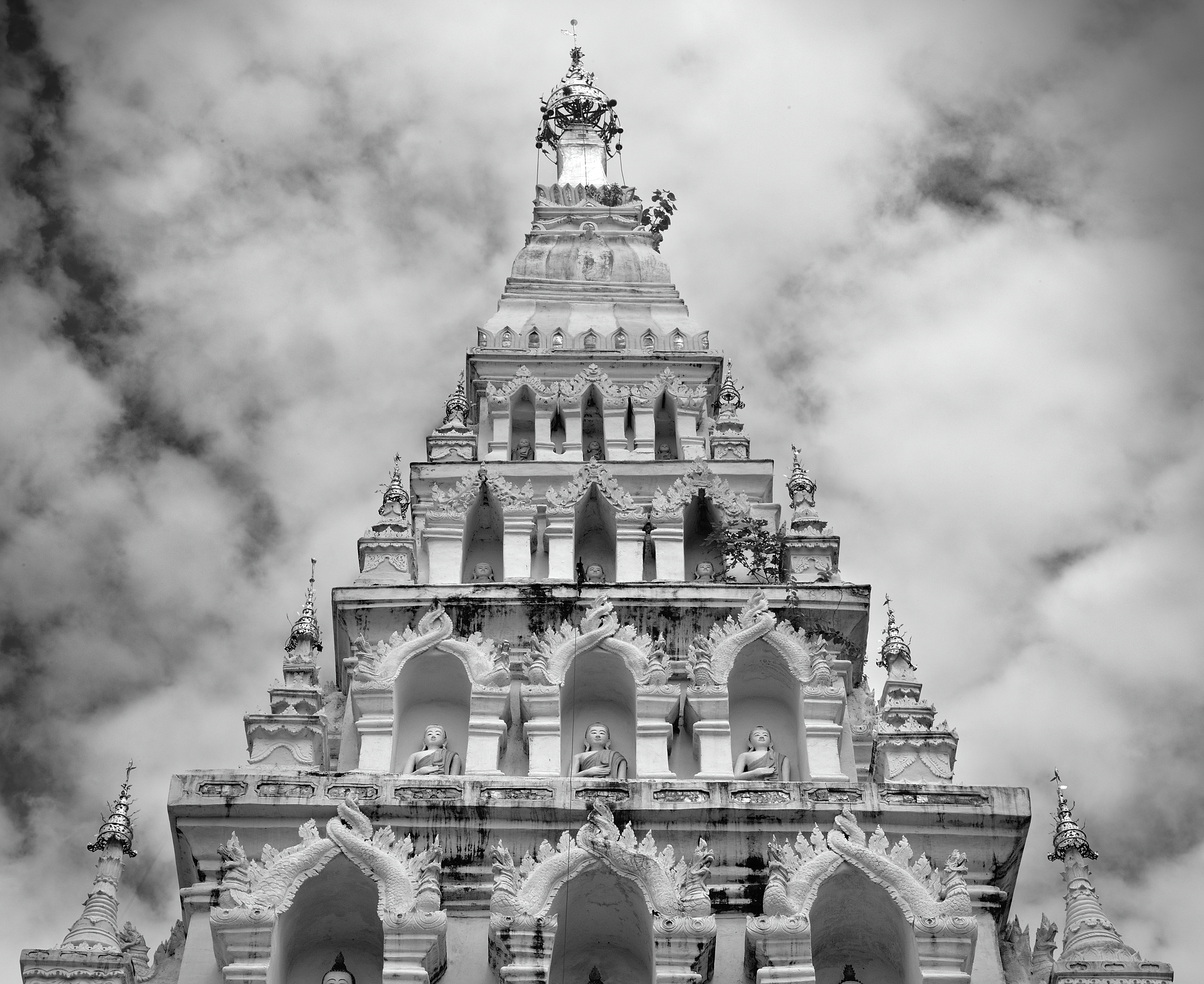
Wiang Kum Kam
Ruined city with ancient temples and floods.
Mueang Sing Historical Park
Khmer temple complex in Kanchanaburi, 13th–14th century
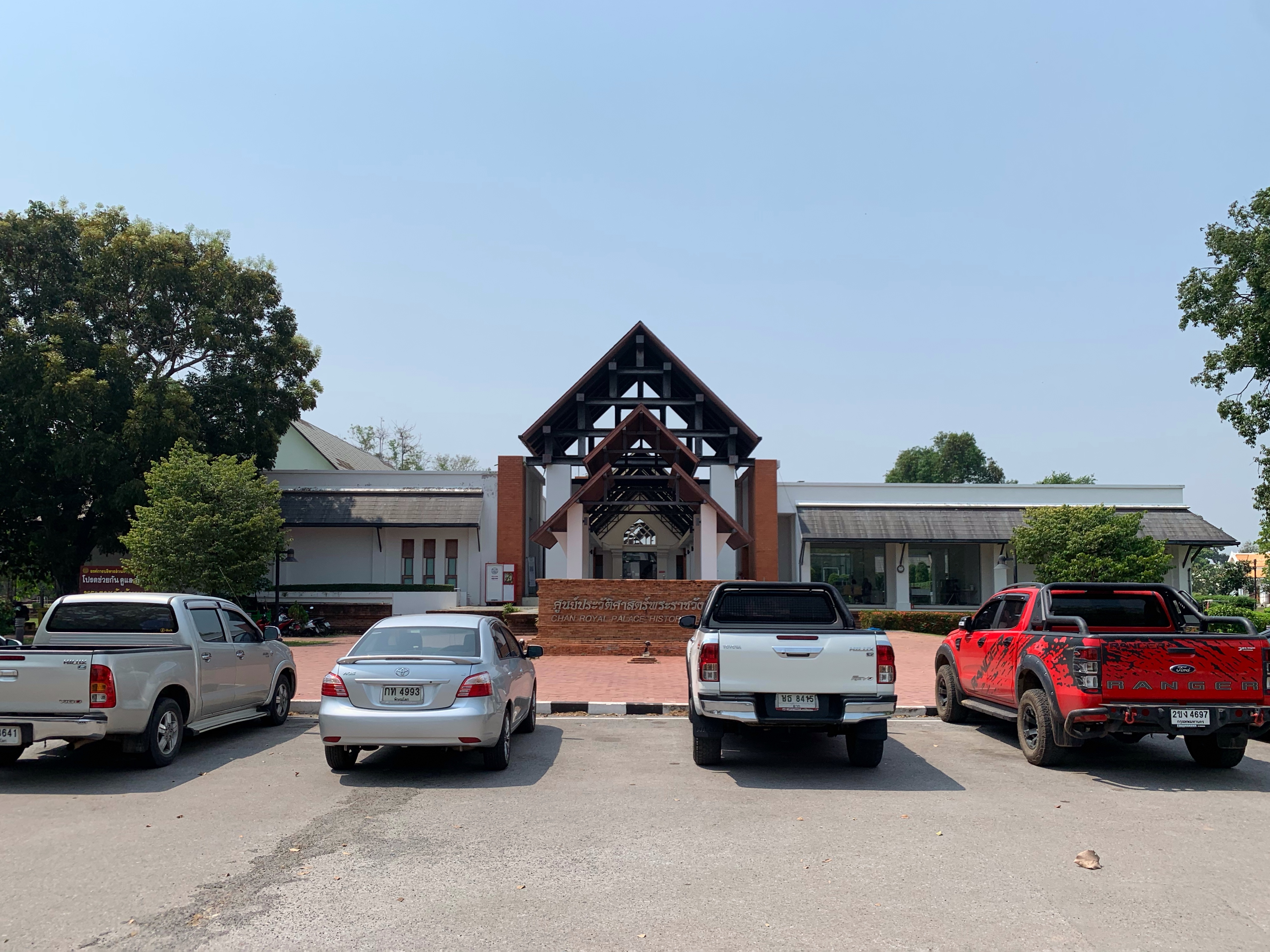
Chan Royal Palace
Ruins of Chan Palace and temples
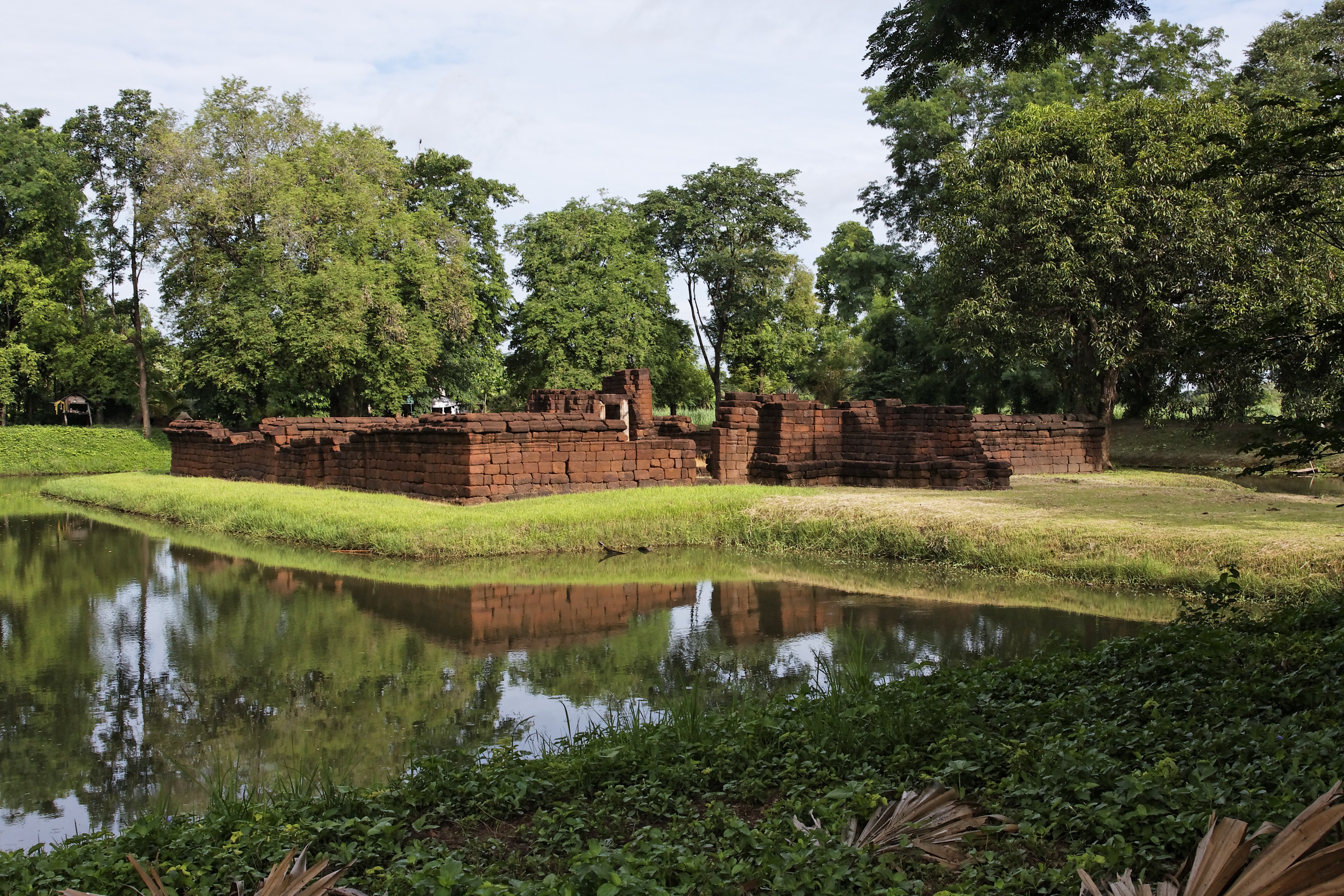
Prasat Ban Thanon Hak
11th-century Khmer Hindu temple ruins
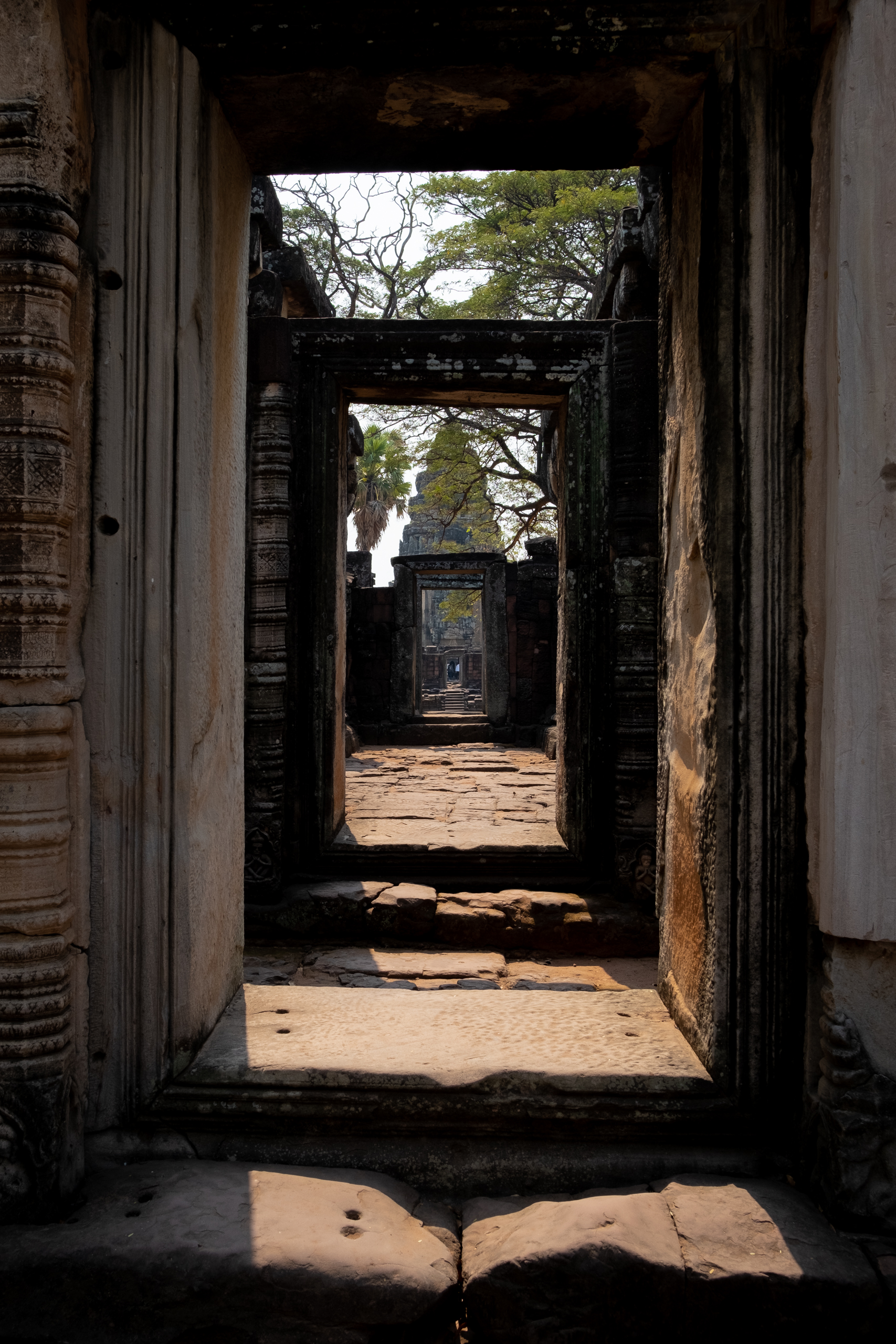
Phimai Historical Park
Ancient Khmer-Hindu temple with Buddhist influences
Phra That Narai Cheng Weng
Khmer stupa in Sakon Nakhon, 16th–17th Buddhist century