Explore the Map
Prasat Muang Tam
14.4967° N, 102.9836° E
About
Prasat Muang Tam (Thai: ปราสาทเมืองต่ำ, RTGS: Prasat Mueang Tam, pronounced [prāː.sàːt mɯ̄aŋ tàm]; lit. 'lowland castle') is a Khmer Hindu Temple in Prakhon Chai District, Buriram Province, Thailand. It is primarily in the Khleang and Baphuon styles, which dates its primary phases of construction to the late-10th and early-11th centuries. The primary deity was Shiva, although Vishnu was also worshipped there. Like most Hindu temples, Muang Tam is oriented towards the east. It has a flat concentric plan, with a central sanctuary and two surrounded successively by an inner enclosure, ponds, and an outer enclosure. The ponds between the enclosures are an unusual feature of the temple, as is the central sanctuary, which is not elevated and has its towers arranged in rows of three and two. All the towers except the central one have been restored. Kala are particularly prominent in the lintels of the temple. They are the best available aid in dating the structure, but the mix of styles (Khleang and Baphuon) makes accurate dating impossible. Several of the lintels on the outer gopuras are unfinished. A small probably contemporaneous with the temple, lay to the east, while a later, larger baray survives further north between Muang Tam and Phanom Rung.
Historical Timeline
Journey through time and discover key events in this site's history
Primary construction
late 10th and early 11th centuries
Archaeological Features
Unique architectural and cultural elements found at this historical site
Water Management Features
Religious and Ritual Structures
Artistic and Decorative Features
Frequently Asked Questions
Plan Your Visit
Tours, travel arrangements, and practical information
More Sites in Thailand
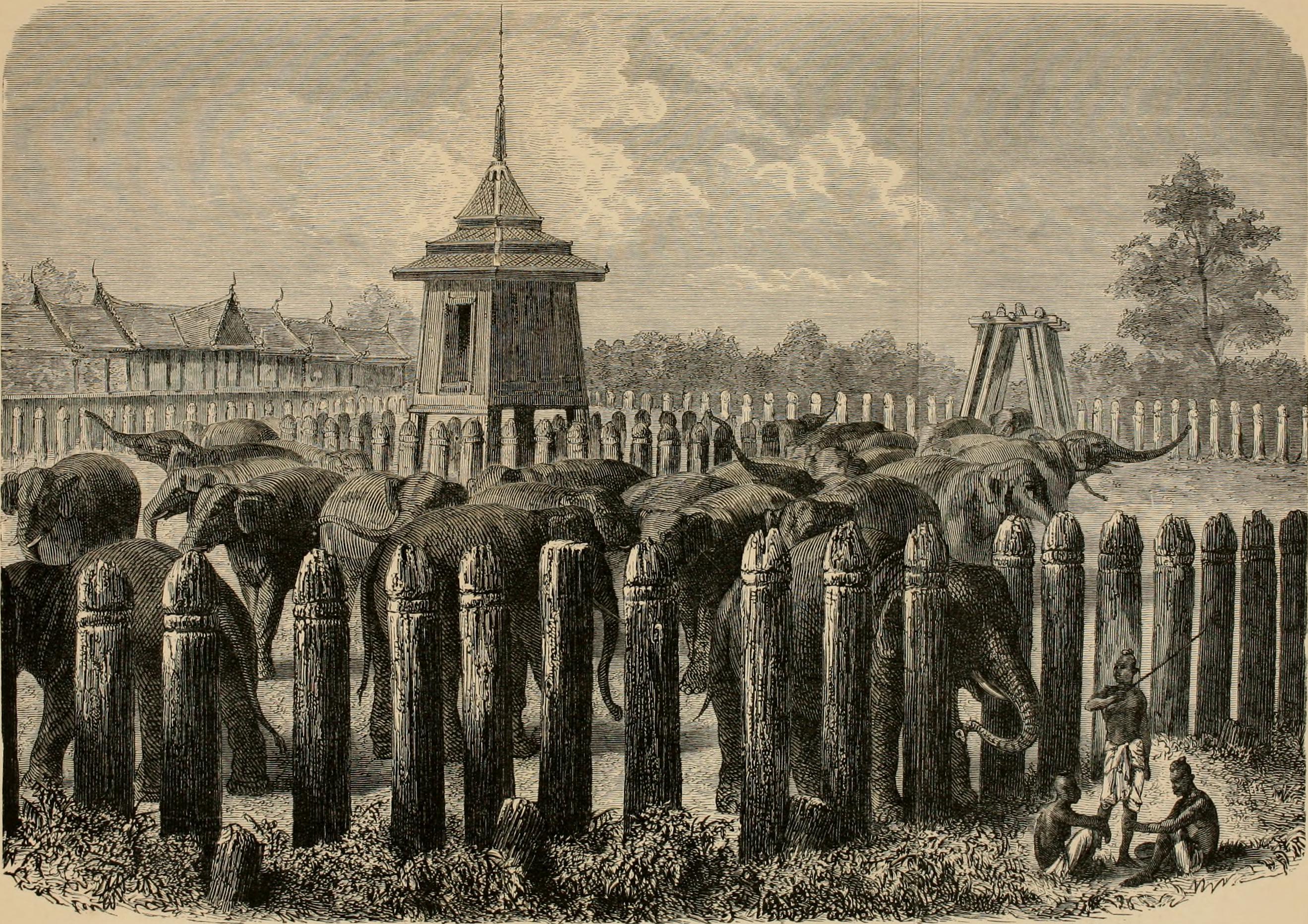
Elephant Kraal, Ayutthaya
Historic elephant corral with sacred features
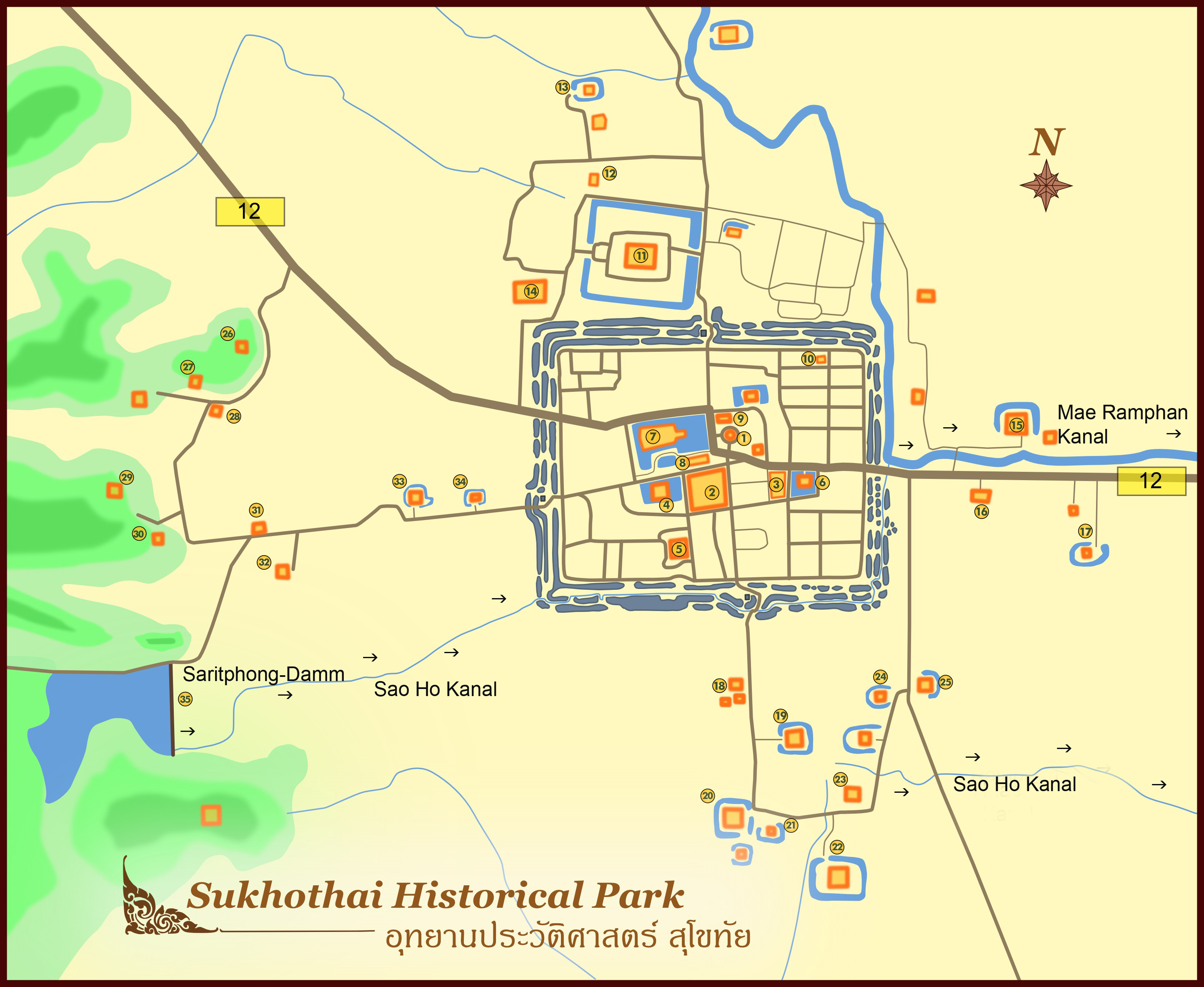
Saritphong Dam
14th-century dam in Sukhothai, Thailand.
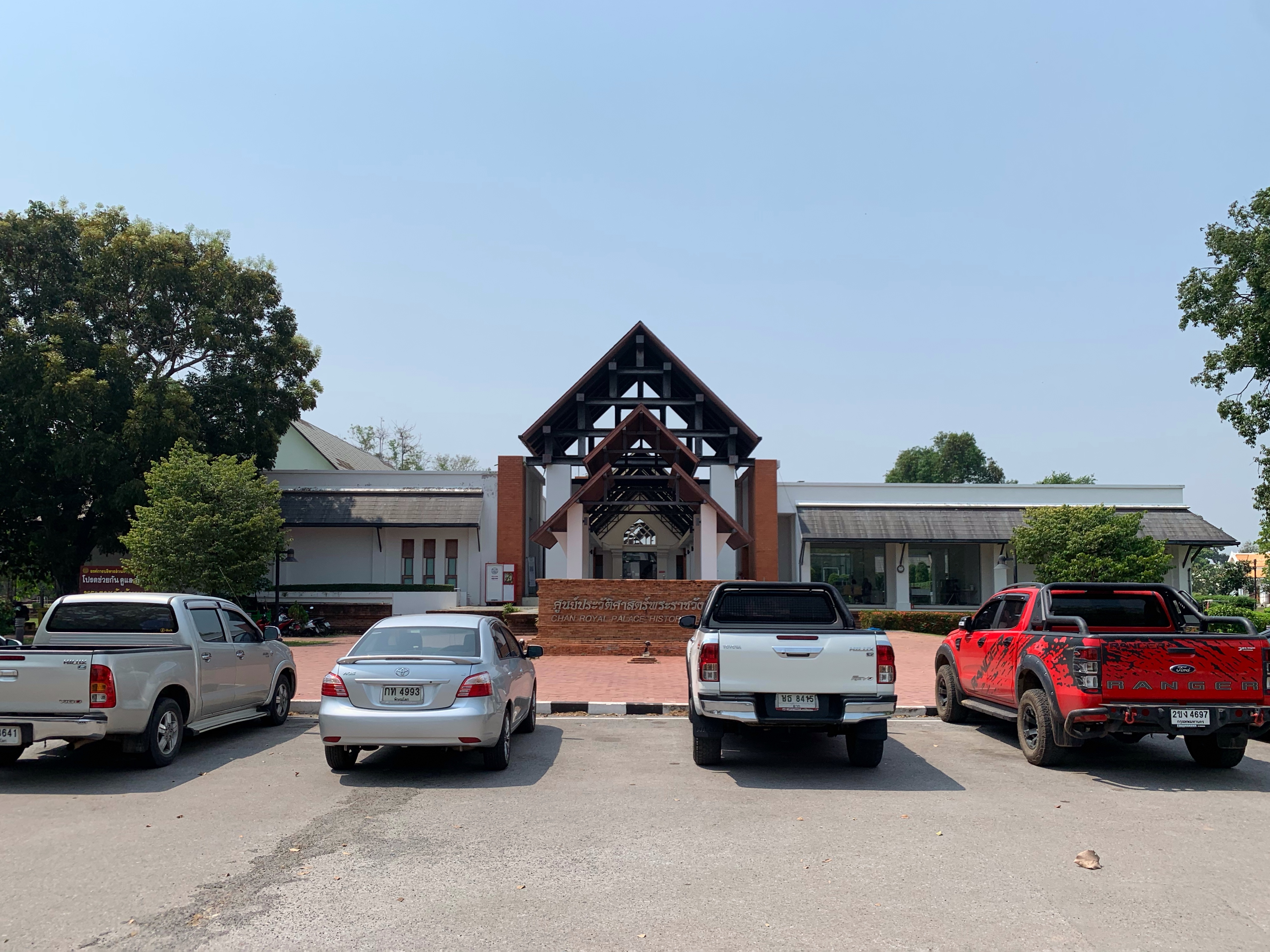
Chan Royal Palace
Ruins of Chan Palace and temples
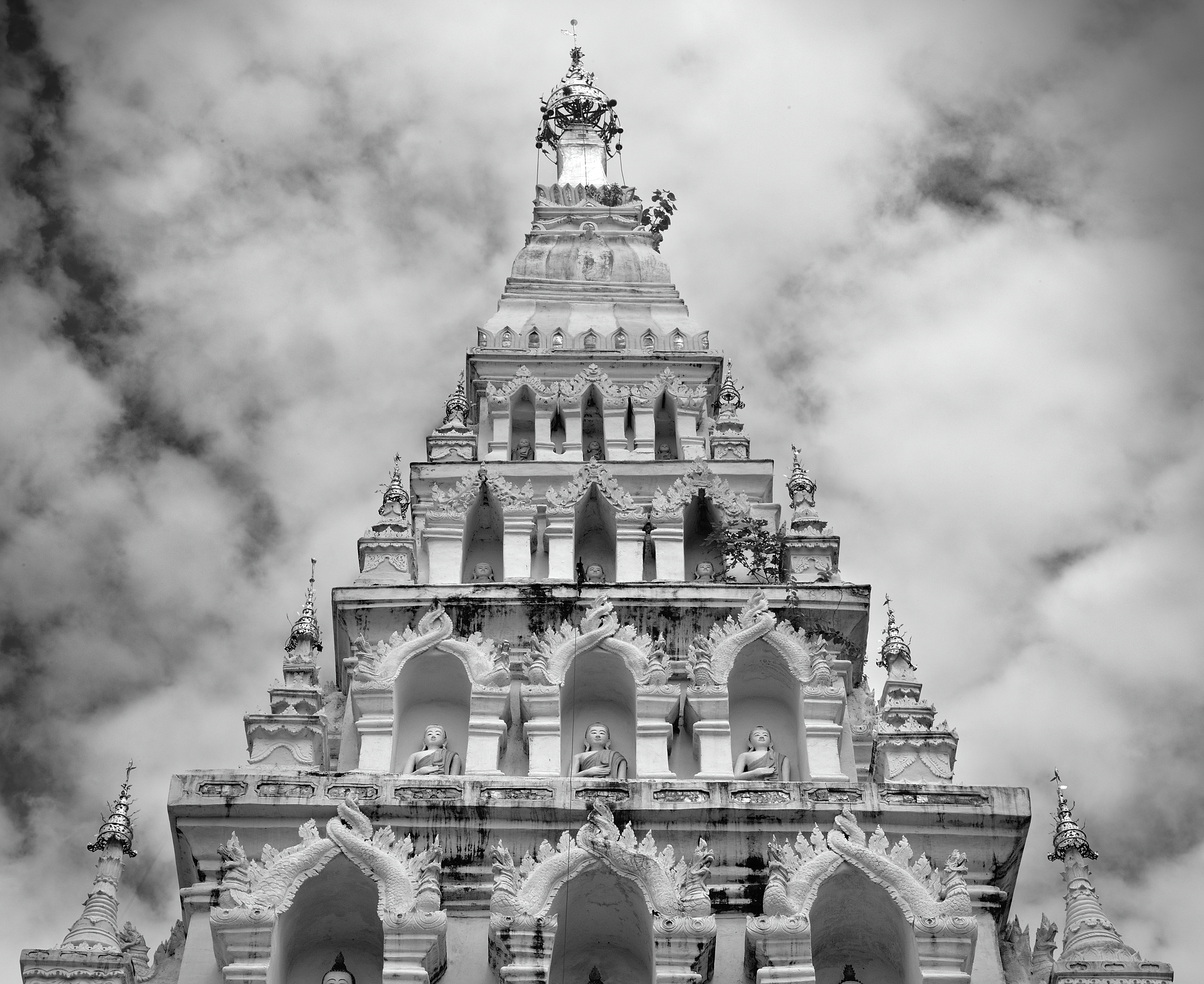
Wiang Kum Kam
Ruined city with ancient temples and floods.
Phra That Narai Cheng Weng
Khmer stupa in Sakon Nakhon, 16th–17th Buddhist century
Mueang Sing Historical Park
Khmer temple complex in Kanchanaburi, 13th–14th century