Explore the Map
Wat Nan Chang
18.7512° N, 98.9989° E
About
Wat Nan Chang (Thai: วัดหนานช้าง; "Nan Chang's Temple") is a ruined 16th or 17th century temple in the Wiang Kum Kam archaeological complex near modern Chiang Mai in northern Thailand. Excavated from 2002 to 2003, the temple primarily provides evidence of ancient flooding in the region, having been inundated by some 1.8 meters of sediment. It is speculated that it was built to face a now dried up route of the Ping River, a major transportation and trade route of historic periods. Notably within the 'Wiang Kum Kam archaeological group, the site includes structures from two different historic periods that had been built directly on top of one another. It also faces north, whereas most of the other temples in the group face east. A stucco of a makara (a mythical sea creature from Indian mythology, blending crocodile, dolphin and elephant features) with a nāga protruding from its mouth was found associated with a stairway. Under the middle of the main pedestal base for the main Buddha image in the vihara, three additional stuccos were found of a qilin (Chinese mythical creature), a hemaraj (an apparently either uniquely Thai or rare South Asian mythical lion/swan creature) and a lion. In addition, Chinese ceramics of the Ming dynasty were found in two groups, demonstrating a trade relationship between Wiang Kum Kam and China.
Historical Timeline
Journey through time and discover key events in this site's history
Temple construction
16th–17th century
Archaeological excavation
2002–2003
Archaeological Features
Unique architectural and cultural elements found at this historical site
Religious and Ritual Structures
Artistic and Decorative Features
Environmental and Natural Features
Frequently Asked Questions
Plan Your Visit
Tours, travel arrangements, and practical information

More Sites in Thailand
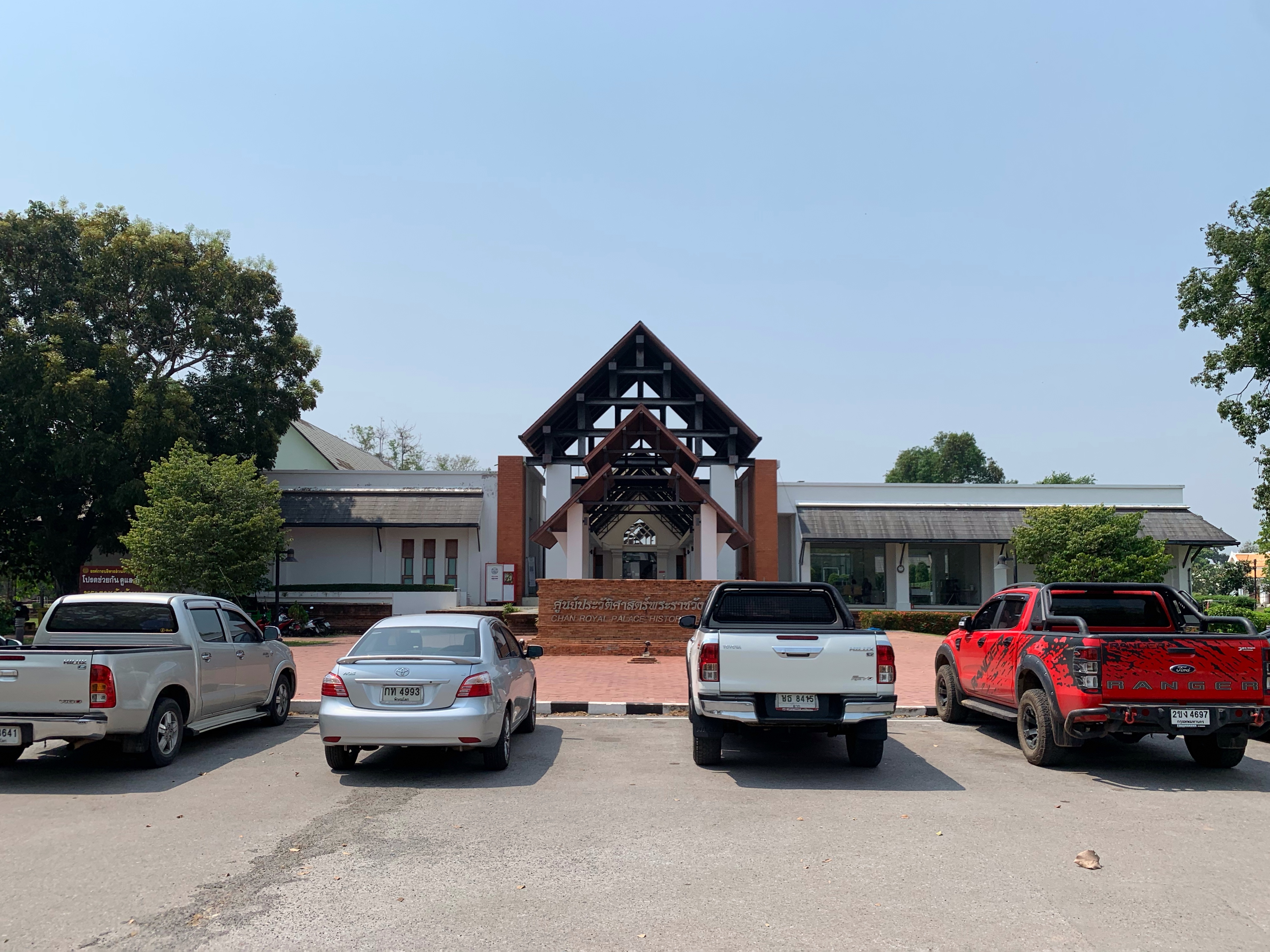
Chan Royal Palace
Ruins of Chan Palace and temples
Mueang Sing Historical Park
Khmer temple complex in Kanchanaburi, 13th–14th century
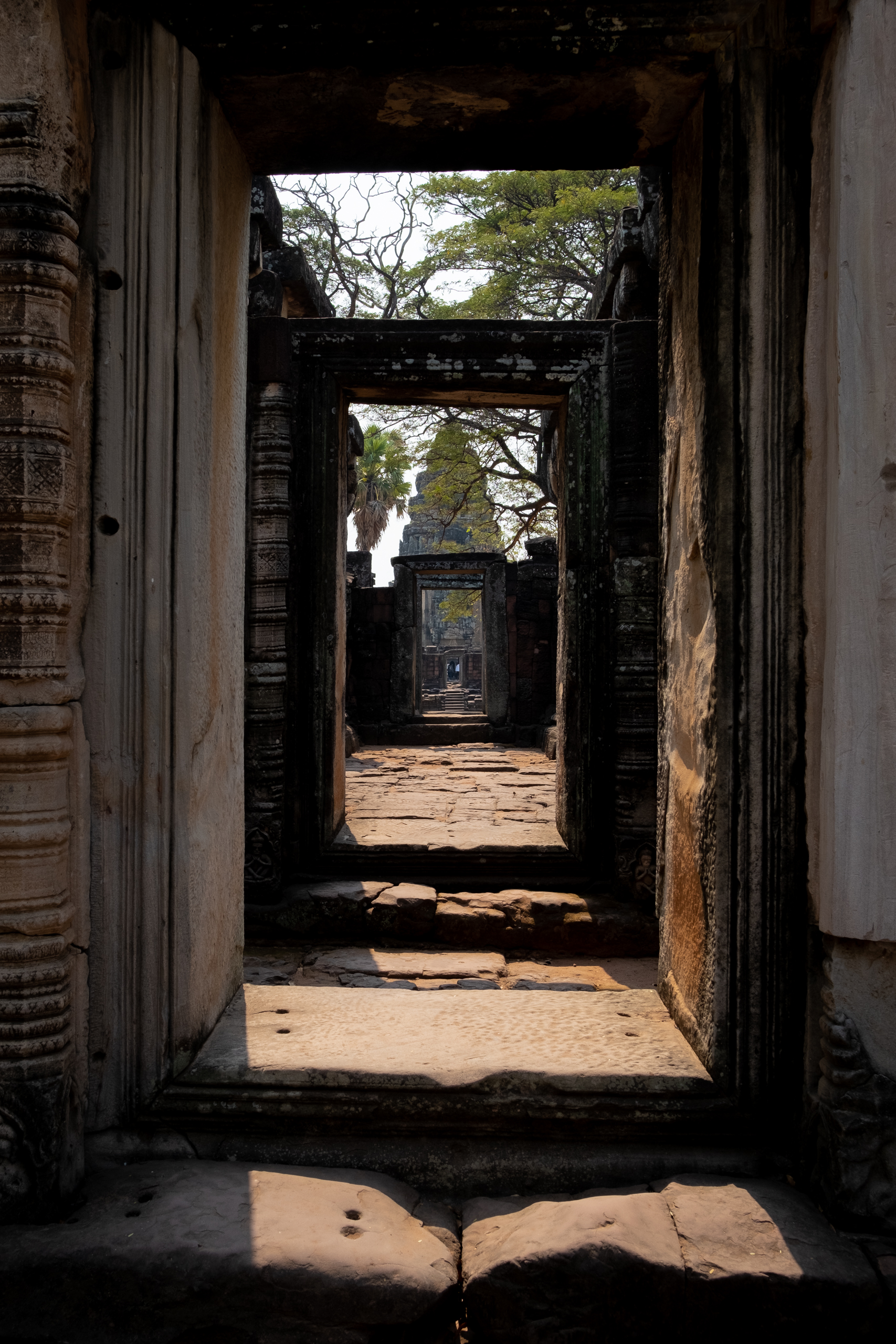
Phimai Historical Park
Ancient Khmer-Hindu temple with Buddhist influences
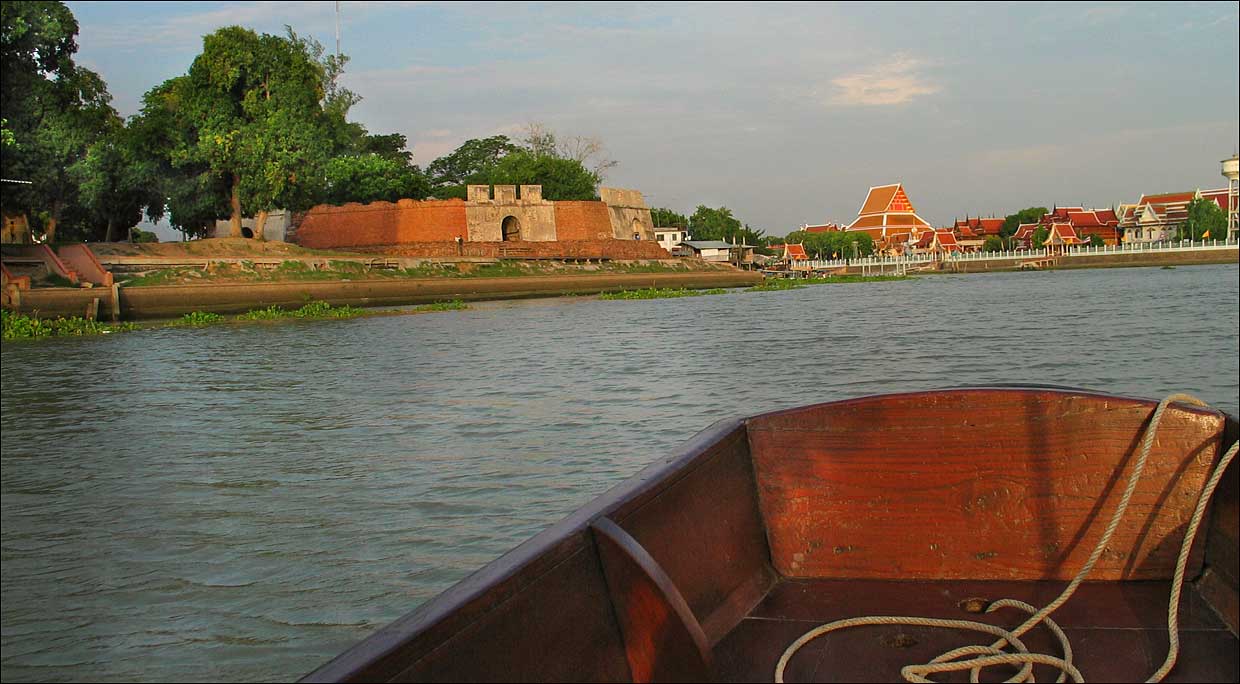
Pom Phet
Historic brick and laterite fort in Ayutthaya
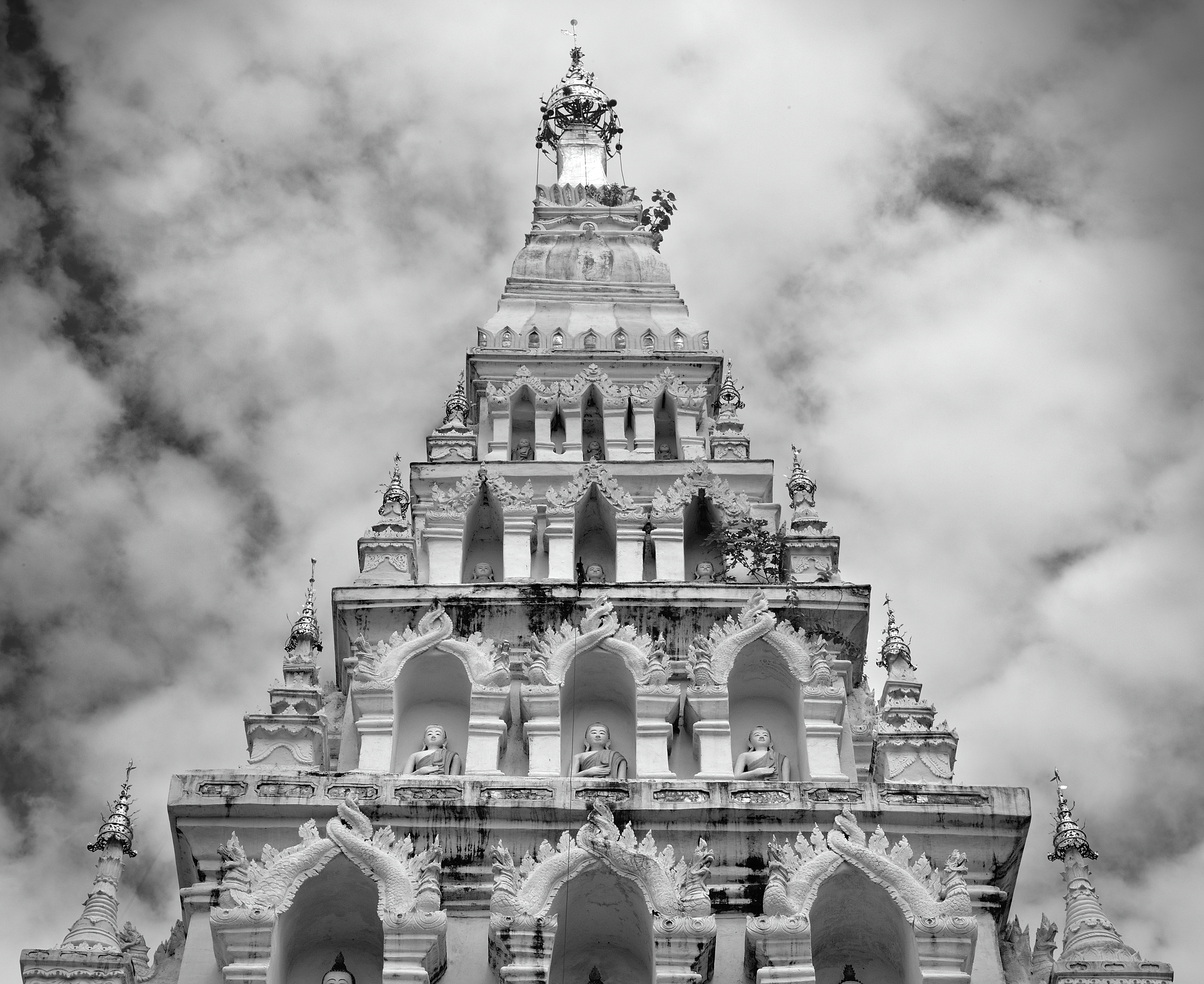
Wiang Kum Kam
Ruined city with ancient temples and floods.
Prasat Muang Tam
Khmer Hindu temple, late 10th–early 11th century, Thailand