Explore the Map
La Isabela
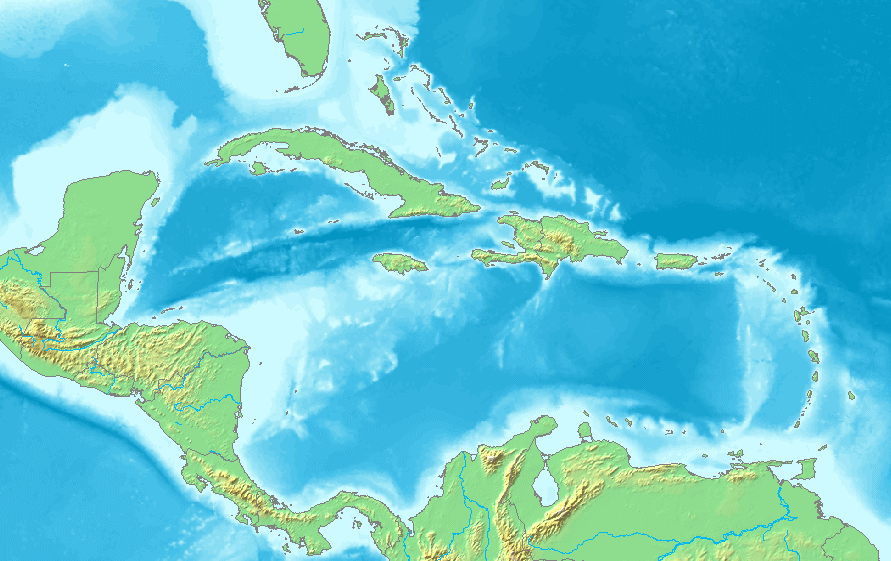
19.8873° N, -71.0804° E
About
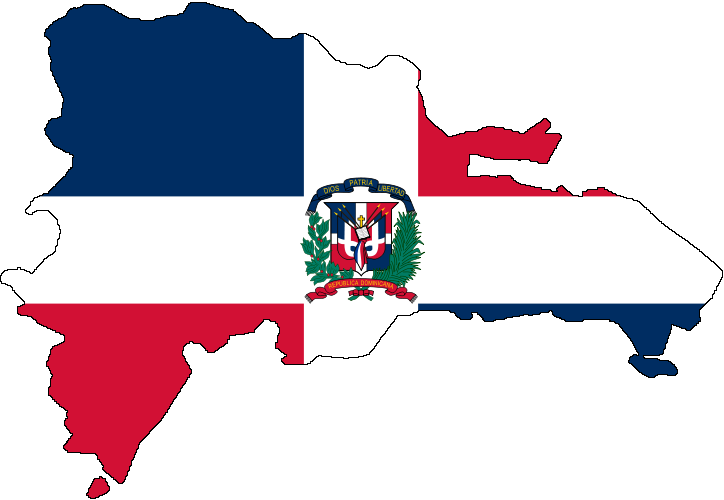
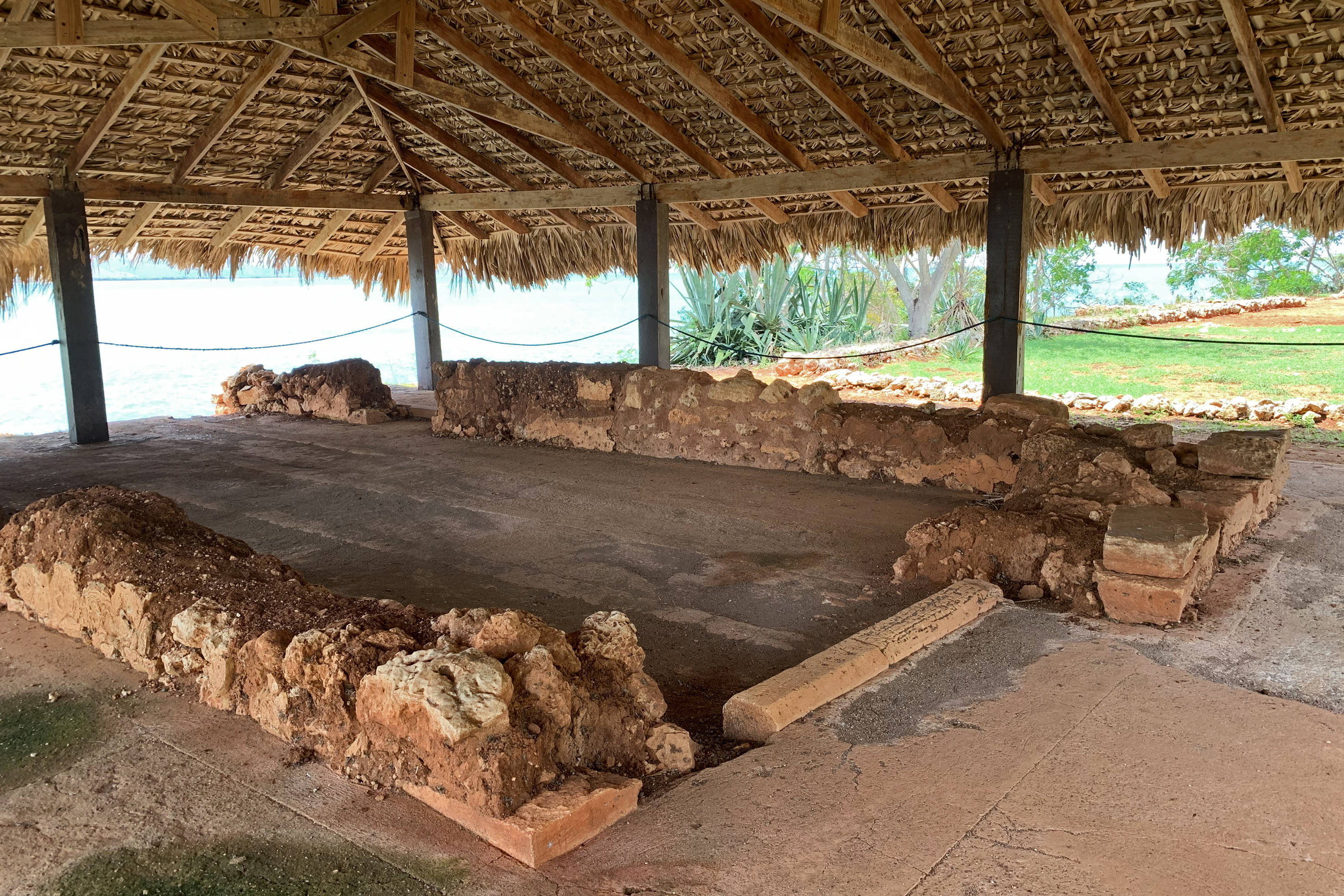
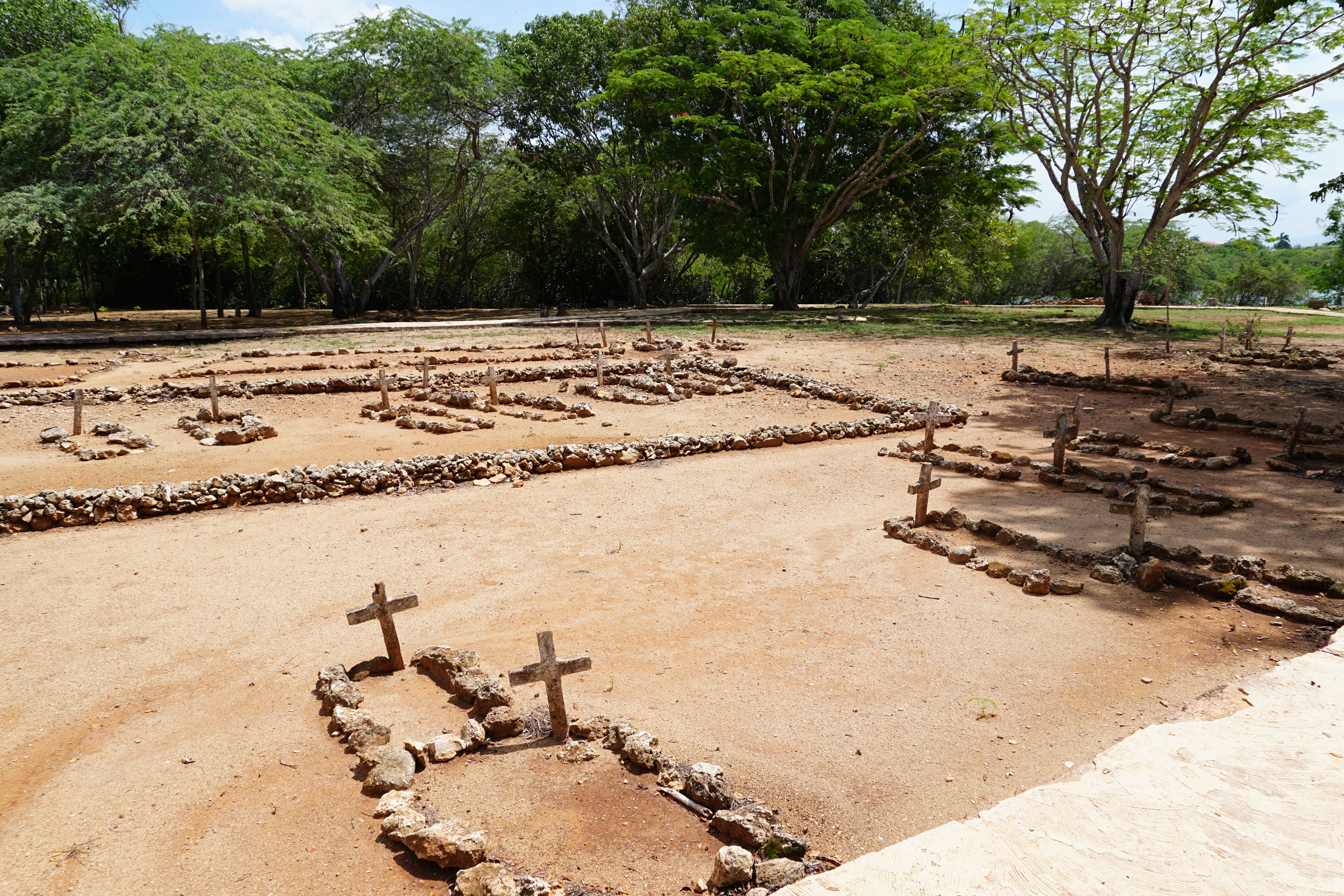
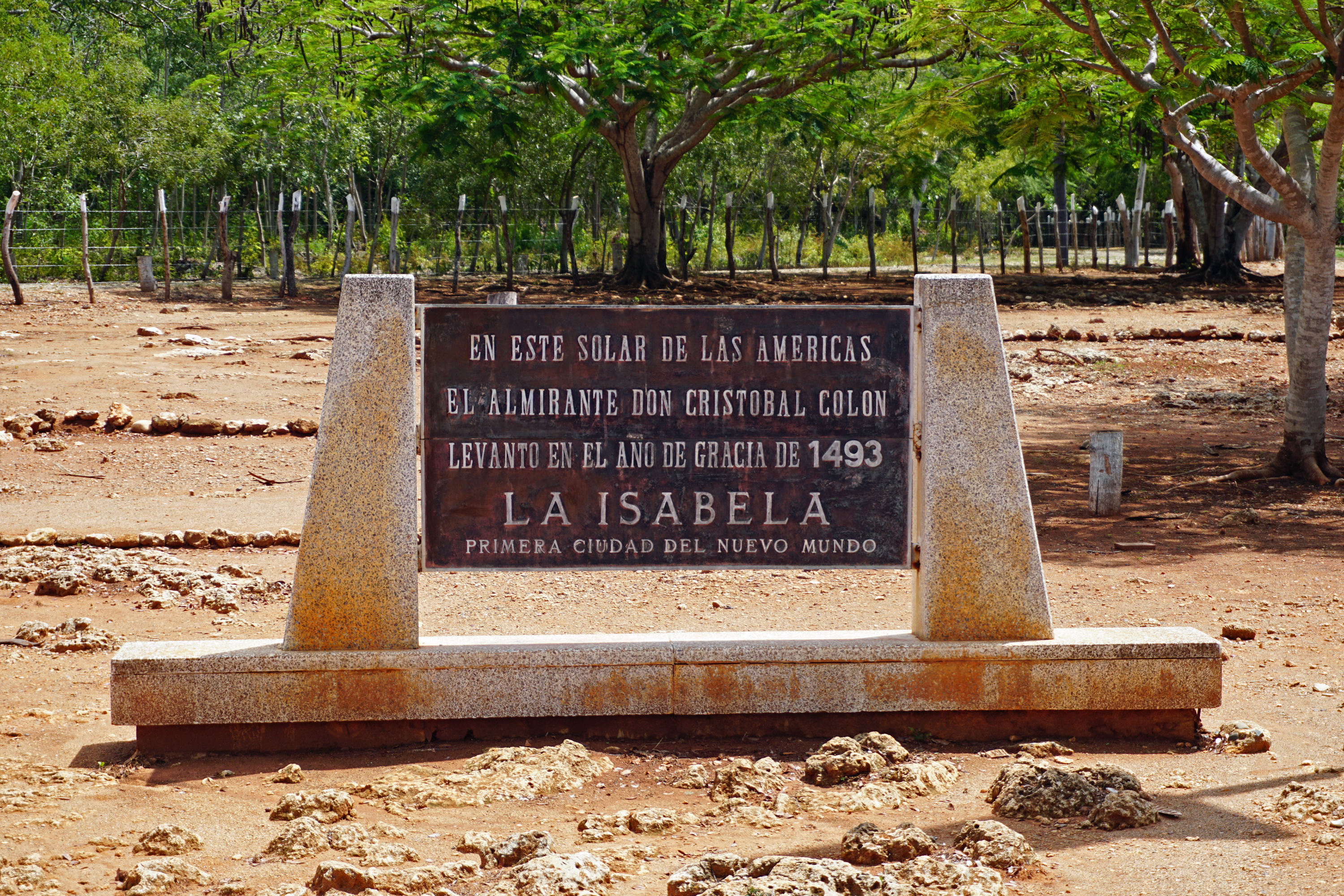
La Isabela, founded in 1493 in the Dominican Republic, holds the distinction of being the first stable Spanish settlement in the Americas. Established by Christopher Columbus during his second voyage, it was named after Queen Isabella I of Castile. The settlement featured houses, a Roman Catholic church, storerooms, and a stone house for Columbus. La Isabela was initially established for the search of precious metals, and became the site for significant historical events including the first mass celebrated in the New World, the introduction of European diseases like influenza, and the observation of North Atlantic hurricanes by Europeans. The settlement faced challenges such as hunger, disease, and resistance from the local Taíno people, leading to its abandonment by 1500. Archaeological findings include European and African skeletal remains and artifacts dated back to the 15th century.
Gallery
Explore photographs of ancient structures, artifacts, and archaeological excavations
Historical Timeline
Journey through time and discover key events in this site's history
Establishment of La Isabela
1493 CE
First Mass celebrated
1494 CE
Hurricane hits La Isabela
1495 CE
Columbus departs for Spain
1496 CE
Abandonment of La Isabela
1500 CE
Archaeological Features
Unique architectural and cultural elements found at this historical site
Burial and Funerary Structures
Religious and Ritual Structures
Artistic and Decorative Features
Domestic and Habitation Structures
Transportation and Communication Structures
Plan Your Visit
Tours, travel arrangements, and practical information