Explore the Map
Pomier Caves
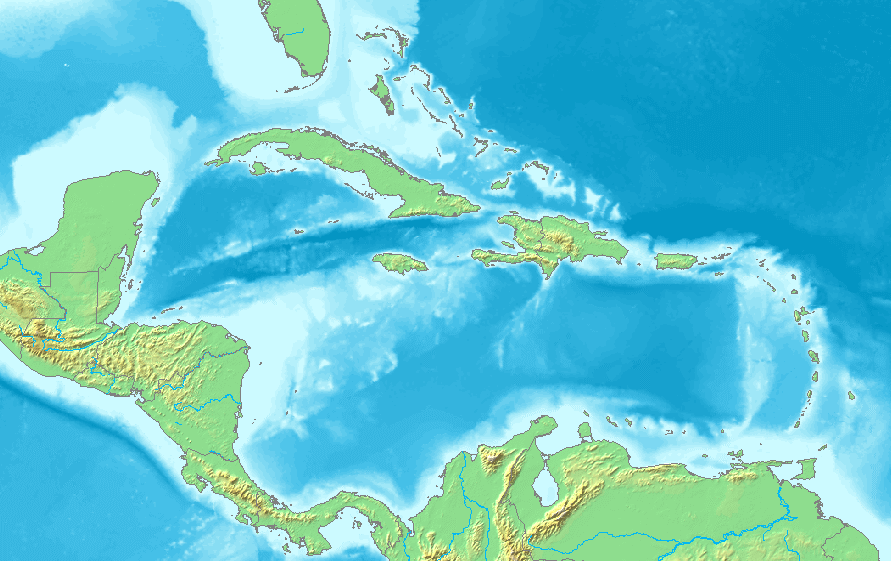
18.4677° N, -70.1350° E
About
The Pomier Caves, located in the south of the Dominican Republic, comprise a network of 55 caves that serve as a significant archaeological site in the Caribbean. These caves are renowned for housing the largest collection of rock art in the region, primarily created by the Taíno people some 2,000 years ago. The art includes approximately 6,000 drawings, carvings, and pictographs depicting birds, fish, reptiles, and human figures, created using charcoal mixed with animal fat. This site offers invaluable insight into the pre-Columbian history and cultures of the Caribbean Islands, specifically the Taíno, Kalinago, and Igneri peoples. Despite facing threats from nearby limestone mining, efforts have been made to protect and preserve this cultural heritage. The Pomier Caves are being considered for the designation of Prehistoric Capital of the Antilles due to their archaeological significance.
Gallery
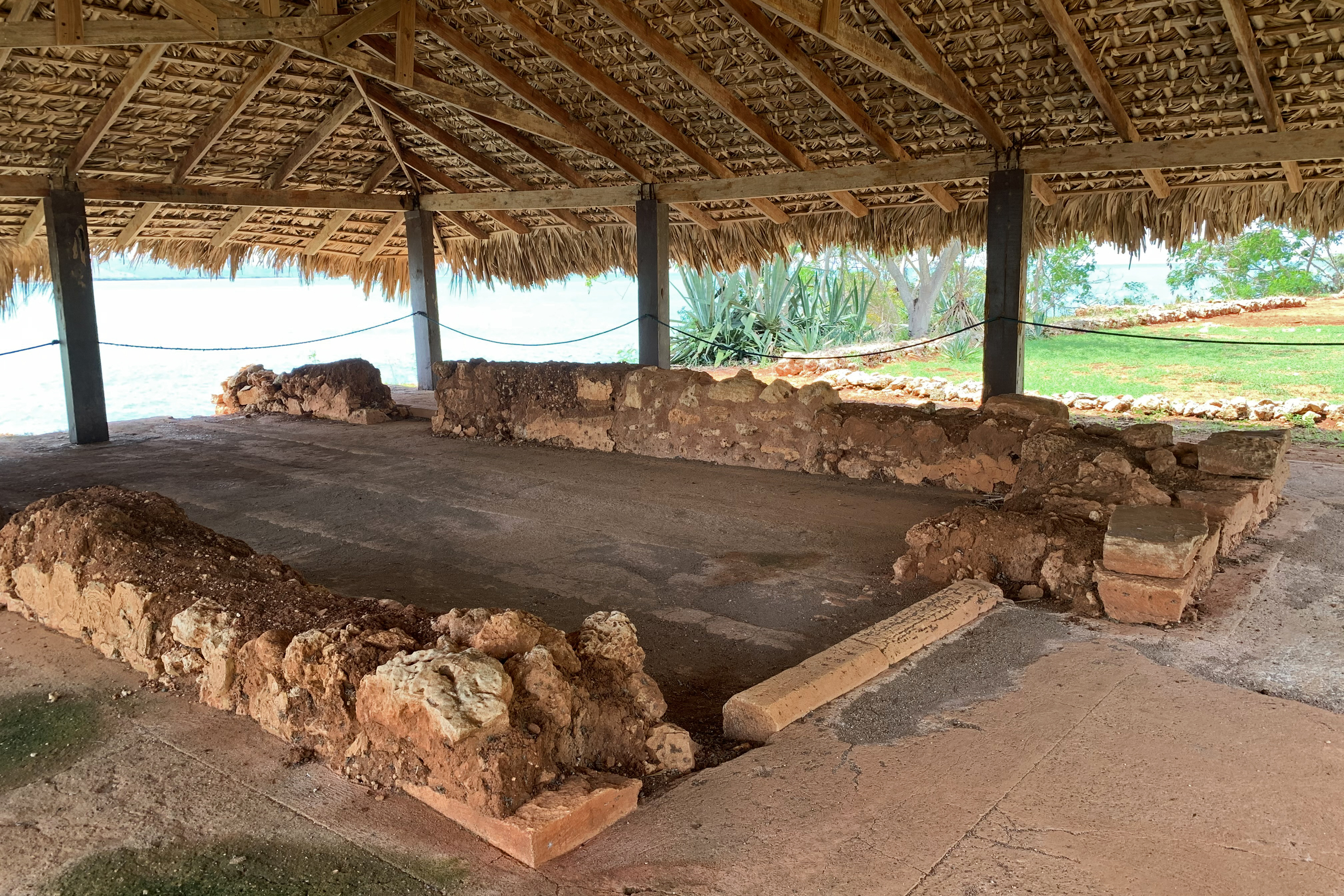
Explore photographs of ancient structures, artifacts, and archaeological excavations
Historical Timeline
Journey through time and discover key events in this site's history
Taíno art creation
100 CE
Archaeological Features
Unique architectural and cultural elements found at this historical site
Artistic and Decorative Features
Domestic and Habitation Structures
Frequently Asked Questions
Plan Your Visit
Tours, travel arrangements, and practical information