Explore the Map
Leluh archaeological site
5.3325° N, 163.0250° E
About
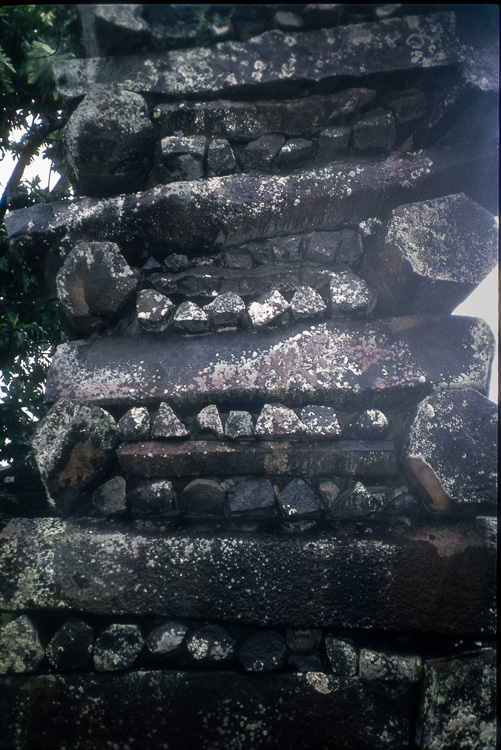
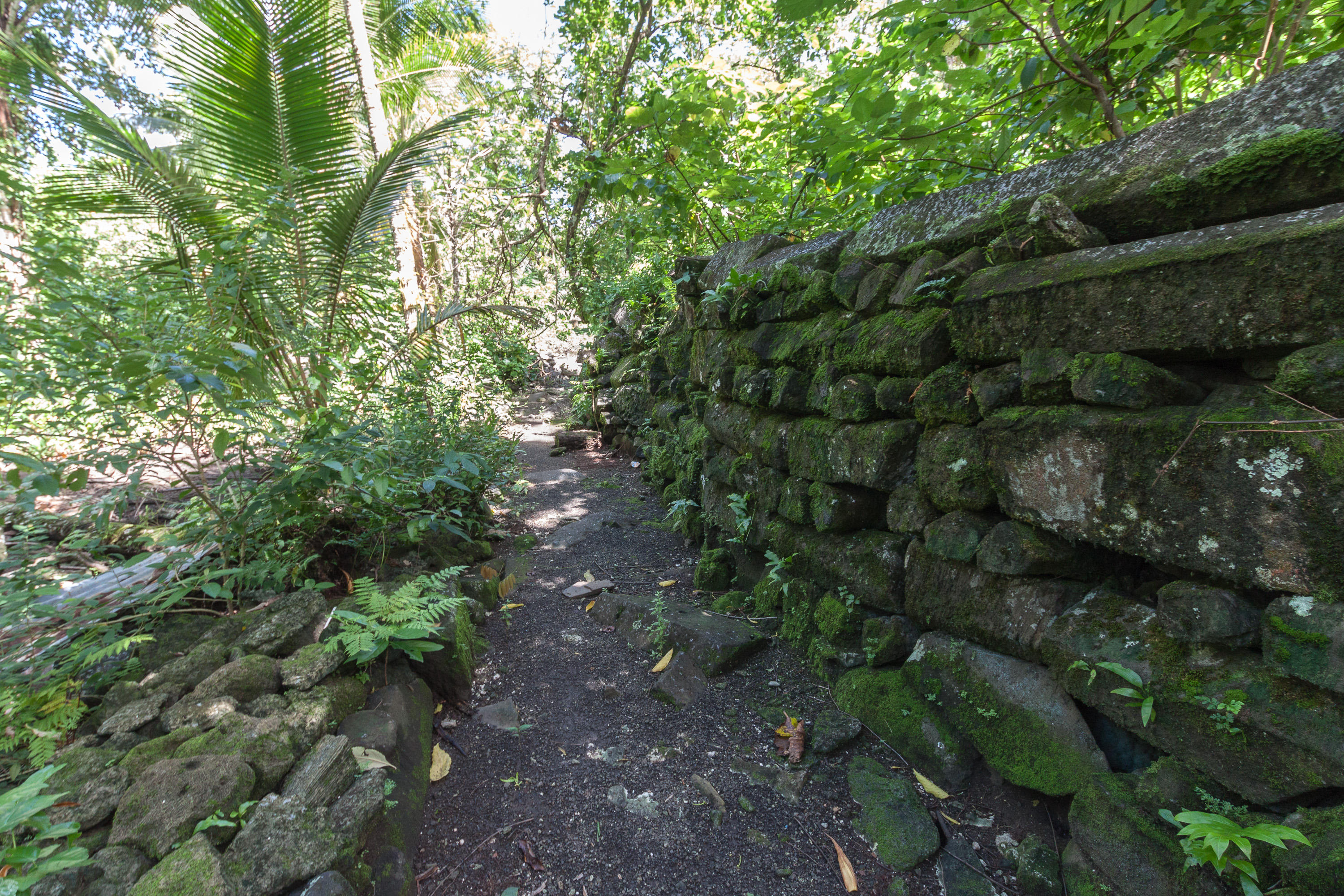
The Leluh archaeological site, located on Lelu Island, Micronesia, represents a significant prehistoric and historic city built from coral and basalt. The city is notable for its complex social structure, reflected in its architecture, which includes royal tombs, sacred spaces, and housing that varied according to social class. This civilization peaked between the 14th and 15th centuries CE, and its influence extended throughout Kosrae island, governed by a monarchy akin to those in Tonga and Hawaii. By the early 19th century, European contact marked a period of change, leading to a dramatic population decline by 1870. Despite the recycling of materials over the 20th century, Leluh remains a crucial site for understanding regional dynamics and social hierarchies in ancient Micronesia.
Gallery
Explore photographs of ancient structures, artifacts, and archaeological excavations
Historical Timeline
Journey through time and discover key events in this site's history
Civilization Peak
14th - 15th century CE
European Contact
19th century CE
Population Decline
1870 CE
Archaeological Features
Unique architectural and cultural elements found at this historical site
Burial and Funerary Structures
Religious and Ritual Structures
Domestic and Habitation Structures
Frequently Asked Questions
Plan Your Visit
Tours, travel arrangements, and practical information