Explore the Map
Monastery of Euthymius
31.7922° N, 35.3361° E
About
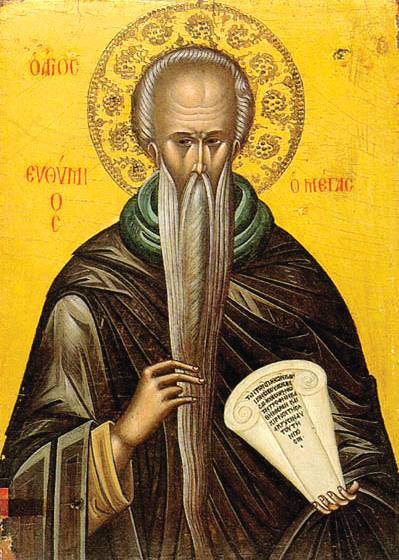
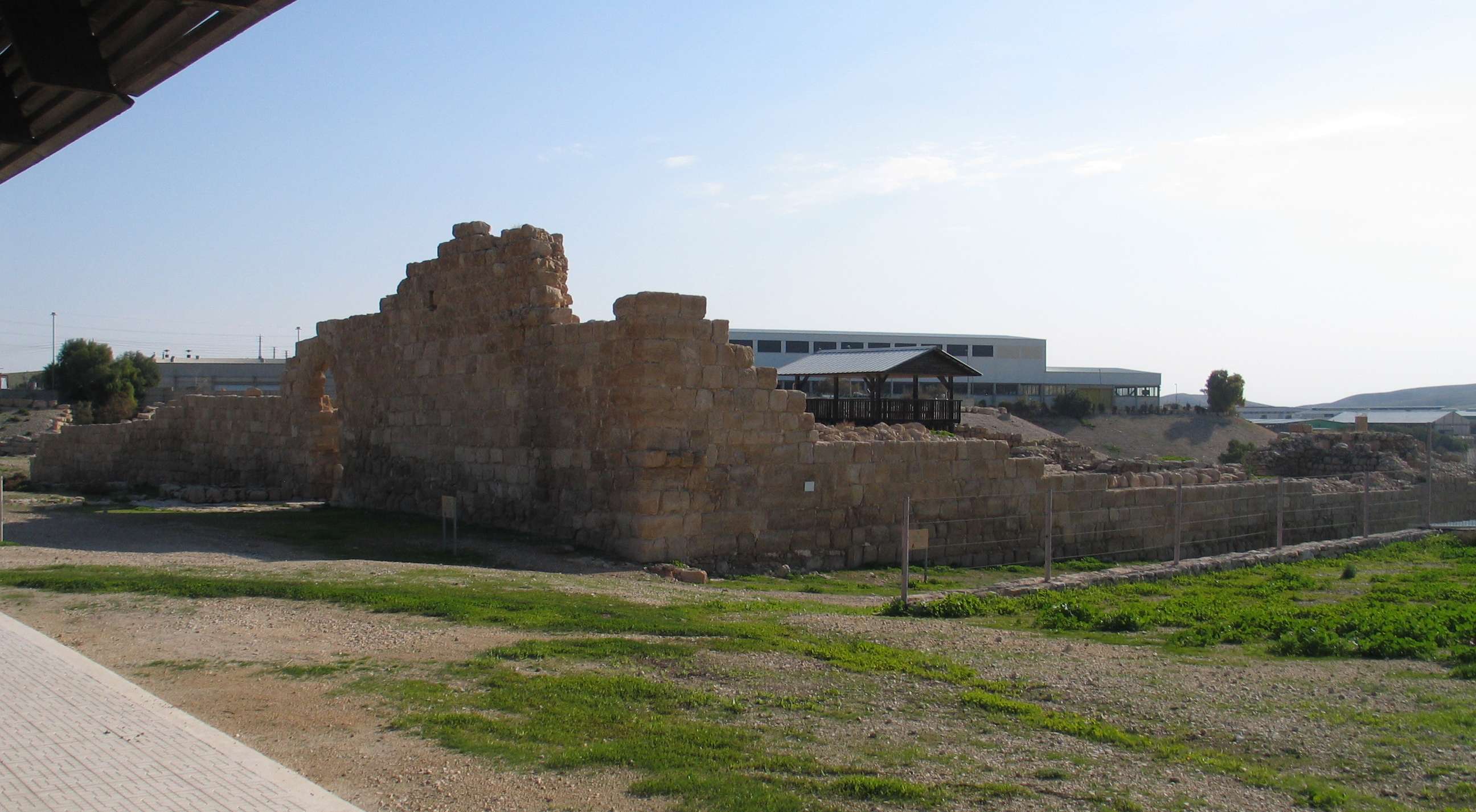
The Monastery of Euthymius, originally a lavra-type monastic settlement, was founded by Saint Euthymius the Great in 420 CE in the Judaean desert. Known for its religious significance, the site evolved from a solitary lavra into a Byzantine cenobium, reflecting the spread of the Sabaite monastic tradition and Chalcedonian orthodoxy. The structure endured natural disasters and attacks, including an earthquake in 660 CE and Bedouin raids in the late 8th century, leading to periods of reconstruction. During the Crusader period, the monastery saw significant restoration. Abandoned in the 13th century, it was repurposed as a caravanserai named Khan al-Ahmar. The site's enduring ruins offer insights into its historical transformations, serving both religious and commercial purposes over time.
Gallery
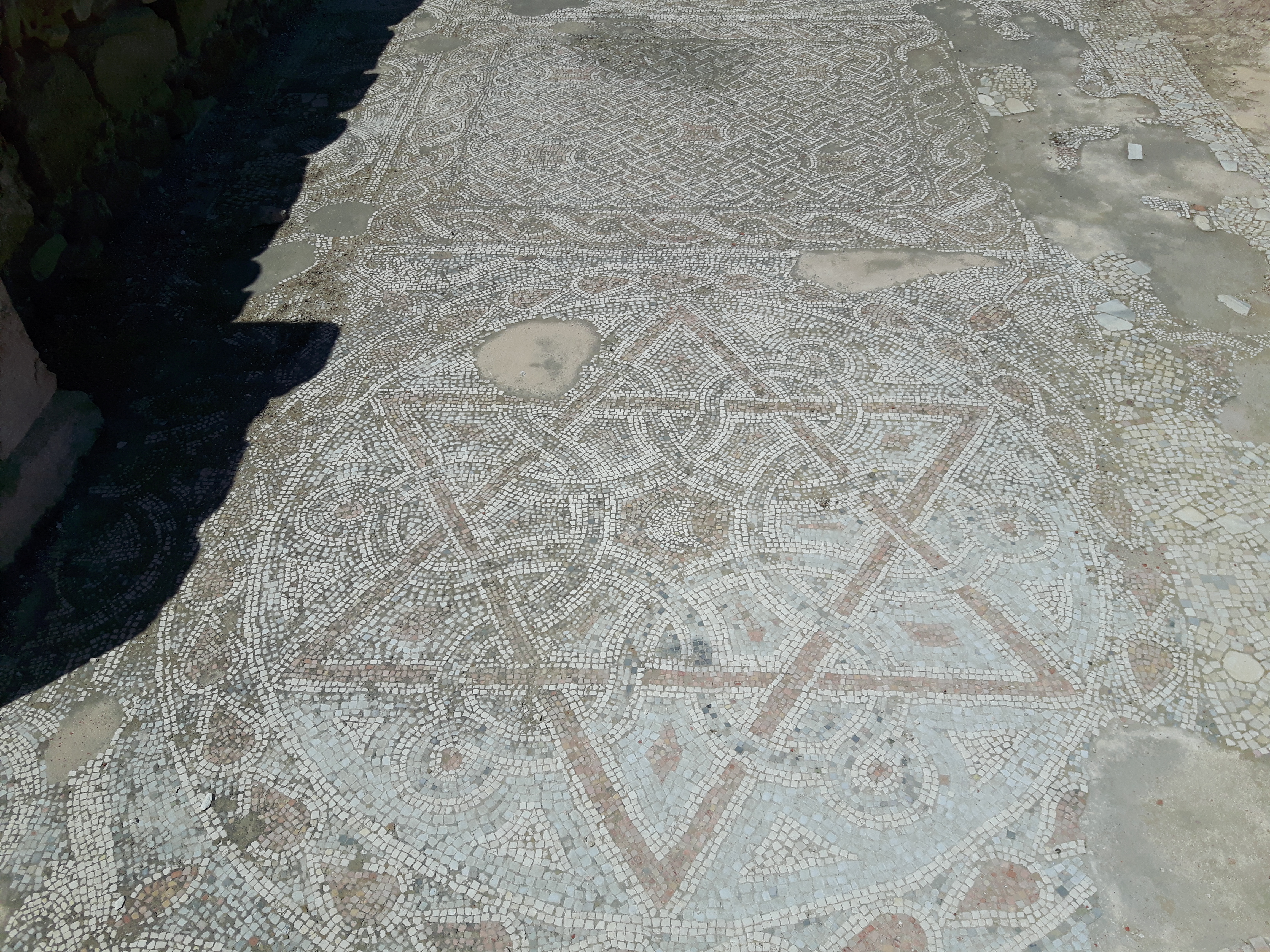
Explore photographs of ancient structures, artifacts, and archaeological excavations
Historical Timeline
Journey through time and discover key events in this site's history
Founding of Lavra
420 CE
Church Consecration
428 CE
Death of Euthymius
473 CE
New Church Consecration
482 CE
Earthquake and Rebuilding
660 CE
Bedouin Attack
796/797 CE
Crusader Restoration
12th century CE
Final Abandonment
13th century CE
Conversion to Caravanserai
13th century CE
Archaeological Features
Unique architectural and cultural elements found at this historical site
Defensive Structures
Religious and Ritual Structures
Transportation and Communication Structures
Frequently Asked Questions
Plan Your Visit
Tours, travel arrangements, and practical information