Time Periods
Paleolithic
Mesolithic
Neolithic
Chalcolithic
Bronze Age
Iron Age
Classical Period
Post-Classical Period
Early Modern Period
Industrial Period
Contemporary Period
Time Periods
Paleolithic
Mesolithic
Neolithic
Chalcolithic
Bronze Age
Iron Age
Classical Period
Post-Classical Period
Early Modern Period
Industrial Period
Contemporary Period
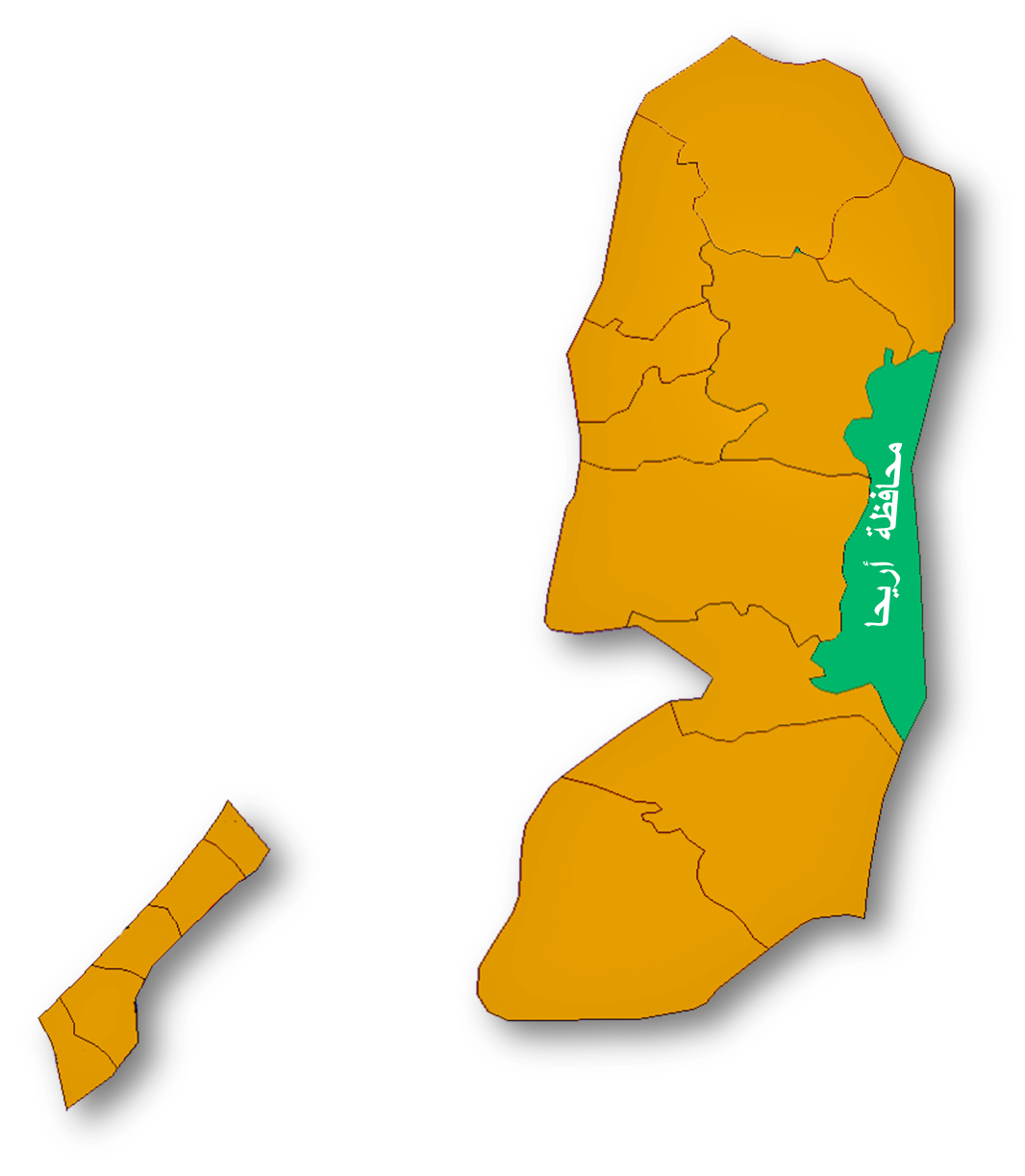
Location
About
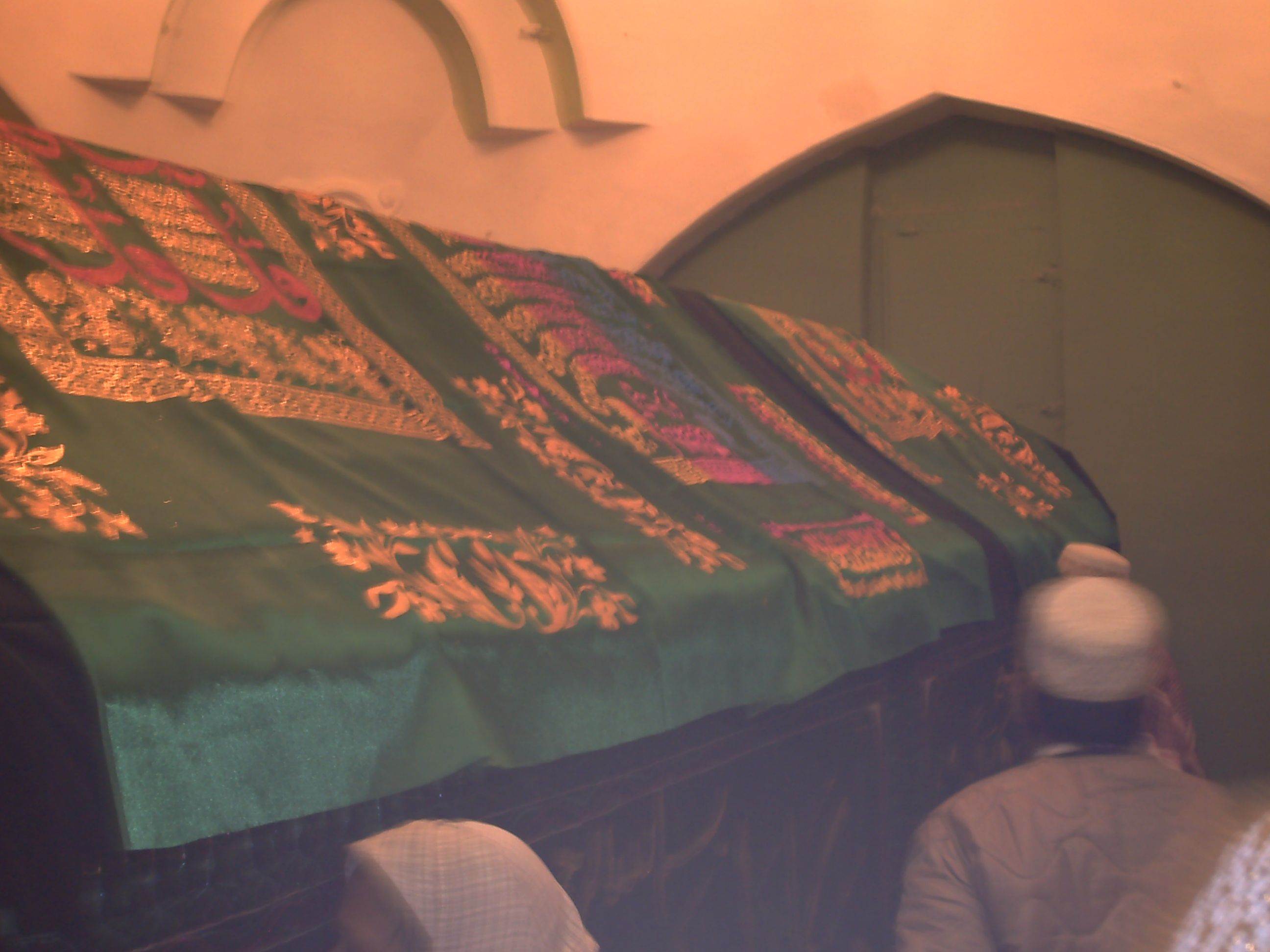
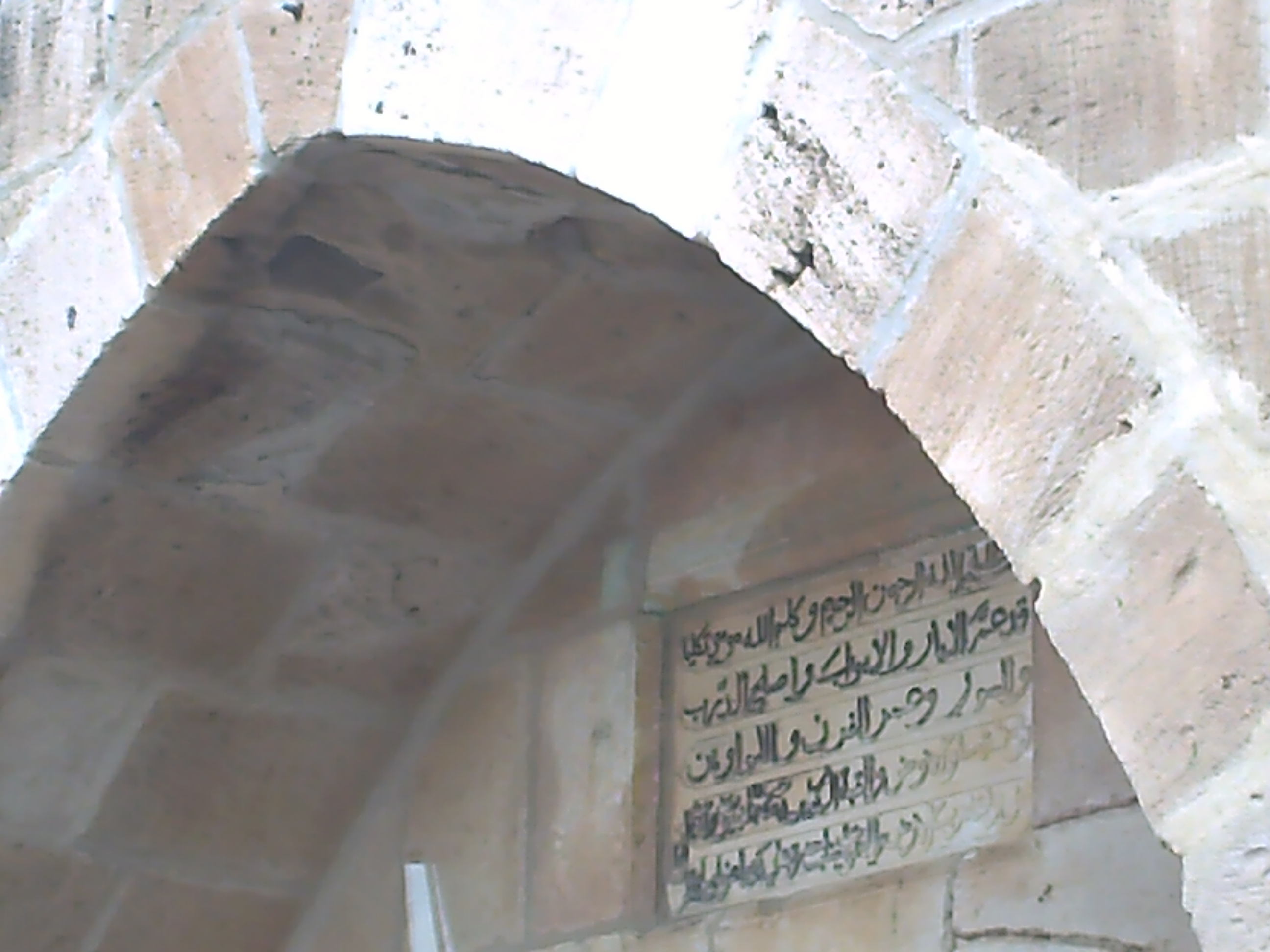
Nabi Musa is a significant religious site located in the Judaean Desert, 11 km south of Jericho. This compound is centered around a mosque reputed to contain the tomb of the Prophet Moses, making it a focal point for Muslim pilgrimage. Historically, the site's religious importance was solidified in the 13th century when the Mamluk Sultan Baibars constructed a shrine there. The site has evolved over centuries, with notable enhancements during the Ottoman period, including the establishment of a festival that coincided with the Christian Easter celebrations. This festival became a significant expression of Palestinian identity. Nabi Musa continues to hold religious and cultural significance, blending its historical and spiritual narratives within the region's complex socio-political landscape.
Gallery
Explore photographs of ancient structures, artifacts, and archaeological excavations at Nabi Musa
Archaeological Features
Explore the unique architectural and cultural elements found at this historical site
Burial and Funerary Structures
Religious and Ritual Structures
Transportation and Communication Structures
Historical Timeline
Journey through time and discover key events in this site's archaeological history
Plan Your Visit
Details
- Country
- the State of Palestine
- Source
- Wikipedia