
Explore the Map
Hierapolis
37.9250° N, 29.1258° E
About
Hierapolis (; Ancient Greek: Ἱεράπολις, lit. "Holy City") was a Hellenistic Greek city built on the site of a Phrygian cult center of the Anatolian mother goddess Cybele, in Phrygia in southwestern Anatolia. It was famous for its hot springs, its high quality wool fabrics and dyes, and as the birthplace of the Stoic philosopher Epictetus. Its extensive remains are adjacent to modern Pamukkale in Turkey. The hot springs have been used as a spa since at least the 2nd century BCE, with many patrons retiring or dying there as evidenced by the large necropolis filled with tombs, most famously that of Marcus Aurelius Ammianos, which bears a relief depicting the earliest known example of a crank and rod mechanism, and the Tomb of Philip the Apostle. Hierapolis was added as a UNESCO World Heritage Site in 1988. The Italian Archaeological Mission of Hierapolis of Frigia (MAIER) has operated at the site since 1957 and is currently directed by Grazia Semeraro, Professor of Classical Archaeology at the University of Salento.
Plan Your Visit
Tours, travel arrangements, and practical information
More Sites in Turkey
Tilmen Hoyuk
Bronze Age city mound in southern Turkey
Euromus
Ancient Carian city and temple, 6th century BCE
Larissa Phrikonis
Aeolian city ruins in western Turkey
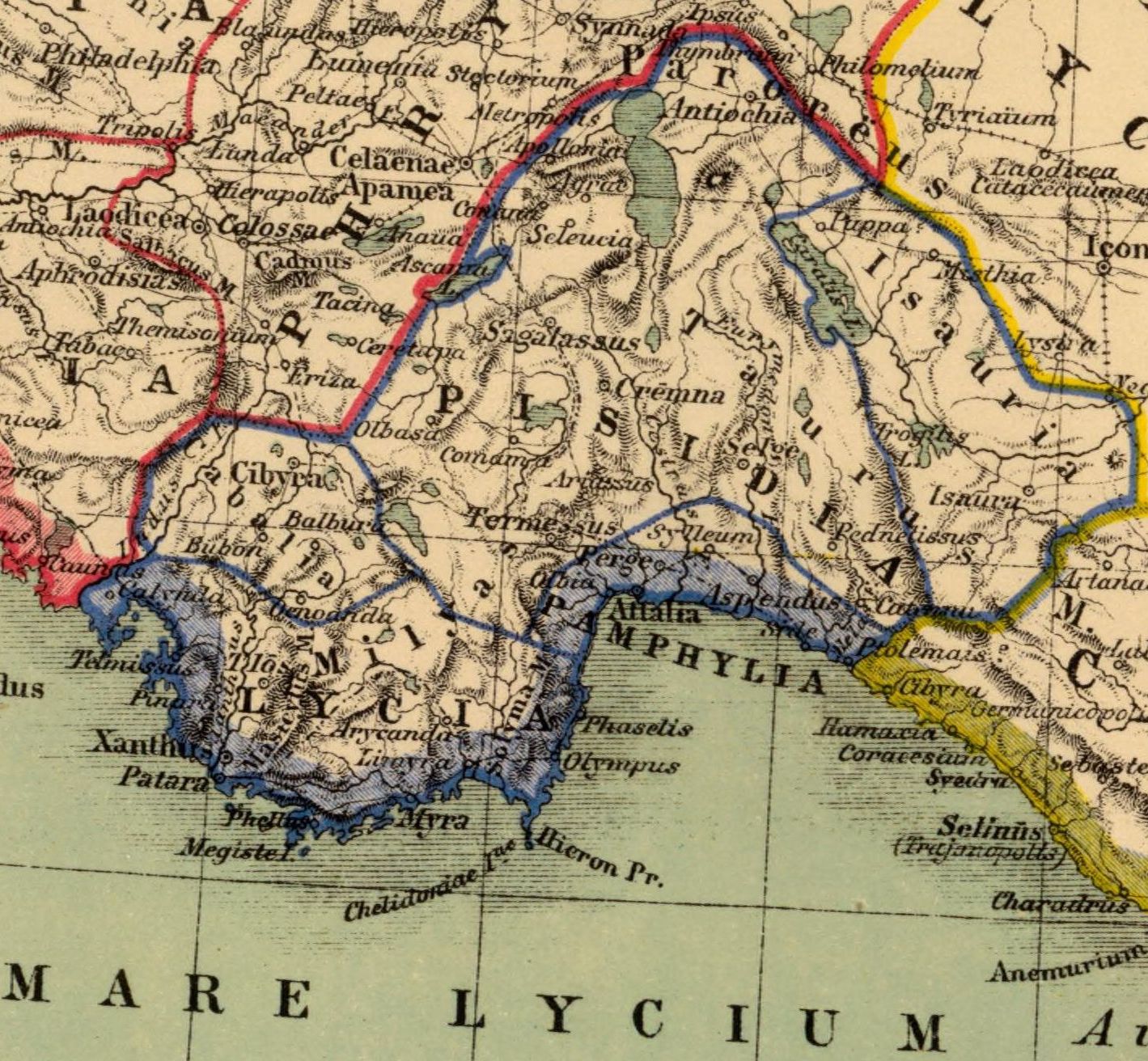
Lysinia
Ancient town in Pisidia, later Pamphylia.
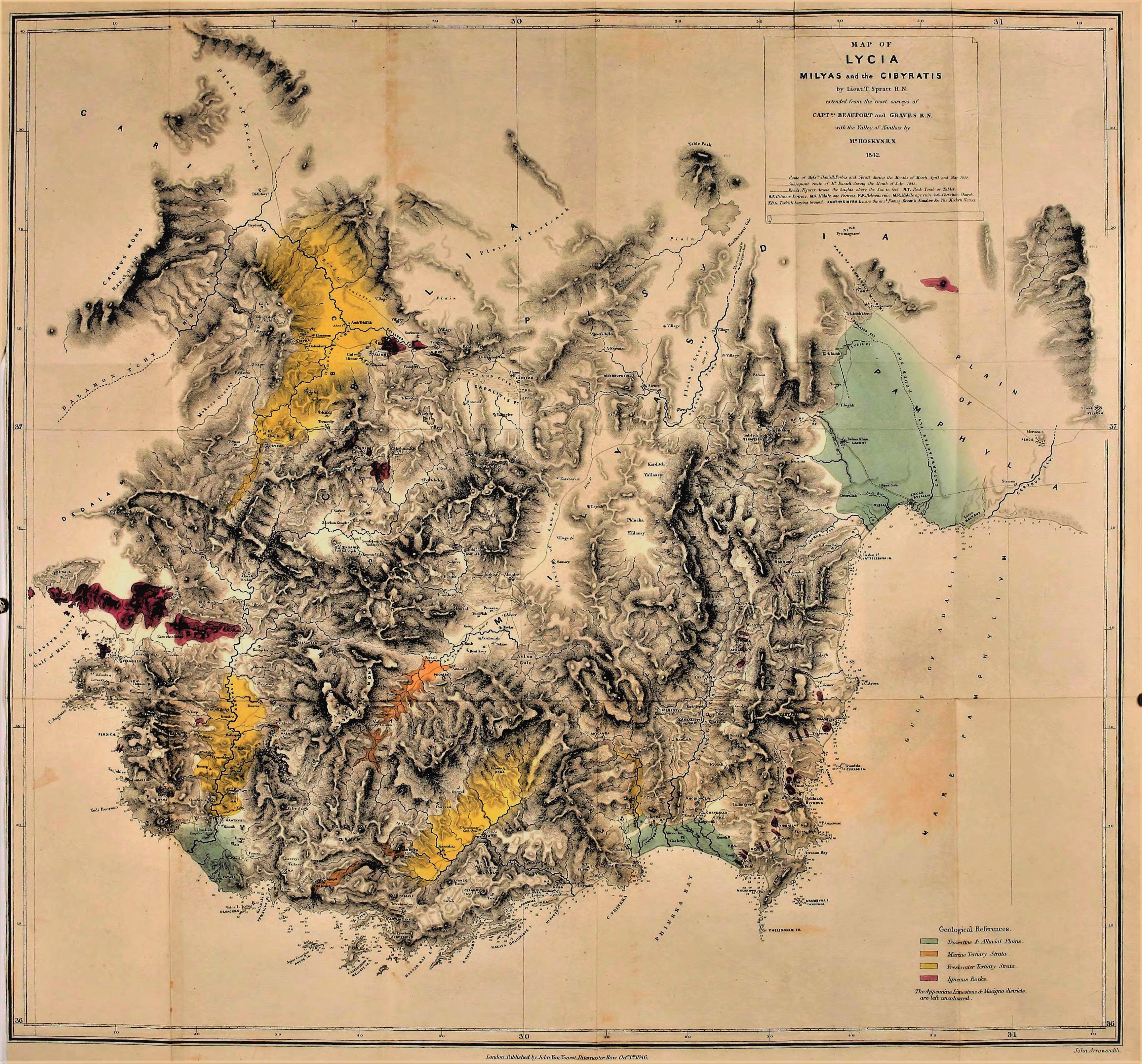
Melanippe (Lycia)
Ancient coastal town on Mount Phoenicus.
Bisanthe
Bisanthe (Ancient Greek: Βισάνθη) was a great city in ancient Thrace, on the coast of the Propontis, which had been founded by the Samians.