Yenikapı Shipwrecks
37 Byzantine shipwrecks, 5th–11th century AD, discovered during Marmaray construction in Istanbul
Explore the Map
Yenikapı Shipwrecks
41.0030° N, 28.9500° E
About
The Yenikapı shipwrecks are a collection of 37 exceptionally well-preserved Byzantine-era vessels discovered beneath the modern Yenikapı neighbourhood of Istanbul, Turkey, during construction of the Marmaray rail tunnel between 2004 and 2013. The ships were found within the silted basin of Constantinople's Theodosian Harbour (Portus Theodosiacus), built by Emperor Theodosius I in the late 4th century AD on the shore of the Sea of Marmara. Waterlogged, anaerobic conditions within the harbour sediments preserved the wooden hulls, rigging, rope, and leather fittings to a remarkable degree, alongside thousands of artefacts including amphorae (some still sealed with cargo), anchors, coins, metalwork, and pottery. The vessels date from the 5th to the late 10th or early 11th century AD and represent a wide range of ship types: small fishing boats, coastal traders, large merchant roundships, and, crucially, the first Byzantine galleys (warships) ever identified archaeologically. In addition to the ships, excavations uncovered evidence of the earliest settlement in Istanbul, with finds including animal remains, amphorae, and human skulls dating to approximately 6000 BC. The Yenikapı shipwrecks constitute the largest single collection of medieval ships ever recovered from one site. Research, documentation, and conservation are led jointly by the Istanbul Archaeological Museums, Istanbul University, and the Institute of Nautical Archaeology (INA), with conservation of selected hulls carried out at INA's Bodrum Research Center. A future site museum is planned to display the conserved vessels in Istanbul.
Historical Timeline
Journey through time and discover key events in this site's history
Active harbour period
4th–11th century
Harbour abandonment
11th–16th century
Harbour construction
late 4th century
Discovery
2004
Main excavation
2004–2013
Ongoing conservation and research
2013–present
Archaeological Features
Unique architectural and cultural elements found at this historical site
Storage Structures
Artifacts and Objects
Domestic and Habitation Structures
Watercraft and Maritime Structures
Transportation and Communication Structures
Frequently Asked Questions
Plan Your Visit
Tours, travel arrangements, and practical information
More Sites in Turkey
Blaundus
Hellenistic city ruins in western Anatolia, Turkey
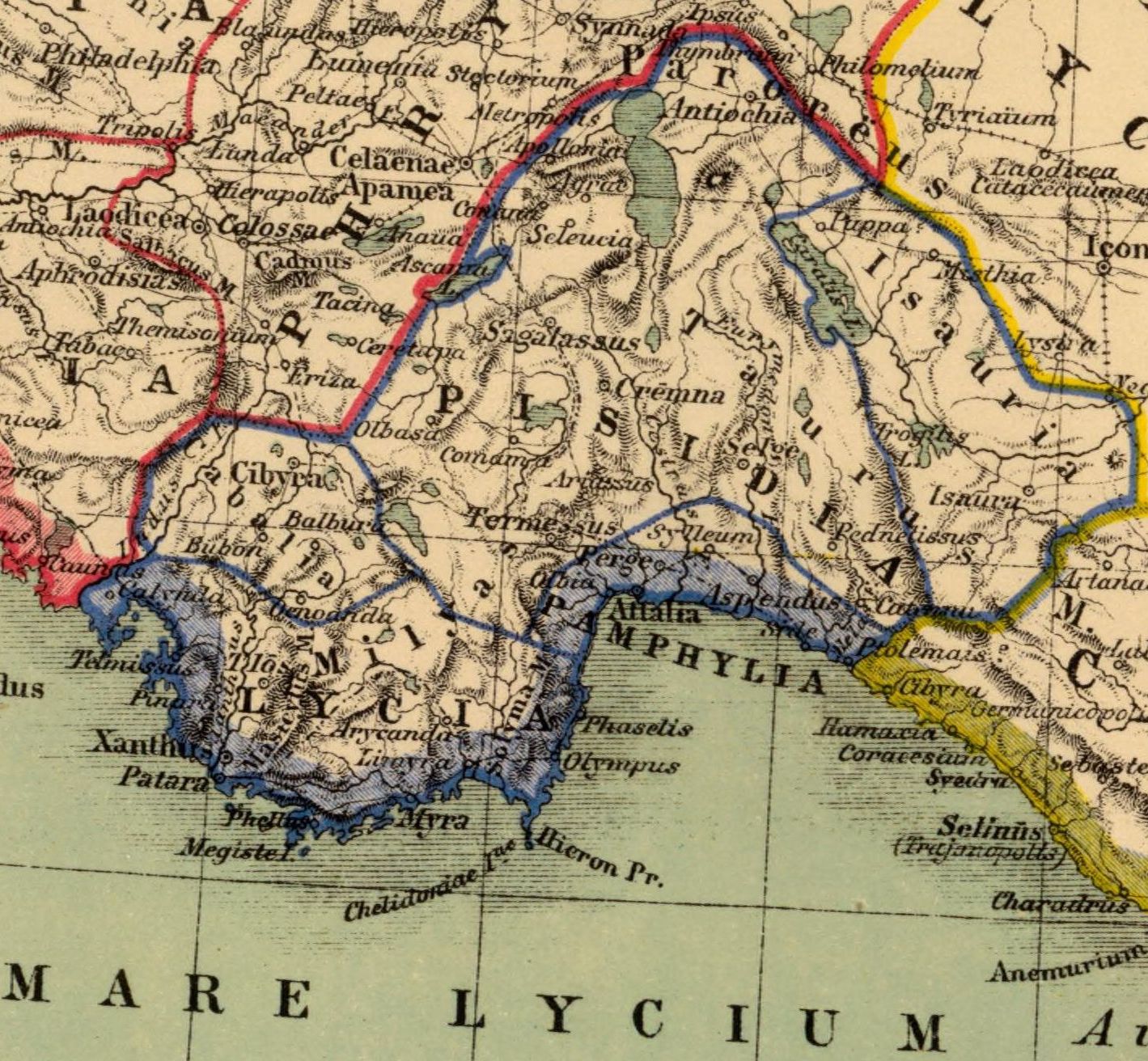
Lysinia
Ancient town in Pisidia, later Pamphylia.
Euromus
Ancient Carian city and temple, 6th century BCE
Larissa Phrikonis
Aeolian city ruins in western Turkey
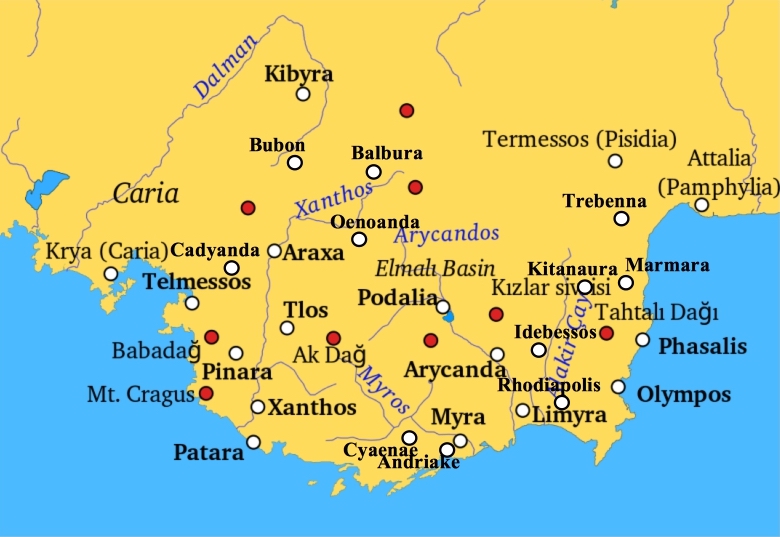
Marmara (Lycia)
Sheer rock acropolis with temple remains.
Library of Celsus
Roman library, early 2nd century CE