Explore the Map
Alabum
52.0012° N, -3.7934° E
About
The rectangular enclosure that defined this Roman fort was built in the 70s AD as part of the campaign to integrate southern Wales into the Roman province of Britannia Superior. It lay on a key road, now known as the Sarn Helen (RR69), from the legionary fortress of Isca Augusta (Caerleon) that ran north west across Wales to Bremia and on to North Wales. It also sat on a road (the Via Julia Montana, or RR623) running from Moridunum (Carmarthen) across to eastern Wales at Castell Collen (Llandrindod Wells). It thus held an important crossroads along with a bridging point over the River Towy, and the town that grew up near the fort retained its significance and became Llandovery.
Historical Timeline
Journey through time and discover key events in this site's history
Scheduled Ancient Monument designation
11 April 1961
Possible earlier foundation
50s AD
Fort constructed
70s AD
Chain of forts active
70s–120s AD
Later occupation evidence
4th century AD
Early documentation note
1873
First Series Ordnance Survey map
1888
Identified as Alabum
1949
Archaeological Features
Unique architectural and cultural elements found at this historical site
Defensive Structures
Public and Civic Structures
Religious and Ritual Structures
Domestic and Habitation Structures
Environmental and Natural Features
Transportation and Communication Structures
Frequently Asked Questions
Plan Your Visit
Tours, travel arrangements, and practical information
More Sites in United Kingdom
Uffington Castle
Iron Age hillfort in Oxfordshire, England
Sussex Greensand Way
Roman road in Sussex, United Kingdom
Blestium
Roman fort and ironworks, Monmouth, Wales
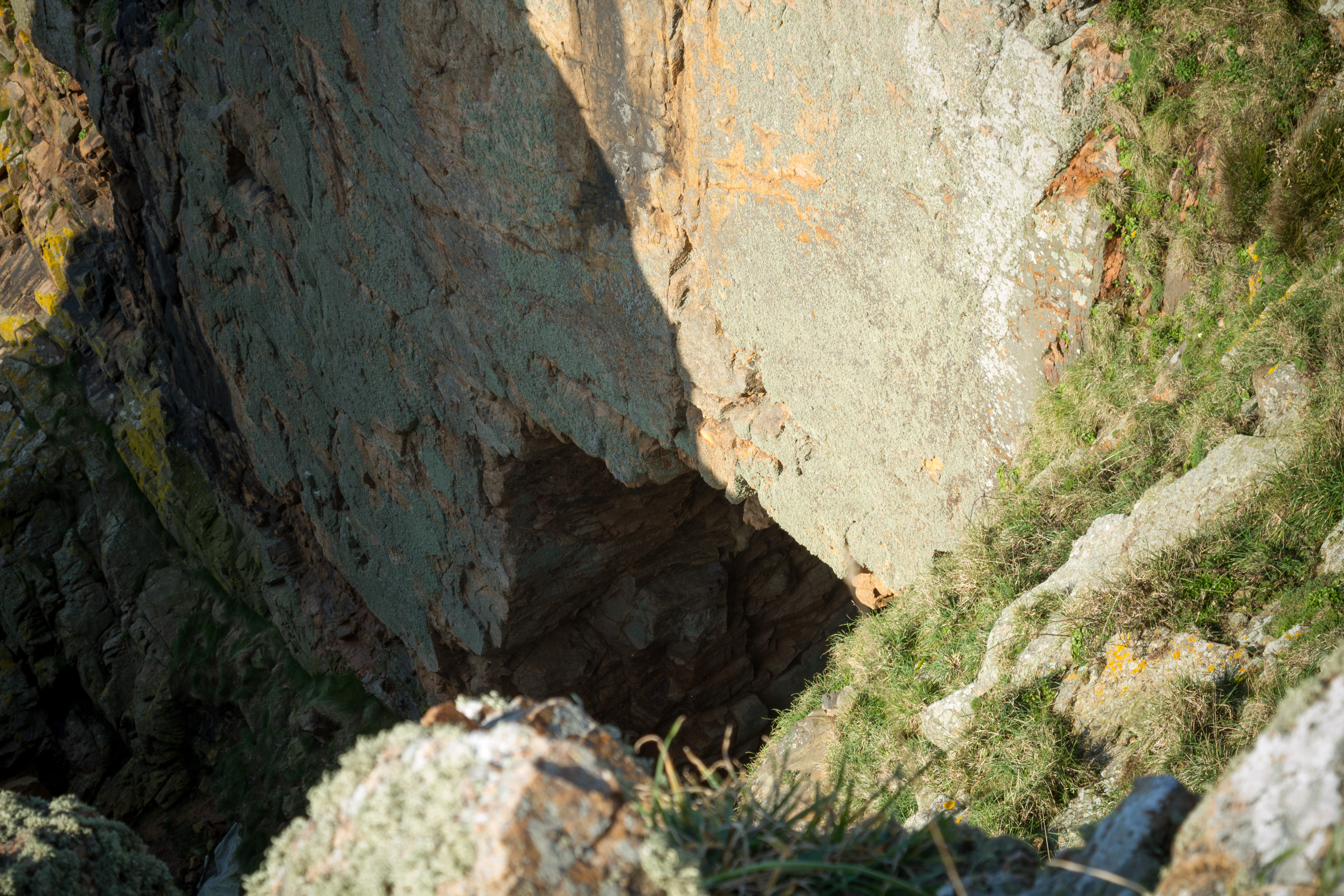
La Cotte de St Brelade
Paleolithic cave site with Neanderthal artifacts
Whitsbury Castle
Iron Age hillfort in Hampshire, United Kingdom
Hawk Stone
Neolithic standing stone, Oxfordshire, UK