Explore the Map
Cerne Abbas Giant
50.8137° N, -2.4747° E
About
The Cerne Abbas Giant is a hill figure near the village of Cerne Abbas, in Dorset, England. It is currently owned by the National Trust, and listed as a scheduled monument of England. Measuring 55 metres (180 ft) in length, the hill figure depicts a bald, nude male with a prominent erection, holding his left hand out to the side and wielding a large club in his right hand. Like many other hill figures, the Cerne Giant is formed by shallow trenches cut into the turf and backfilled with chalk rubble. The origin and age of the figure are unclear, and archaeological evidence suggests that parts of it have been lost, altered, or added, over time; the earliest written record dates to the late 17th century. Early antiquarians associated it, albeit on little evidence, with a Saxon deity, while other scholars sought to identify it with a Romano-British figure of Hercules (or some syncretisation of the two). The lack of earlier descriptions, along with information given to the 18th-century antiquarian John Hutchins, has led some scholars to conclude it dates from the 17th century. Conversely, recent optically stimulated luminescence testing has suggested an origin between the years 700 CE and 1110 CE, possibly close to the 10th-century date of the founding of nearby Cerne Abbey. Regardless of its age, the Cerne Abbas Giant has become an important part of local culture and folklore, which often associates it with fertility. It is one of England's best-known hill figures and is a visitor attraction in the region. The Cerne Giant is one of two major extant human hill figures in England, the other being the Long Man of Wilmington, near Wilmington, East Sussex, which is also a scheduled monument.
Historical Timeline
Journey through time and discover key events in this site's history
Earliest written record
4 November 1694
Possible origin (OSL testing)
700–1110 CE
Tradition linking to Dissolution
1539
Published survey (Royal Magazine)
September 1763
John Hutchins account
1774
Restoration by owner Lord Rivers
1868
National Trust recut (nose repair)
1993
1996 study identifying lost elements
1996
2008 survey confirming missing cloak
2008
2020 lidar survey
2020
Archaeological Features
Unique architectural and cultural elements found at this historical site
Artistic and Decorative Features
Environmental and Natural Features
Frequently Asked Questions
Plan Your Visit
Tours, travel arrangements, and practical information
More Sites in United Kingdom
Ringlemere barrow
Early Bronze Age barrow near Sandwich, Kent
Uffington Castle
Iron Age hillfort in Oxfordshire, England
Whitsbury Castle
Iron Age hillfort in Hampshire, United Kingdom
Drumbo round tower
Irish round tower in County Down, early medieval
Bloodgate Hill Iron Age Fort
Iron Age hill fort in Norfolk, England
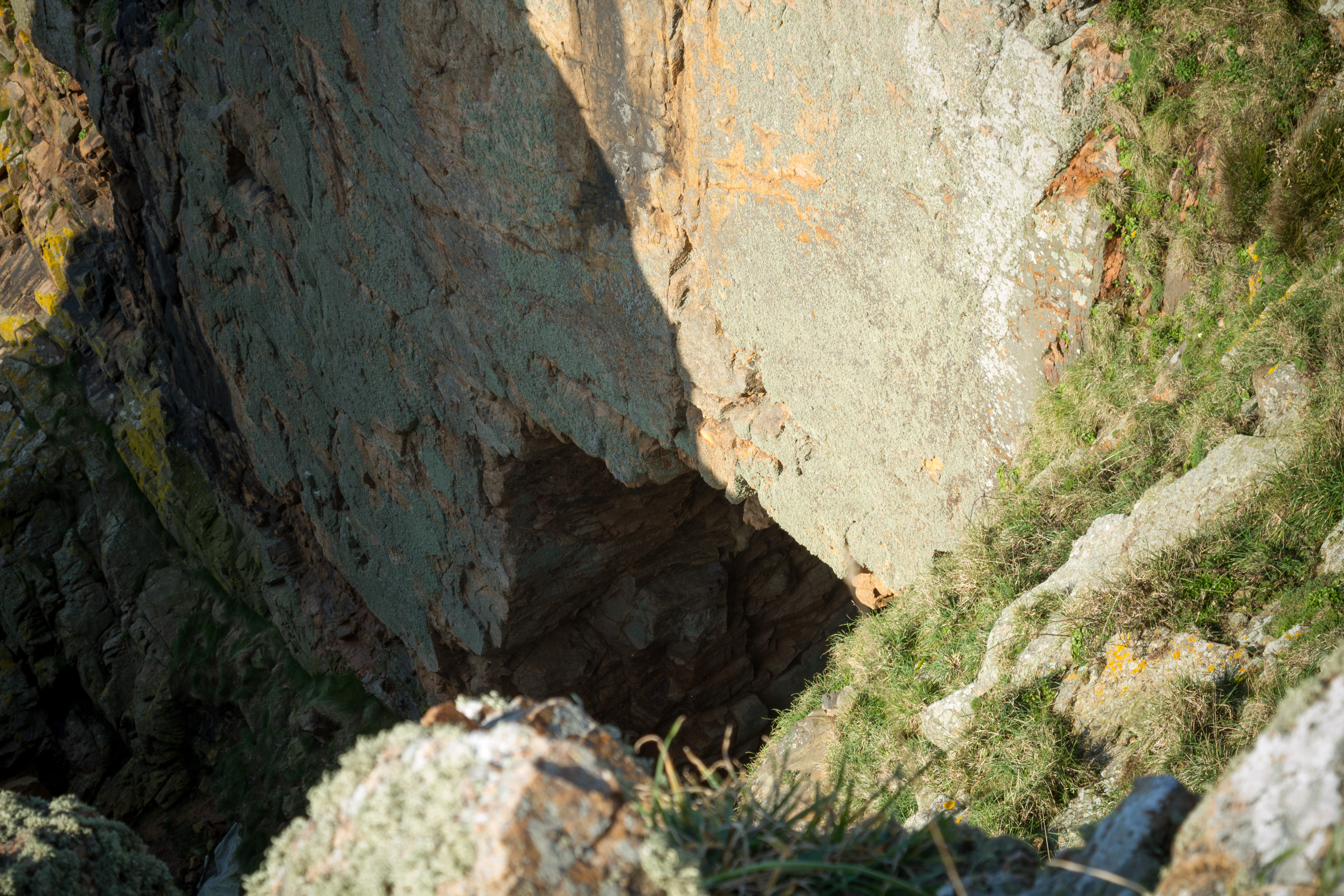
La Cotte de St Brelade
Paleolithic cave site with Neanderthal artifacts