Explore the Map
Dupplin Cross
56.3125° N, -3.5872° E
About
The Dupplin Cross is a carved, monumental Pictish stone, which dates from around 800 AD. It was first recorded by Thomas Pennant in 1769, on a hillside in Strathearn, a little to the north of (and on the opposite bank of the River Earn from) Forteviot and Dunning. In 2002 it was placed in the care of Historic Scotland, and was placed for preservation under the 11th/12th-century tower of St Serf's Church, Dunning. The Dupplin Cross is a high cross, that is a free-standing stone cross. While relatively common in Ireland, Northumbria and in Dál Riata, such crosses are rare survivals in the lands of the Picts, though fragments of shattered crosses (probably cast down during the 16th-century Reformation) show that a number once existed. In the 18th century a second cross, the Cross of Dronachy, was recorded as having stood on the lands of Invermay, south of Forteviot and also overlooking Forteviot, but having fallen and broken. The cross base survives in situ, but the records do not provide details of its exact form. The cross is carved from Old Red Sandstone, the cross stands about 2.5 metres tall, 1 metre broad over the arms of the cross. It is carved with various scenes, religious, martial and traditional Pictish animal carvings. The cross contains a partially legible inscription, of which only the name CUSTANTIN FILIUS FIRCUS can be read. This name is taken as the Latin form of the early 9th-century Pictish king's Gaelic name Caustantín son of Fergus (fl. 793–820). Since the inscription implies that the cross was carved either during, or shortly after, the reign of Caustantín, it is particularly important as giving a fixed point in the chronology of Pictish sculpture. It also indicates that Gaelic was spoken at the time as it uses the Gaelic personal name of his father in Latin. Other carved themes on the cross include a rider with an oversized head and ponytail showing him to be a man of authority. On the obverse a man fights bears with his bare hands. The sides include a man (probably David) playing a harp, and hunting dogs.
Historical Timeline
Journey through time and discover key events in this site's history
Tower of St Serf's Church (construction)
11th/12th-century
Reign of Caustantín
fl. 793–820
Cross carved
c. 800 AD
Reformation damage to crosses
16th century
Cross of Dronachy recorded
18th century
First recorded by Thomas Pennant
1769
Placed in care of Historic Scotland
2002
Archaeological Features
Unique architectural and cultural elements found at this historical site
Religious and Ritual Structures
Artistic and Decorative Features
Frequently Asked Questions
Plan Your Visit
Tours, travel arrangements, and practical information
More Sites in United Kingdom
Drumbo round tower
Irish round tower in County Down, early medieval
Whitsbury Castle
Iron Age hillfort in Hampshire, United Kingdom
Uffington Castle
Iron Age hillfort in Oxfordshire, England
Ringlemere barrow
Early Bronze Age barrow near Sandwich, Kent
Diamond (1823 ship)
Early 19th‑century transatlantic shipwreck, Cardigan Bay
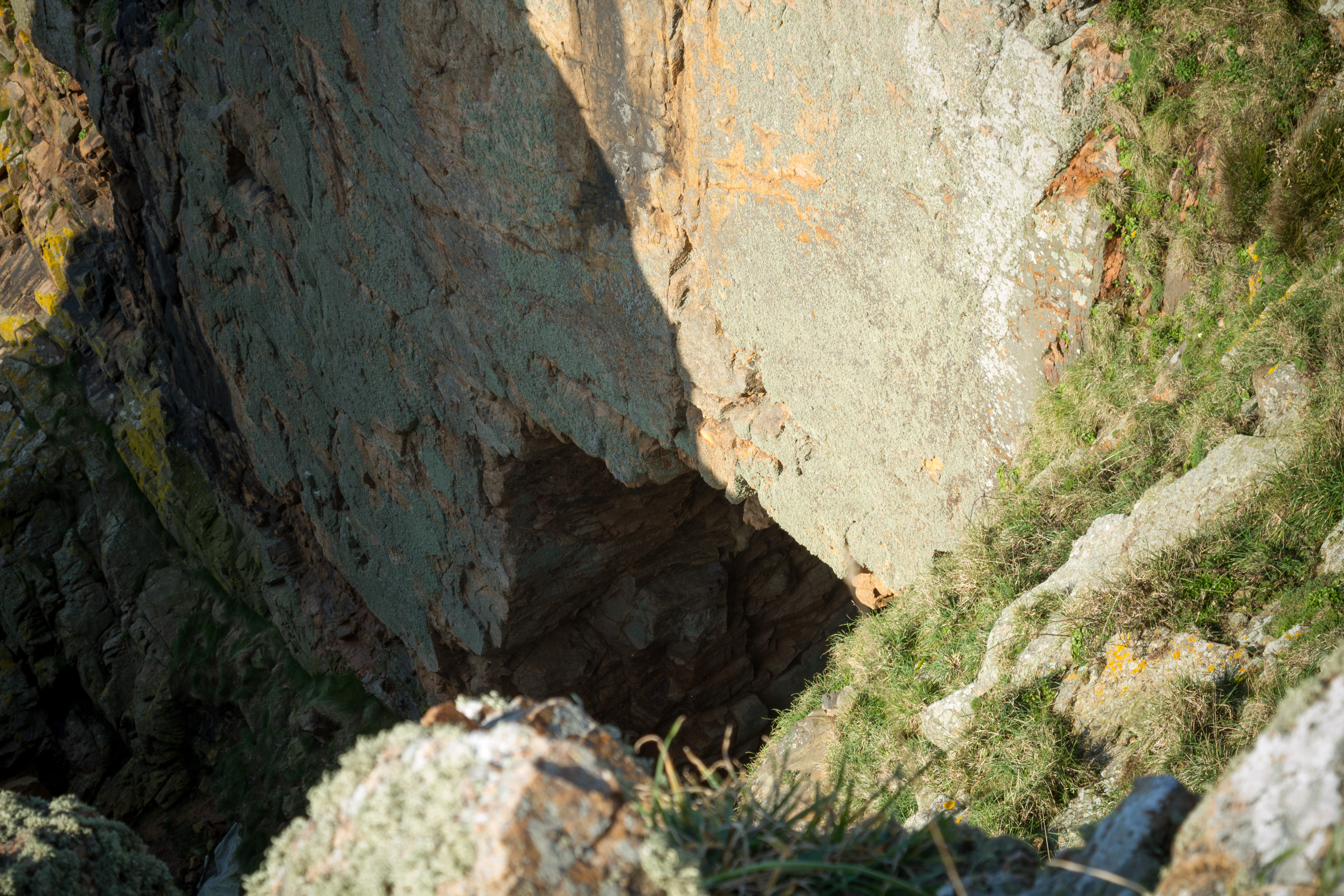
La Cotte de St Brelade
Paleolithic cave site with Neanderthal artifacts