Explore the Map
Isca Augusta
51.6103° N, -2.9589° E
About
Isca, variously specified as Isca Augusta or Isca Silurum, was the site of a Roman legionary fortress and settlement or vicus, the remains of which lie beneath parts of the present-day suburban town of Caerleon in the north of the city of Newport in South Wales. The site includes Caerleon Amphitheatre and is protected by Cadw. Headquarters of the Legion "II Augusta", which took part in the invasion under Emperor Claudius in 43, Isca is uniquely important for the study of the conquest, pacification and colonisation of Britannia by the Roman army. It was one of only three permanent legionary fortresses in later Roman Britain and, unlike the other sites at Chester and York, its archaeological remains lie relatively undisturbed beneath fields and the town of Caerleon and provide a unique opportunity to study the Roman legions in Britain. Excavations continue to unearth new discoveries; in the late 20th century a complex of very large monumental buildings outside the fortress between the River Usk and the amphitheatre was uncovered. This new area of the canabae was previously unknown.
Historical Timeline
Journey through time and discover key events in this site's history
Foundation of Isca
74–75 AD
Amphitheatre initial construction
c. 80 AD
Fortress wall replacement
AD 99/100
Amphitheatre rebuild AD 138
c. AD 138
Severan refurbishment
190s AD
Amphitheatre destruction c.196/197
c. 196/197 AD
Amphitheatre rebuild under Severus and Caracalla
c. 197–211 AD
Caracallan repairs
3rd century AD
Reoccupation and rebuilding
270s AD
Amphitheatre final disuse
4th century AD
Christian martyrdoms
304 AD
Latest coin evidence
364–378 AD
Harbour discovery
August 2011
Archaeological Features
Unique architectural and cultural elements found at this historical site
Storage Structures
Defensive Structures
Military Installations
Animal Husbandry Features
Public and Civic Structures
Industrial and Craft Structures
Artistic and Decorative Features
Domestic and Habitation Structures
Transportation and Communication Structures
Frequently Asked Questions
Plan Your Visit
Tours, travel arrangements, and practical information
More Sites in United Kingdom
Uffington Castle
Iron Age hillfort in Oxfordshire, England
Sussex Greensand Way
Roman road in Sussex, United Kingdom
Blestium
Roman fort and ironworks, Monmouth, Wales
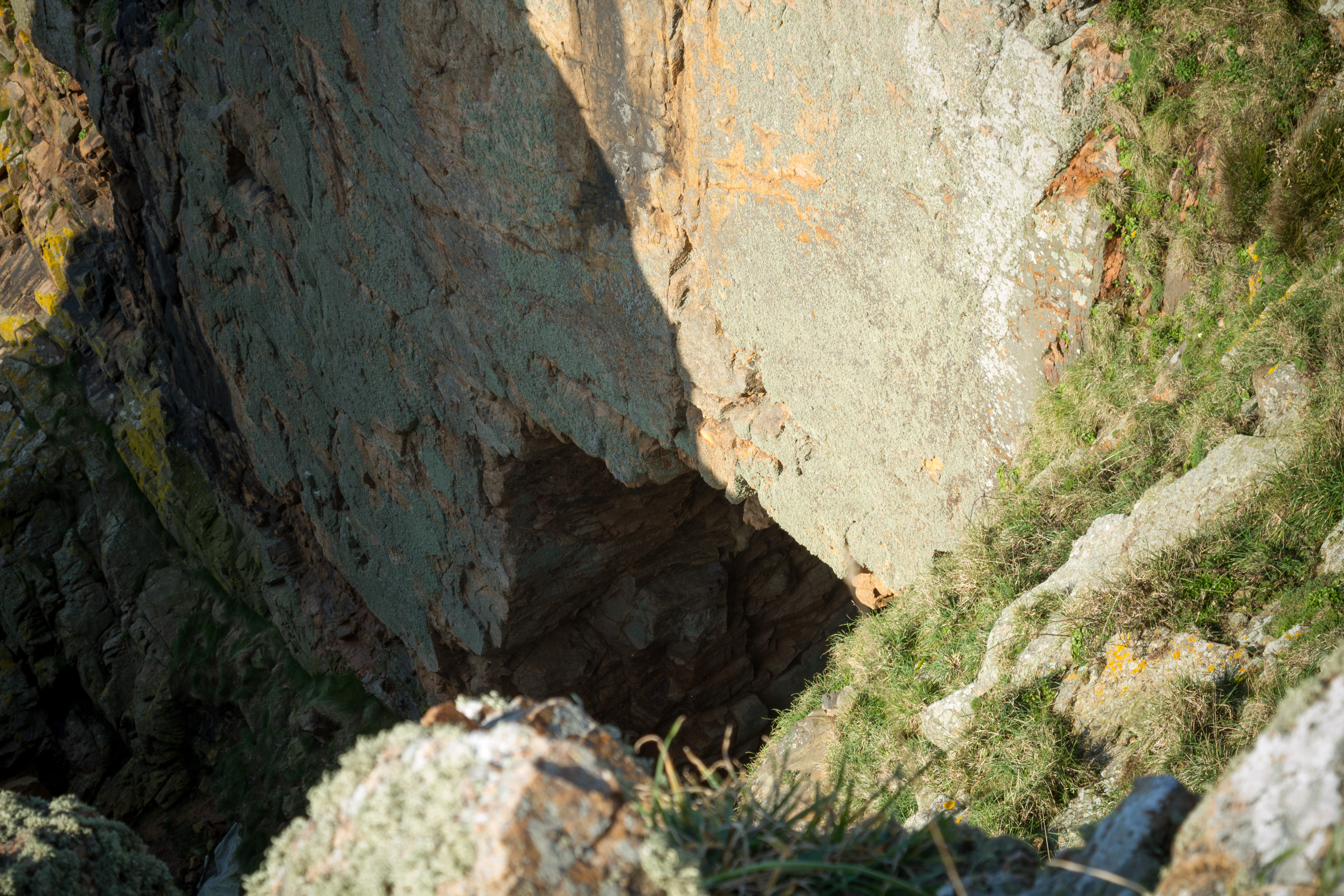
La Cotte de St Brelade
Paleolithic cave site with Neanderthal artifacts
Bloodgate Hill Iron Age Fort
Iron Age hill fort in Norfolk, England
Whitsbury Castle
Iron Age hillfort in Hampshire, United Kingdom