Kit's Coty House
Kit's Coty House or Kit's Coty is a chambered long barrow near the village of Aylesford in the southeastern English county of Kent.
Explore the Map
Kit's Coty House
51.3199° N, 0.5029° E
About
Kit's Coty House or Kit's Coty is a chambered long barrow near the village of Aylesford in the southeastern English county of Kent. Constructed circa 4000 BCE, during the Early Neolithic period of British prehistory, today it survives in a ruined state. Archaeologists have established that the monument was built by pastoralist communities shortly after the introduction of agriculture to Britain from continental Europe. Although representing part of an architectural tradition of long barrow building that was widespread across Neolithic Europe, Kit's Coty House belongs to a localised regional variant of barrows produced in the vicinity of the River Medway, now known as the Medway Megaliths. Of these, it lies near to both Little Kit's Coty House and the Coffin Stone on the eastern side of the river. Three further surviving long barrows, Addington Long Barrow, Chestnuts Long Barrow, and Coldrum Long Barrow, are located west of the Medway. They were among the first ancient British remains to be protected by the state, on the advice of General Augustus Pitt-Rivers, the first Inspector of Ancient Monuments. The site is now under the ownership of non-departmental public body English Heritage, and is open to visitors all year round. Kit's Coty can be reached on foot along a track that appears at the junction where the Pilgrim's Way and Rochester Road meet. The chamber is encircled by iron railings. It lies approximately 2 kilometres north of another of the Medway Megaliths, Little Kit's Coty House. The name "Kits Coty" allegedly means "Tomb in the Forest" according to signs at the site, possibly related to the Ancient British *kaitom, later *keiton, meaning "forest". The site is the namesake of Kitscoty, a village in Alberta, Canada. The inclusion of the term "House" in the site's name has confused some visitors, who have gone to the site expecting a built dwelling.
Plan Your Visit
Tours, travel arrangements, and practical information
More Sites in United Kingdom
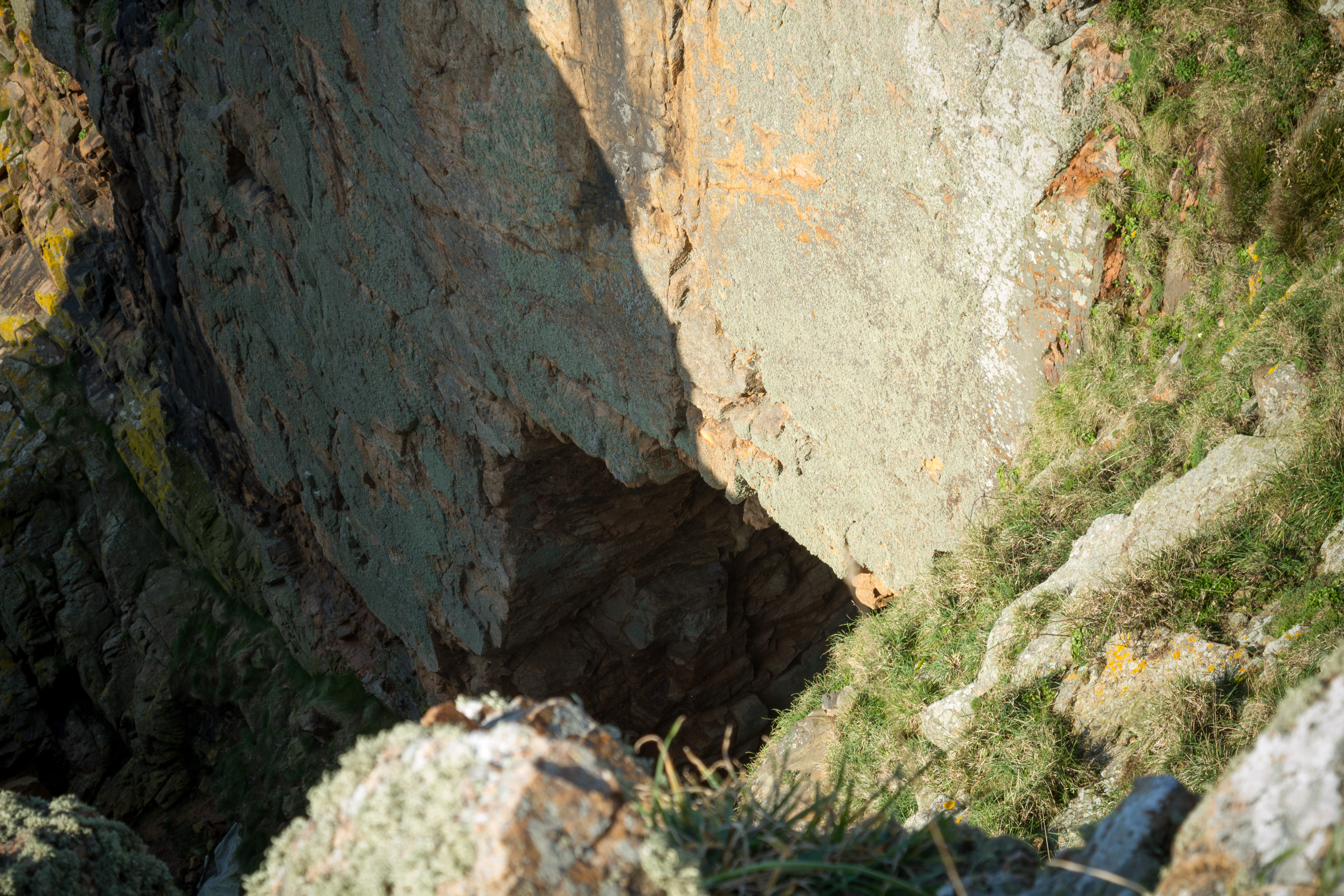
La Cotte de St Brelade
Paleolithic cave site with Neanderthal artifacts
Uffington Castle
Iron Age hillfort in Oxfordshire, England
Kents Cavern
Kents Cavern is a cave system in Torquay, Devon, England.
Drumbo round tower
Irish round tower in County Down, early medieval
Sussex Greensand Way
Roman road in Sussex, United Kingdom
Crofton Pumping Station
Steam-era pumping station in Wiltshire, United Kingdom