
Explore the Map
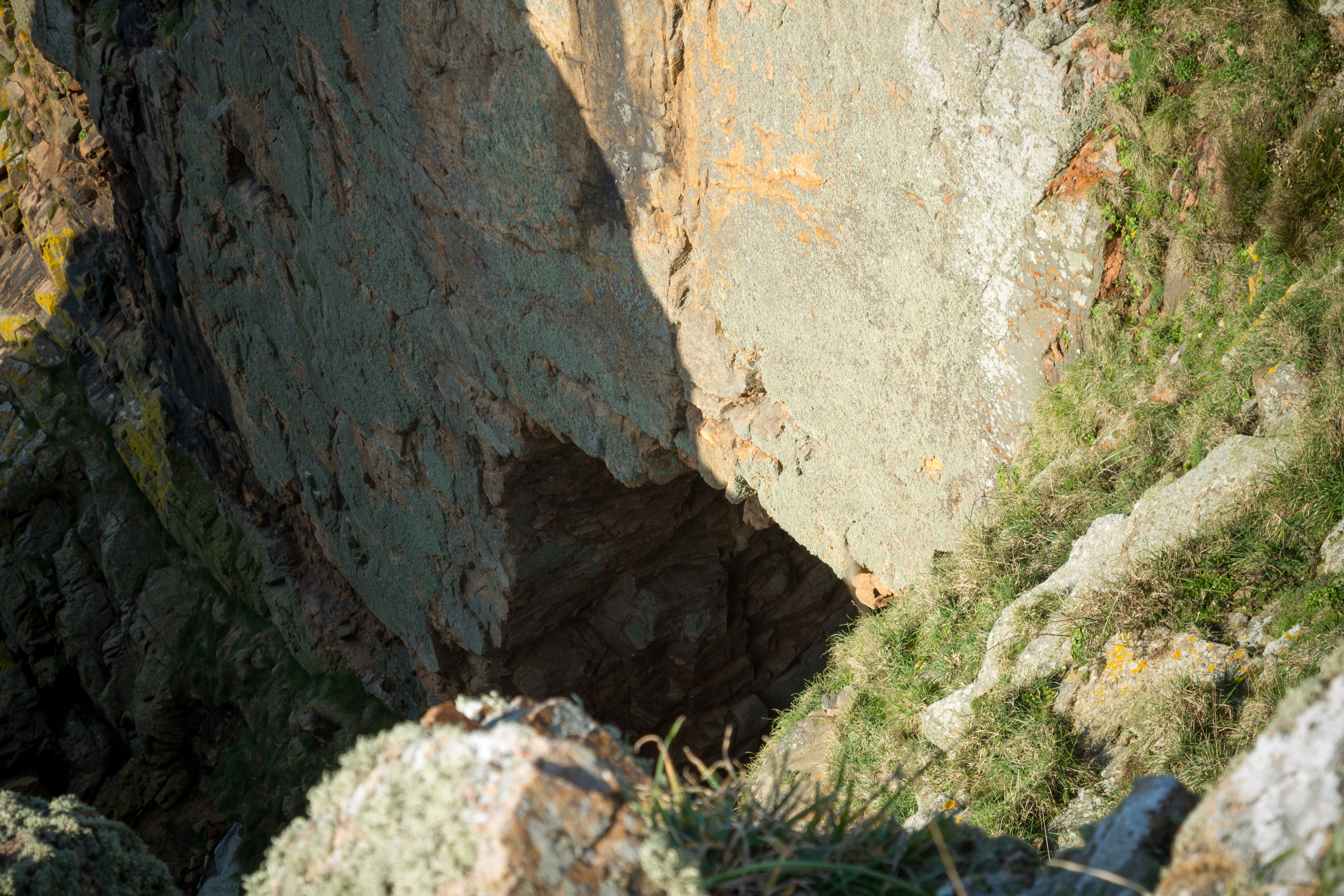
La Cotte de St Brelade
49.1756° N, -2.1883° E
About
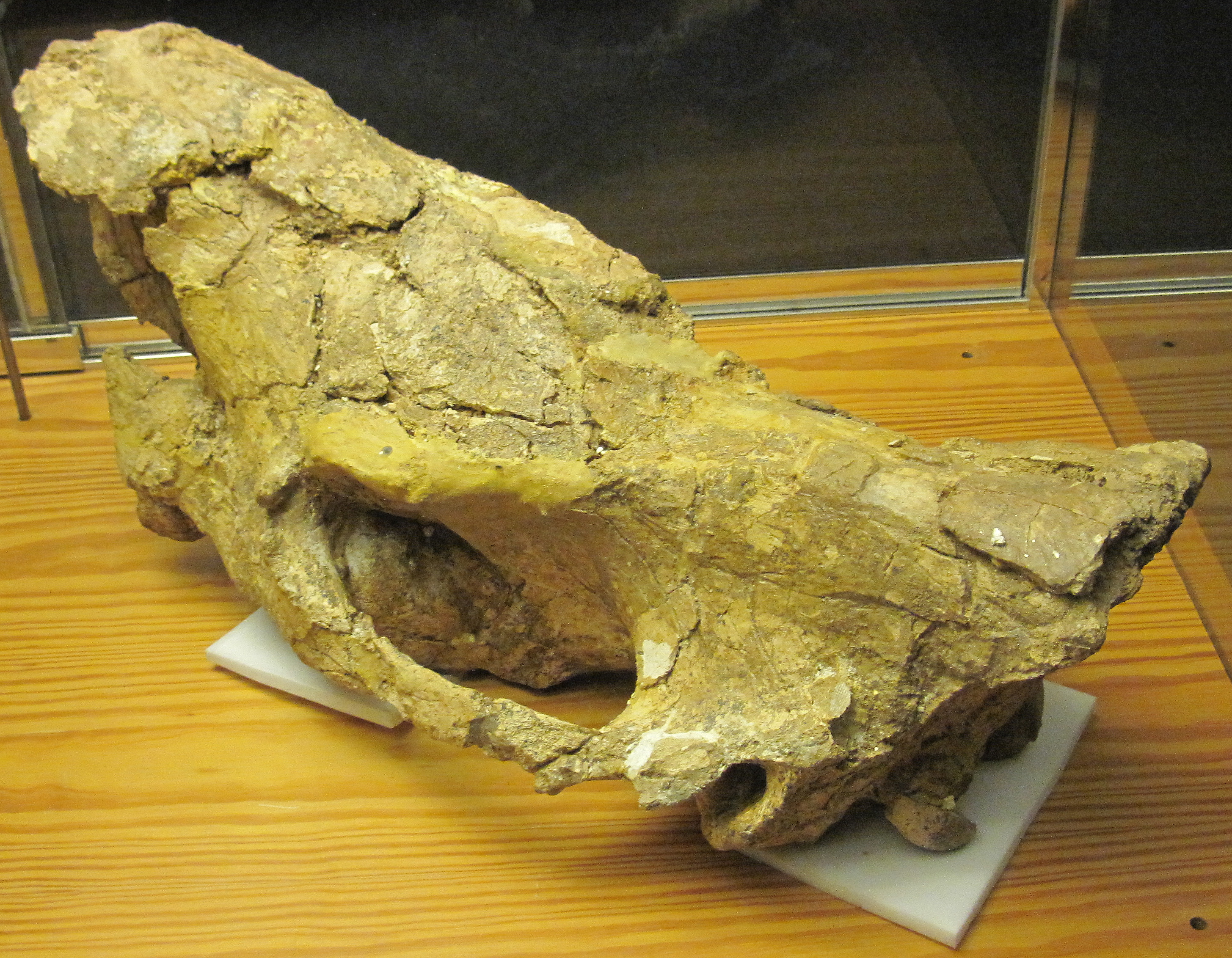
La Cotte de St Brelade, located in Jersey, is a significant Paleolithic archaeological site that reveals a long history of Neanderthal habitation, spanning from approximately 250,000 to 48,000 years ago. The site, a modified cave or rock shelter, is notable for the earliest evidence of hominin occupation on the Channel Islands and features a substantial collection of Middle to Upper Paleolithic artifacts. Key findings include evidence of fire use through thermoluminescence dating of burnt flint, advancements in stone tool production using Levallois techniques, and large accumulations of mammoth and woolly rhinoceros bones, indicating sophisticated butchering practices. These findings provide insight into the cultural evolution and subsistence strategies of Neanderthals in northwestern Europe.
Gallery
Explore photographs of ancient structures, artifacts, and archaeological excavations
Historical Timeline
Journey through time and discover key events in this site's history
Latest Neanderthal occupation
48,000 BP
Animal butchering and bone piles
180,000 BP
Cultural changes in stone tool making
200,000 BP
Fire use evidenced by burnt flint
238,000 BP
Earliest habitation by Neanderthals
250,000 years ago
Archaeological Features
Unique architectural and cultural elements found at this historical site
Domestic and Habitation Structures
Environmental and Natural Features
Food Production and Processing Features
Frequently Asked Questions
Plan Your Visit
Tours, travel arrangements, and practical information
Recommended Tours

More Sites in United Kingdom
Sussex Greensand Way
Roman road in Sussex, United Kingdom
Bloodgate Hill Iron Age Fort
Iron Age hill fort in Norfolk, England
Bouldnor Cliff
Mesolithic submerged settlement, Isle of Wight
Hawk Stone
Neolithic standing stone, Oxfordshire, UK
Adam's Grave
Neolithic long barrow in Wiltshire, United Kingdom
Blestium
Roman fort and ironworks, Monmouth, Wales