Explore the Map
La Motte, Jersey
49.1606° N, -2.0772° E
About
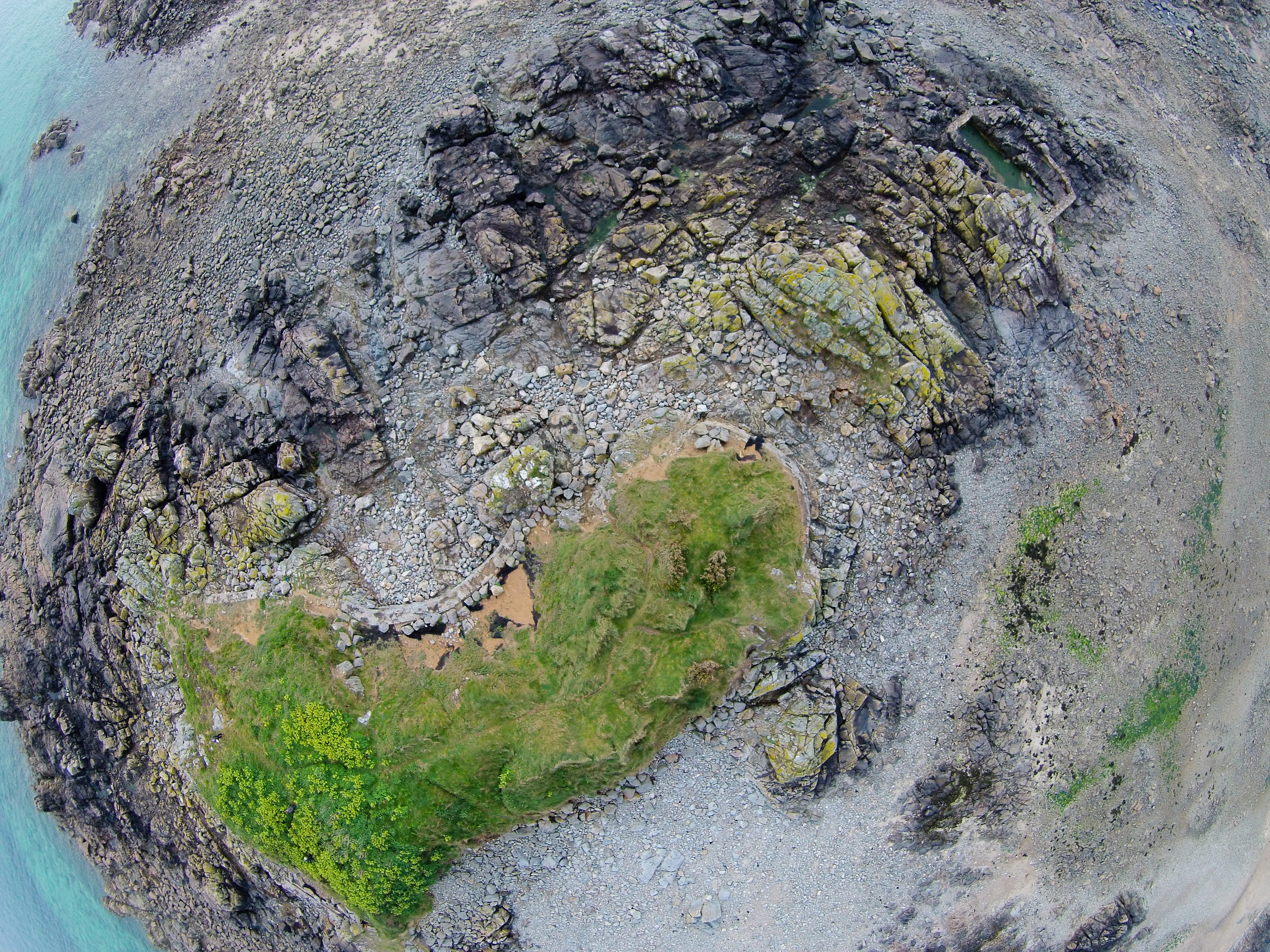
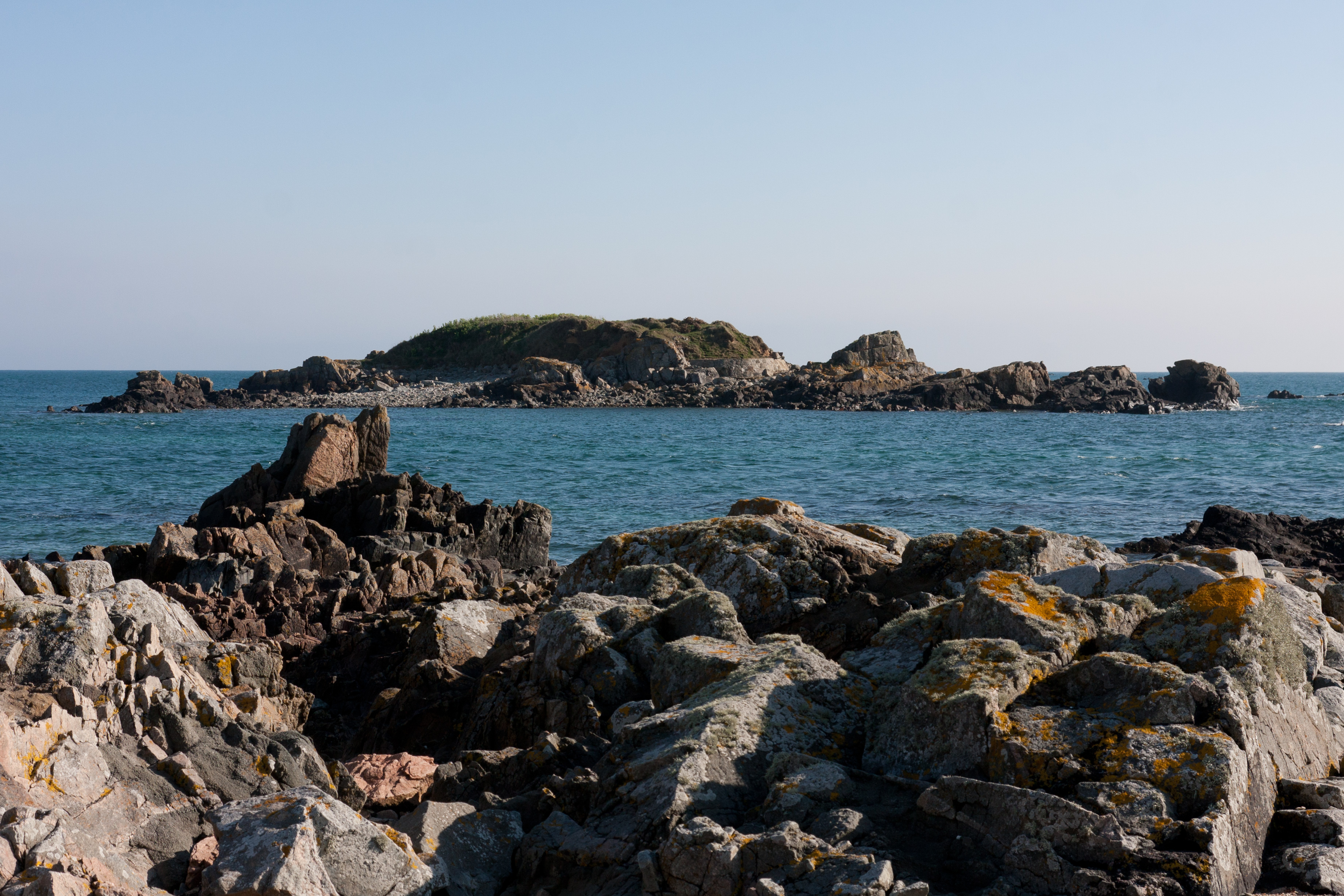
La Motte, also known as Green Island, is a tidal island located on the south-east coast of Jersey in the Channel Islands. The island's archaeological significance is underscored by evidence of human activity dating back to the Neolithic period, from around 1500 BCE to 300 BCE. During this time, visitors left behind various artifacts, including cairns, middens, and cists. These features suggest the island was used for burial and possibly ritual purposes. The island is composed of late Pleistocene rock, covered with loess, and rises 17 meters above sea level, providing a unique geological context. Access to the island is limited to low tide, further adding to its preservation and archaeological interest. The site provides valuable insight into early human settlement and activity in the Channel Islands.
Gallery
Explore photographs of ancient structures, artifacts, and archaeological excavations
Historical Timeline
Journey through time and discover key events in this site's history
Neolithic Occupation
1500 BCE - 300 BCE
Archaeological Features
Unique architectural and cultural elements found at this historical site
Burial and Funerary Structures
Environmental and Natural Features
Frequently Asked Questions
Plan Your Visit
Tours, travel arrangements, and practical information
More Sites in United Kingdom
Ringlemere barrow
Early Bronze Age barrow near Sandwich, Kent
Whitsbury Castle
Iron Age hillfort in Hampshire, United Kingdom
Adam's Grave
Neolithic long barrow in Wiltshire, United Kingdom
Bloodgate Hill Iron Age Fort
Iron Age hill fort in Norfolk, England
Hawk Stone
Neolithic standing stone, Oxfordshire, UK
Uffington Castle
Iron Age hillfort in Oxfordshire, England