Explore the Map
Langdale axe industry
54.4470° N, -3.0640° E
About
The Langdale axe industry (or factory) is the name given by archaeologists to a Neolithic centre of specialised stone tool production in the Great Langdale area of the English Lake District. The existence of the site, which dates from around 4,000–3,500 BC, was suggested by chance discoveries in the 1930s. More systematic investigations were undertaken by Clare Fell and others in the 1940s and 1950s, since when several field surveys of varying scope have been carried out. Typical finds include reject axes, rough-outs and blades created by knapping large lumps of the rock found in the scree or perhaps by simple quarrying or opencast mining. Hammerstones have also been found in the scree and other lithic debitage from the industry such as blades and flakes. The area has outcrops of fine-grained greenstone or hornstone suitable for making polished stone axes. Such axes have been found distributed across Great Britain. The rock is an epidotised greenstone quarried or perhaps just collected from the scree slopes in the Langdale Valley on Harrison Stickle and Pike of Stickle. The nature and extent of the axe-flaking sites making up the Langdale Axe Factory complex are still under investigation. Geological mapping has established that the volcanic tuff used for the axes outcrops along a narrow range of the highest peaks in the locality. Other outcrops in the area are known to have been worked, especially on Harrison Stickle, and Scafell Pike where rough-outs and flakes have been found on platforms below the peaks at and above the 2000- or 3000-foot level. Recent research has shown that Langdale tuff was used for tools before the Neolithic 'axe factories' were established. In Maryport (Cumbria) it was selected for tool manufacture in the Final Palaeolithic and Mesolithic
Historical Timeline
Journey through time and discover key events in this site's history
Chance discoveries
1930s
Systematic investigations
1940s–1950s
Neolithic production
c. 4000–3500 BC
Archaeological Features
Unique architectural and cultural elements found at this historical site
Industrial and Craft Structures
Environmental and Natural Features
Frequently Asked Questions
Plan Your Visit
Tours, travel arrangements, and practical information
More Sites in United Kingdom
Adam's Grave
Neolithic long barrow in Wiltshire, United Kingdom
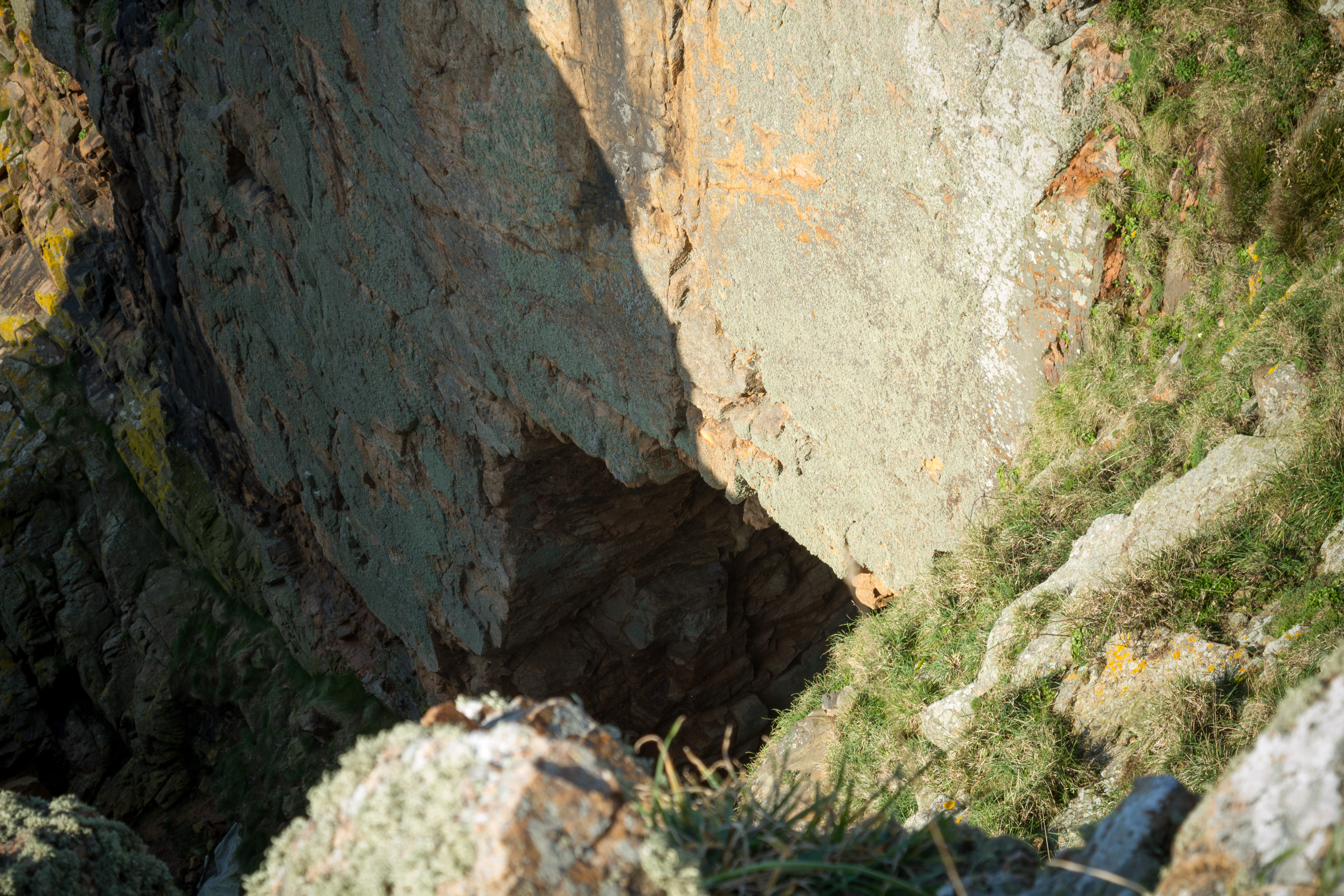
La Cotte de St Brelade
Paleolithic cave site with Neanderthal artifacts
Hawk Stone
Neolithic standing stone, Oxfordshire, UK
Ringlemere barrow
Early Bronze Age barrow near Sandwich, Kent
Bouldnor Cliff
Mesolithic submerged settlement, Isle of Wight
Whitsbury Castle
Iron Age hillfort in Hampshire, United Kingdom