Explore the Map
Newport Ship
51.5883° N, -2.9936° E
About
The Newport Ship is a mid-fifteenth-century sailing vessel discovered when archaeologists investigated an articulated timber structure uncovered during the building of the Riverfront Arts Centre in Newport in June 2002. The site is on the west bank of the River Usk, which runs through the city centre. The remains of the ship suffered some damage from the construction work, but still represents a substantial find of a late Medieval ship, together with significant artefacts and environmental material. The official name of the vessel is now the Newport Medieval Ship, to help distinguish it from other historical vessels. The ship was originally around 116 feet (35 metres) long and has been estimated to be of 161 tons burden – that being the number of tuns of Bordeaux wine that could have stowed in its hold. Vessels of this size were considered 'great ships' by contemporary standards and were typically used for the long-distance trade between Britain, Biscay and southern Iberia. The most likely construction date of the ship is immediately after the winter of 1457/8. This date was obtained by oxygen isotope dendrochronology. An earlier standard dendrochronology study (measuring the width of annual growth rings) has given a likely felling date of 1449 for the majority of the timbers. This earlier study identified Basque region of Northern Spain as the source of the shipbuilding timber. This is an area well known for its shipbuilding industry at this time. Timbers associated with later phases of repair come from Britain, as do a large number of structural pieces dating from c.1466. These timbers have been associated with the major renovation work being carried out in Newport at the time the vessel foundered. Remnants of a cradle found beneath the ship suggested that it had been berthed for repair but then abandoned after the supports on the starboard side gave way. Many of the artefacts in the ship, such as coins, pottery and plant remains, suggest that it was trading with Portugal in the 1450s–1460s. Although there were no initial plans to preserve the ship in its entirety, local people campaigned eagerly to ensure this, leading to the foundation of the Friends of the Newport Ship. Initial estimates suggested that preservation would cost about £3.5 million and this sum was eventually found by the Welsh Assembly Government and Newport City Council. All of the ship's timbers have subsequently been raised and transferred to a dedicated industrial unit which the local council describes as "now the biggest wood conservation centre in the UK", where preservation and research continue. Due to its size, it has not been possible to display the ship in the basement of the new arts centre, as was originally proposed.
Historical Timeline
Journey through time and discover key events in this site's history
Construction (felling date c.1449)
c. 1449
Construction (oxygen isotope dating)
winter 1457/8
Later repairs dated
c. 1466
Cradle earliest date / collapse
spring 1468
Discovery during construction
June 2002
Coin discovery
spring 2006
Archaeological Features
Unique architectural and cultural elements found at this historical site
Storage Structures
Artistic and Decorative Features
Environmental and Natural Features
Transportation and Communication Structures
Frequently Asked Questions
Plan Your Visit
Tours, travel arrangements, and practical information
More Sites in United Kingdom
Uffington Castle
Iron Age hillfort in Oxfordshire, England
Drumbo round tower
Irish round tower in County Down, early medieval
Whitsbury Castle
Iron Age hillfort in Hampshire, United Kingdom
Ringlemere barrow
Early Bronze Age barrow near Sandwich, Kent
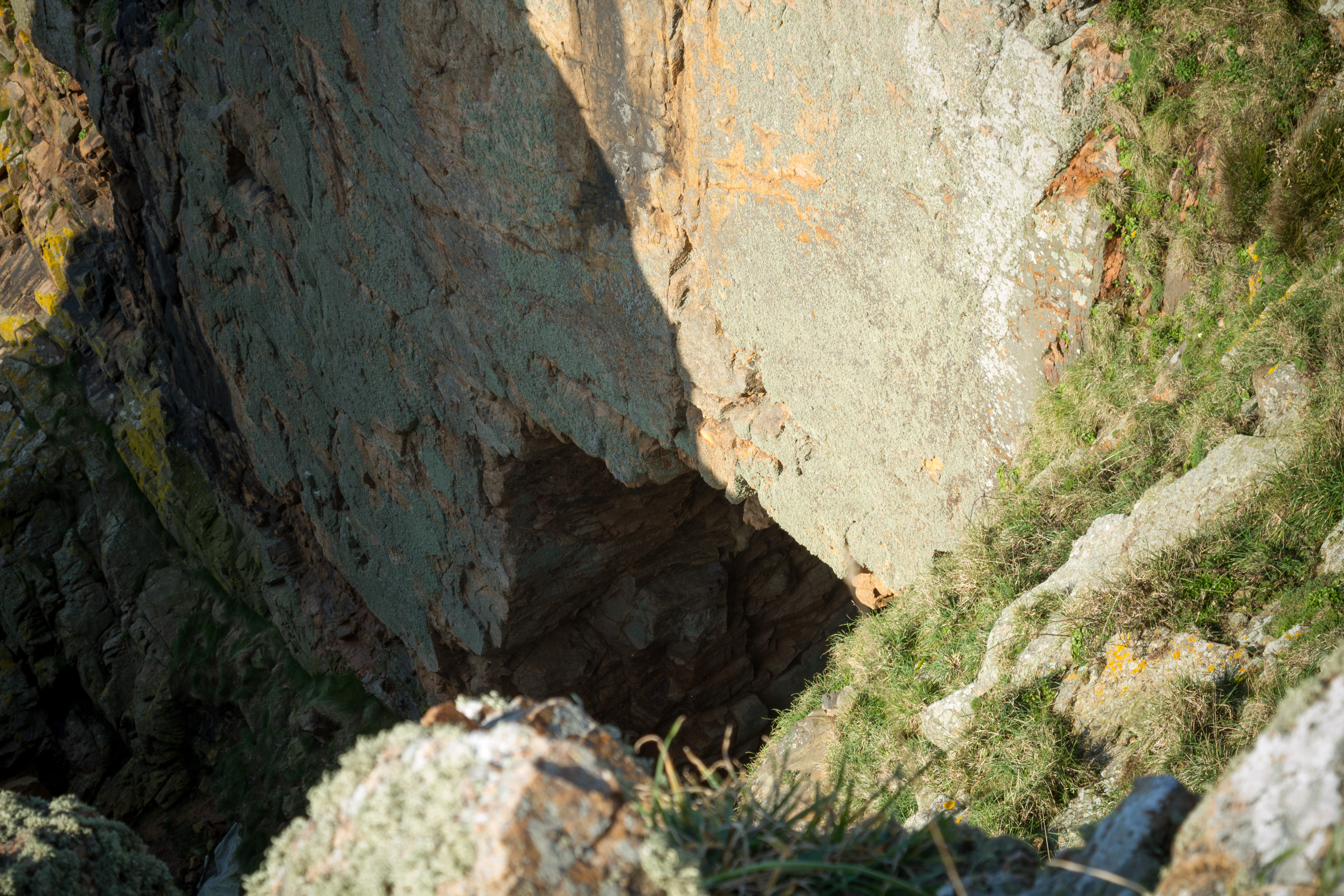
La Cotte de St Brelade
Paleolithic cave site with Neanderthal artifacts
Hawk Stone
Neolithic standing stone, Oxfordshire, UK