Explore the Map
Cisterns of Tawila
12.7743° N, 45.0290° E
About
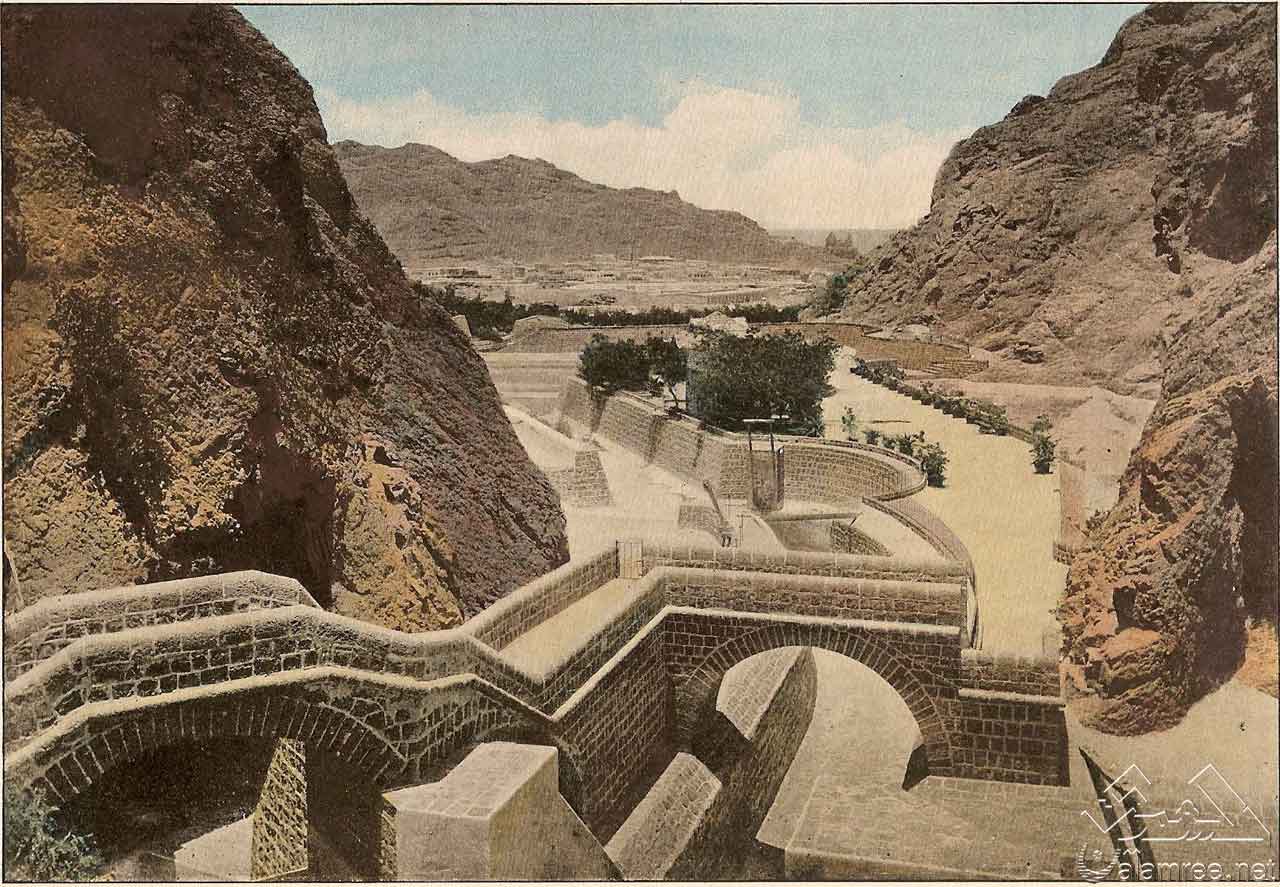
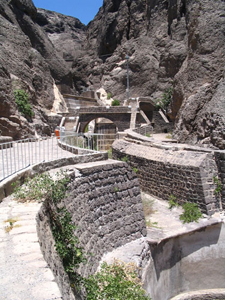
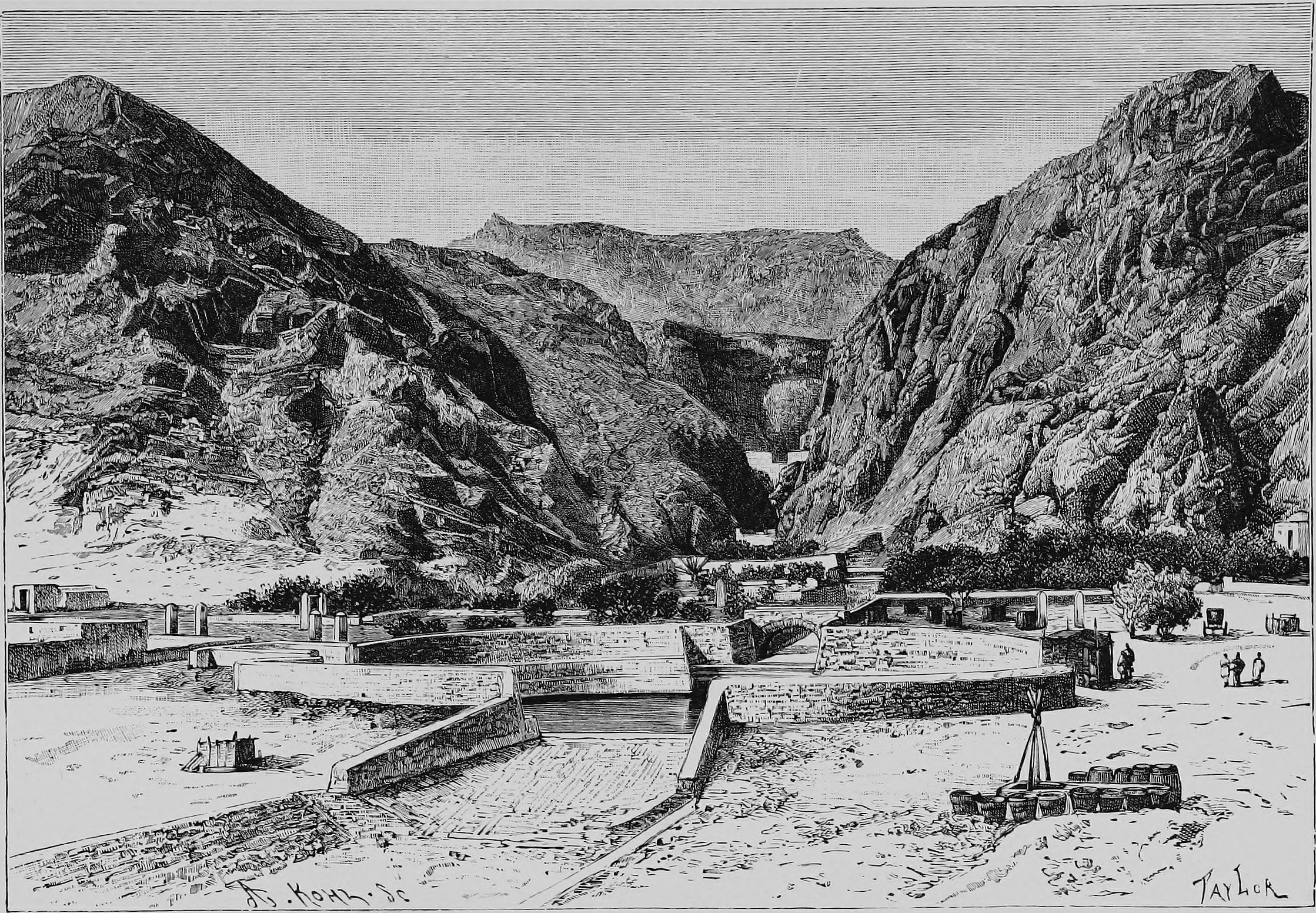
The Cisterns of Tawila in Aden, Yemen, are a series of ancient water management structures carved from volcanic rock. Originally constructed to collect rainwater and protect the city from flooding, the cisterns are believed to have been built possibly by the Himyarites between 115 BCE and 525 CE. Over time, they became a significant feature of Aden, as indicated by Islamic manuscripts from the 7th century CE. The Rasulid dynasty restored the cisterns in the 13th to 15th centuries CE, acknowledging their importance. With the British colonial occupation in the 19th century, the cisterns underwent significant remodeling, transforming them into the larger structures seen today. Despite modern alterations, these cisterns remain an important archaeological site, highlighting ancient water management practices and the historical evolution of Aden.
Gallery
Explore photographs of ancient structures, artifacts, and archaeological excavations
Historical Timeline
Journey through time and discover key events in this site's history
Himyaritic construction hypothesis
115 BCE - 525 CE
Islamic manuscript mention
7th century CE
Rasulid dynasty restoration
1229 CE - 1454 CE
British restoration and modification
19th century CE
Archaeological Features
Unique architectural and cultural elements found at this historical site
Water Management Features
Plan Your Visit
Tours, travel arrangements, and practical information
More Sites in Yemen

Sanaa
Ancient fortified city with unique architecture
Zafar, Yemen
Ancient Himyarite capital with diverse ruins.

Marib Dam
Ancient and modern dam in Yemen's Ma'rib

Shibam
Ancient mudbrick skyscraper city in Yemen.
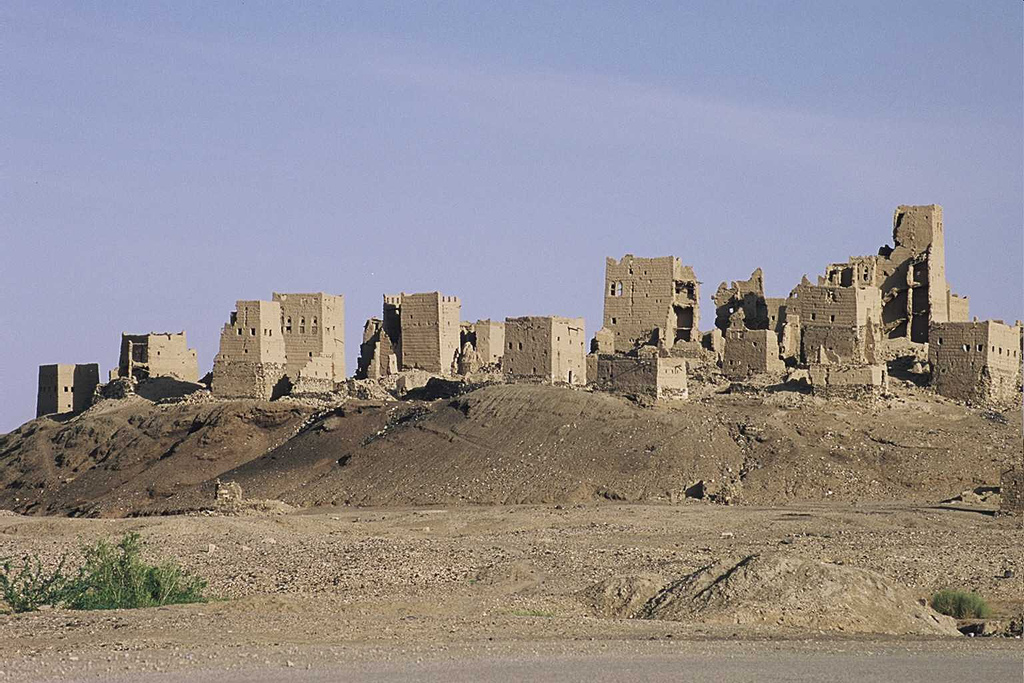
Baraqish
Ancient fortified city with temples and walls.
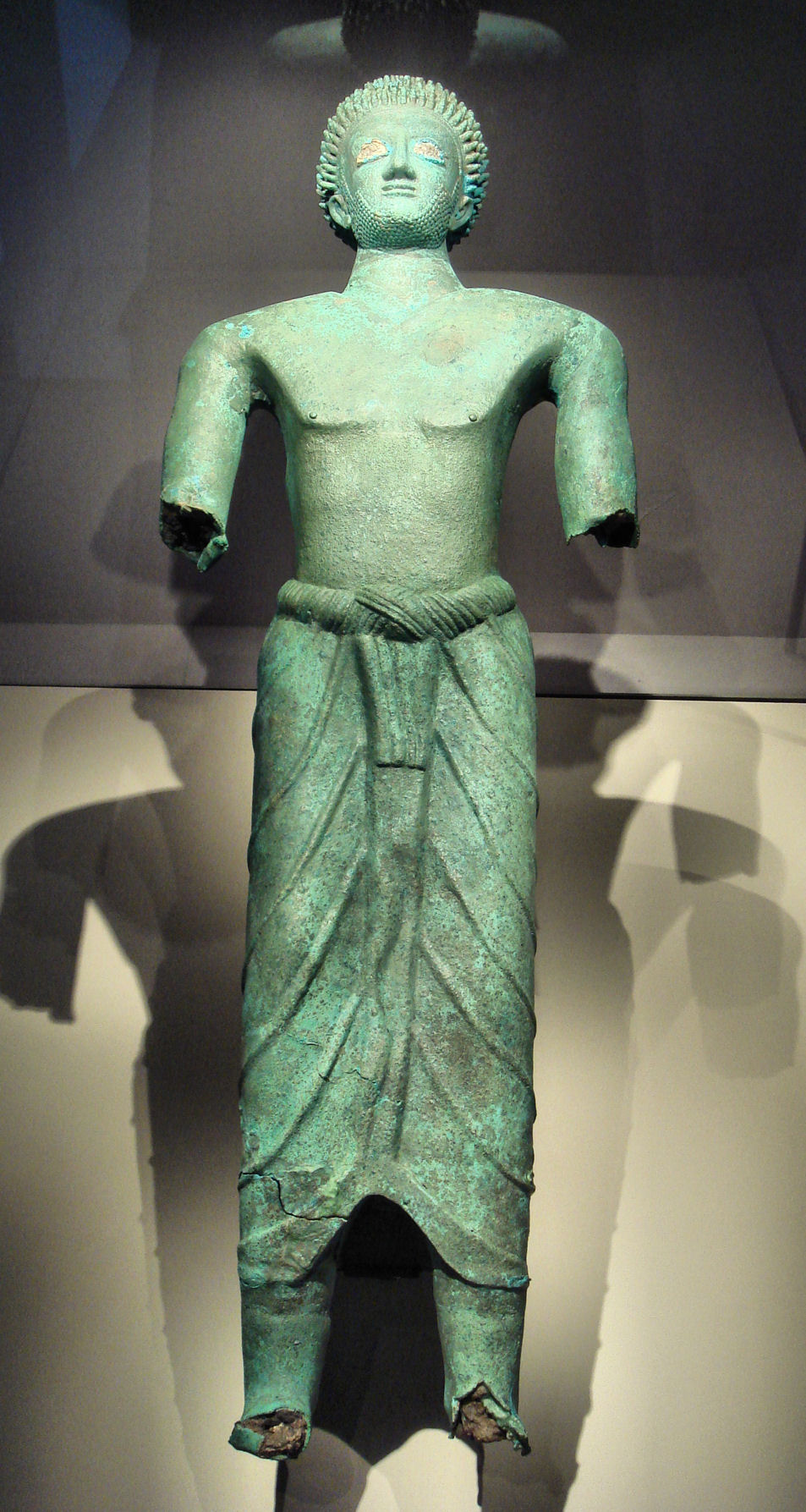
Nashaq
Ancient South Arabian city in Yemen.