

Explore the Map
Marib Dam
15.3964° N, 45.2436° E
About
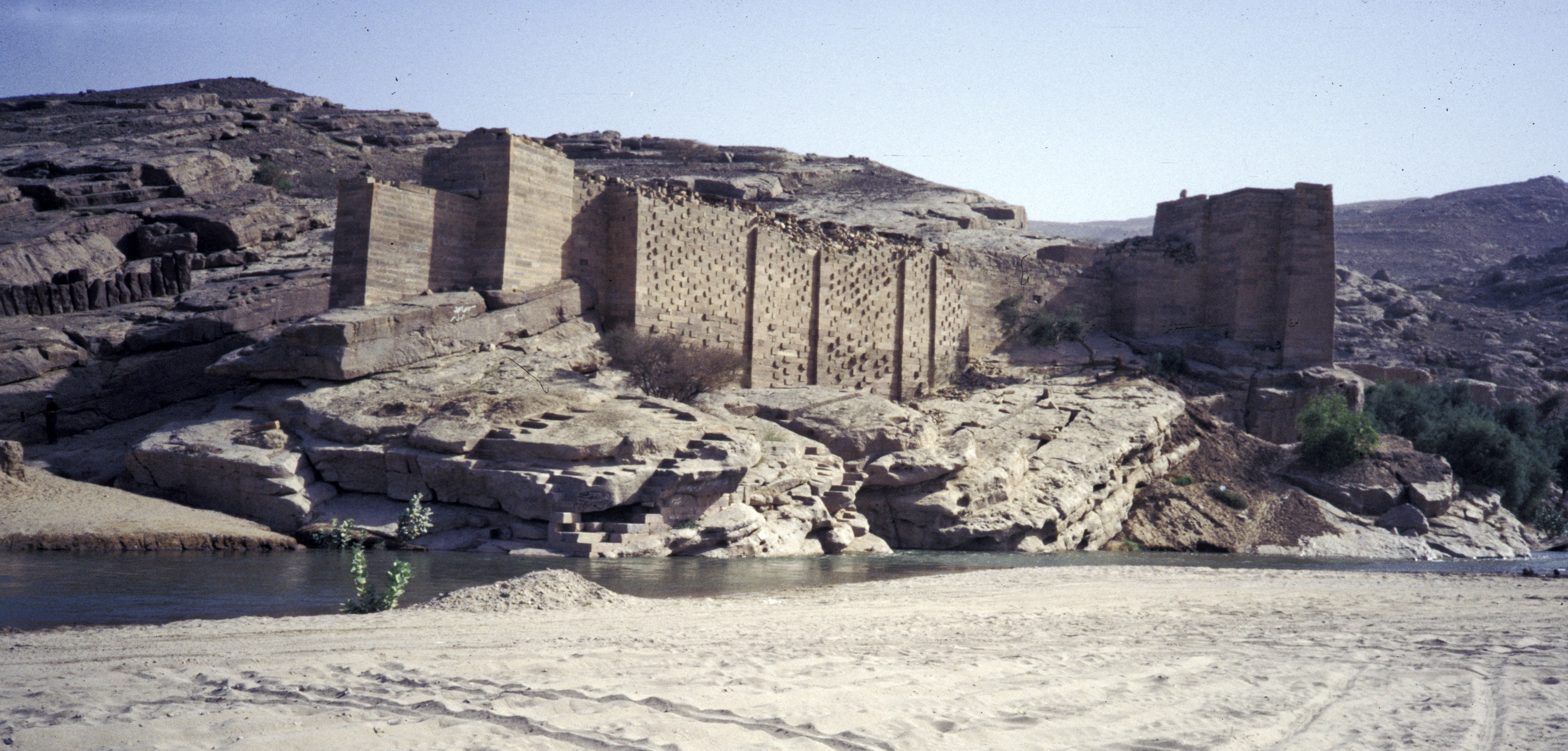
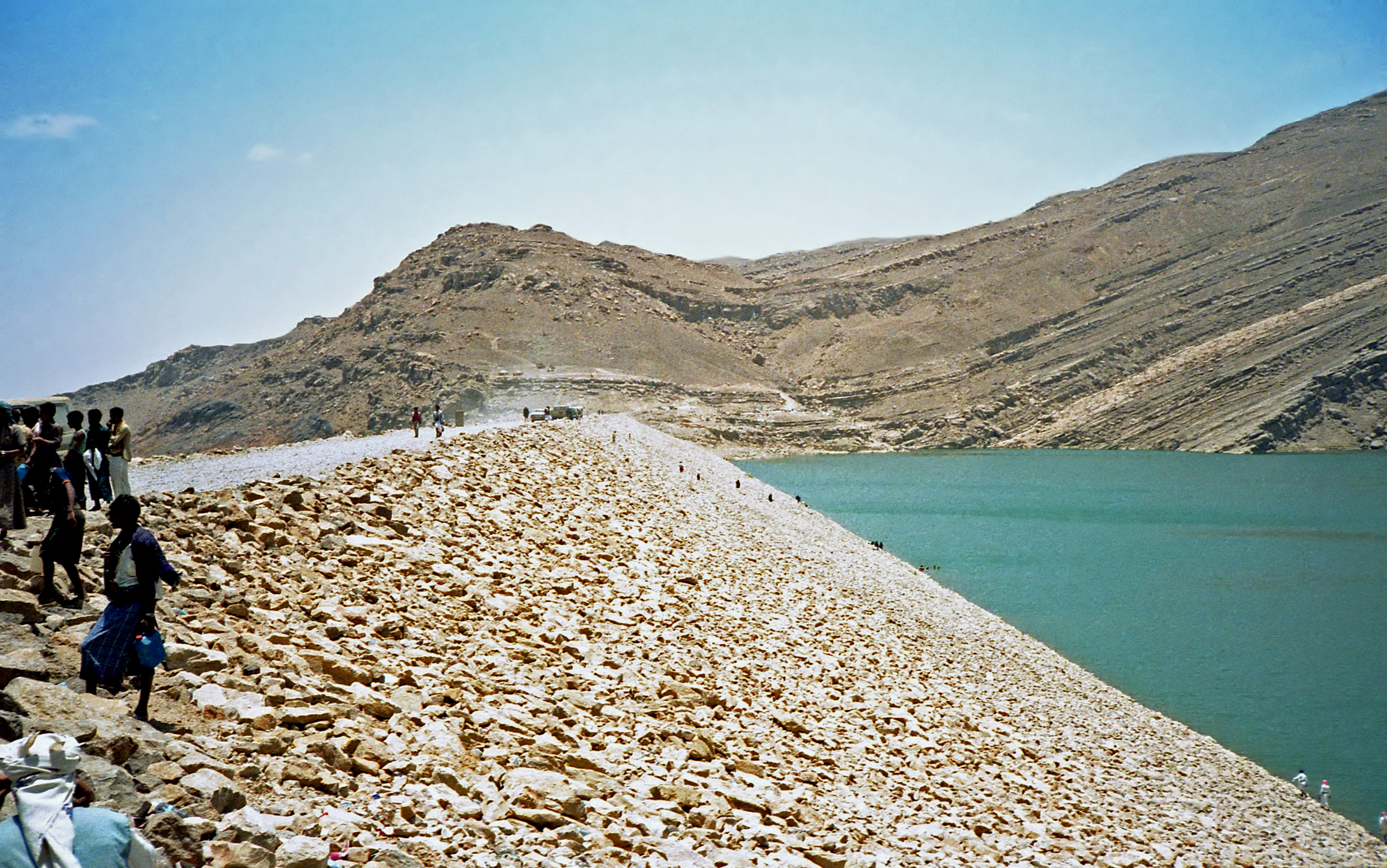
The Marib Dam, located in Yemen, is a significant archaeological site that highlights ancient engineering prowess. Initially constructed as simple earth dams around 1750 BCE, the most notable structure, the Great Dam of Marib, was built in the 8th century BCE. It played a crucial role in the irrigation systems of the prosperous Sabaean kingdom, aiding agriculture through its innovative design. Over centuries, the dam underwent various enhancements, including height augmentation and extensive reconstructions by the Himyarites. Despite these efforts, the dam suffered from repeated breaches, with the final collapse occurring in the 6th century CE, leading to massive migrations. Today, the dam's remains are a testament to the advanced water management systems of ancient Arabia and have earned a place on the UNESCO World Heritage List.
Gallery
Explore photographs of ancient structures, artifacts, and archaeological excavations
Historical Timeline
Journey through time and discover key events in this site's history
Initial Construction
1750 BCE
Great Dam Construction
760 BCE
Dam Height Increased
500 BCE
Himyarite Reconstruction
115 BCE
Final Reconstruction
325 CE
Final Breach
570 CE
Archaeological Features
Unique architectural and cultural elements found at this historical site
Water Management Features
Plan Your Visit
Tours, travel arrangements, and practical information
More Sites in Yemen
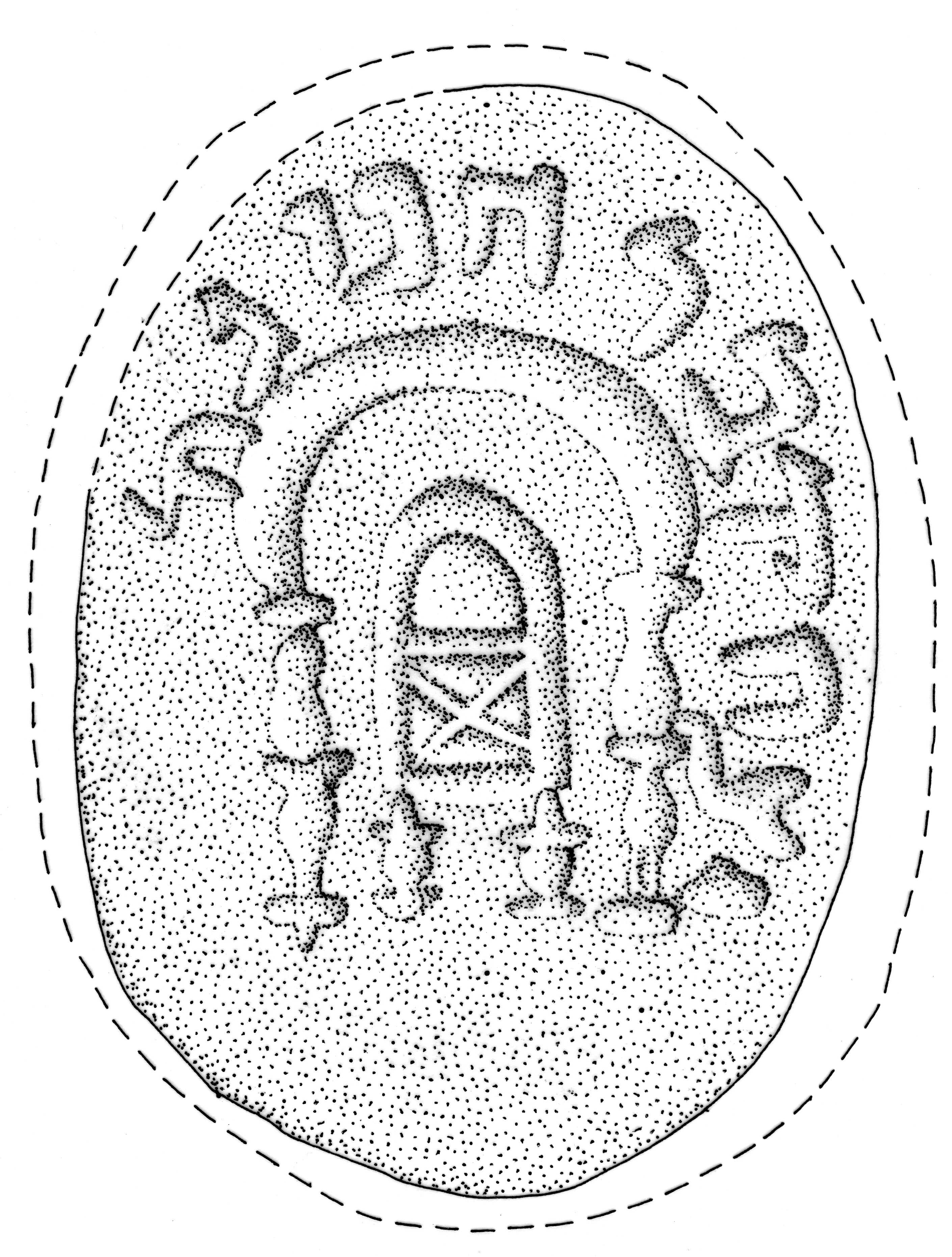
Zafar, Yemen
Ancient Himyarite capital with diverse ruins.

Sanaa
Ancient fortified city with unique architecture
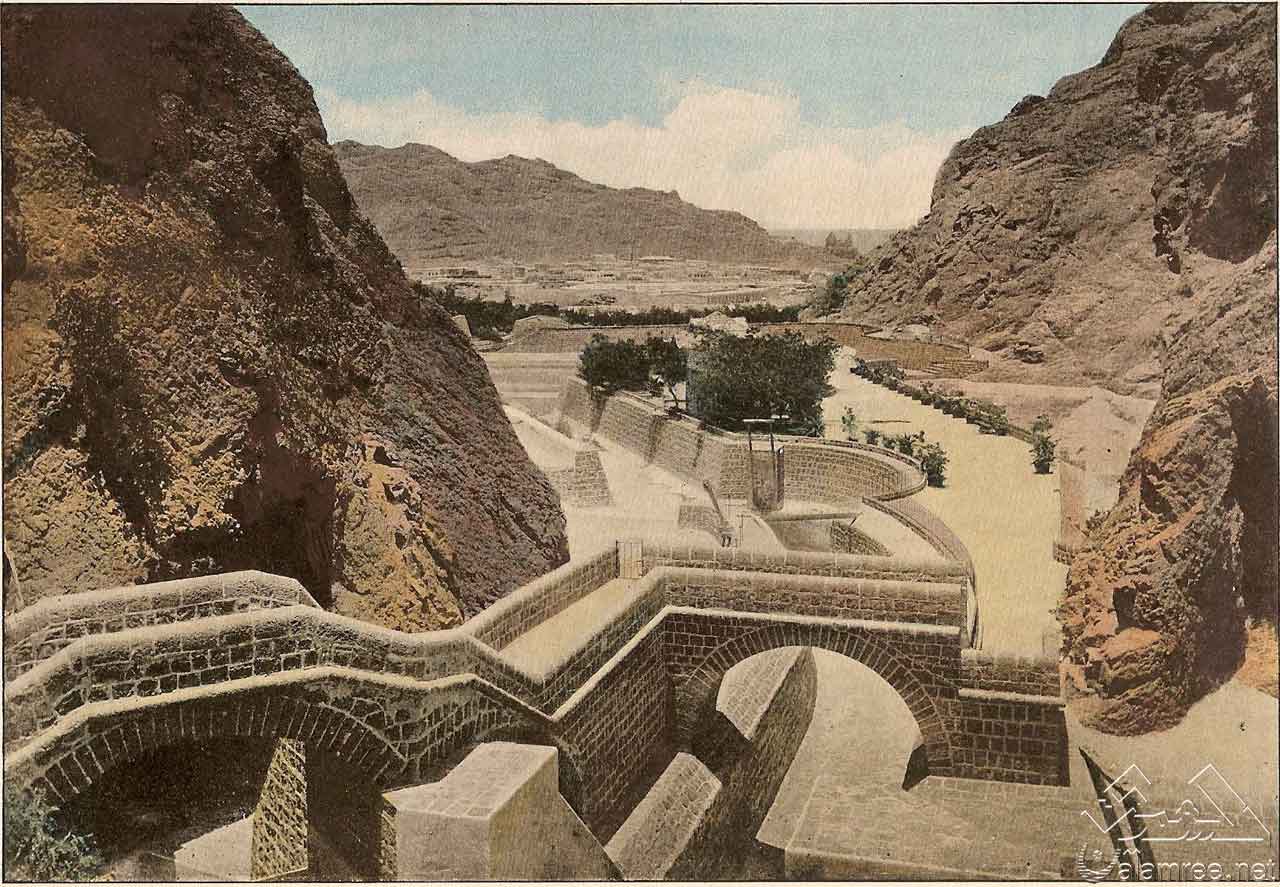
Cisterns of Tawila
Ancient cisterns hewn from volcanic rock.

Seiyun Palace
Large mud-brick palace in Yemen.
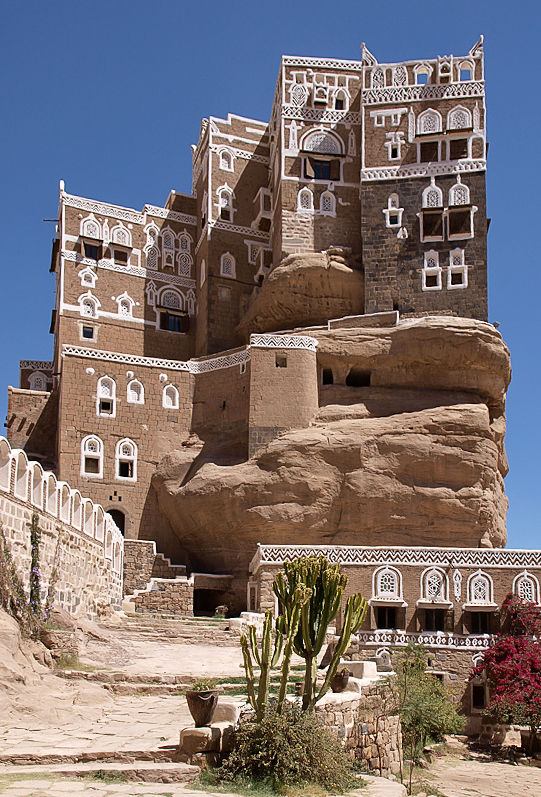
Shibam
Ancient mudbrick skyscraper city in Yemen.
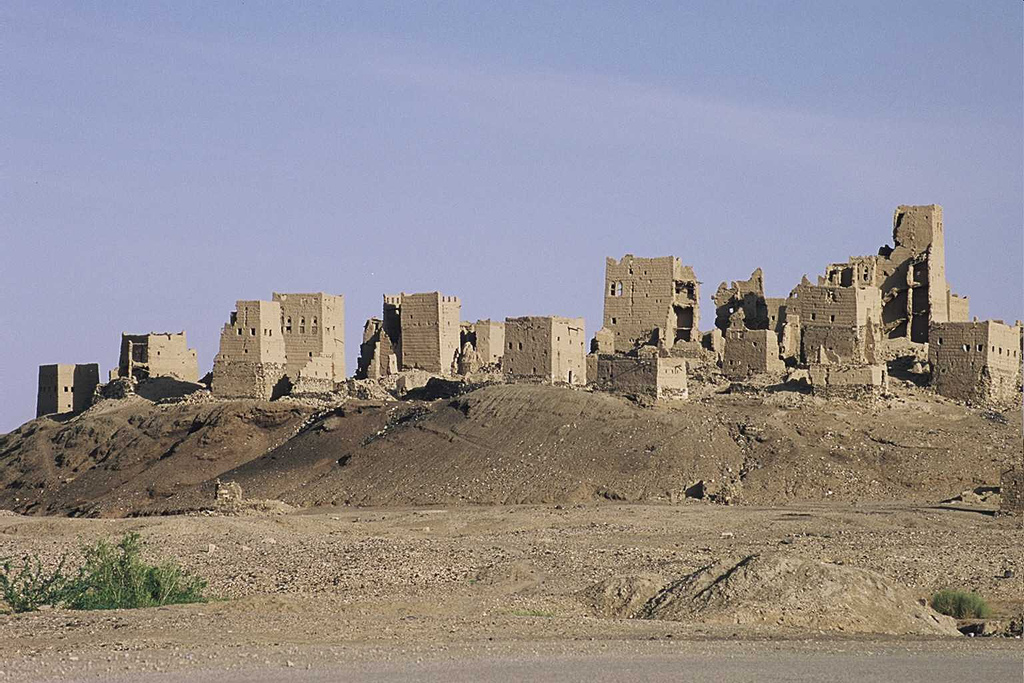
Baraqish
Ancient fortified city with temples and walls.